Why Choose a Pneumatic Operated Valve?
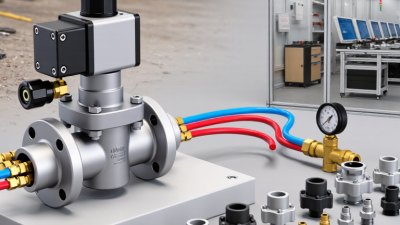
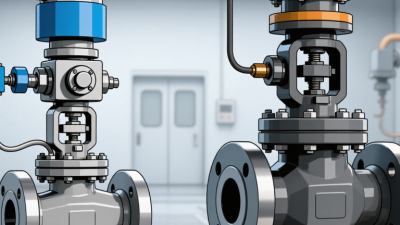
A pneumatic operated valve converts compressed-air pressure into controlled movement. In a plant, that movement may turn a quarter-turn ball valve or shift a linear stem. The choice can be practical. Air lines are already available in many facilities, and pneumatic actuators can respond quickly to a control signal. Their simple motion is useful. So is their ability to move to a selected position when air supply is lost, if the actuator and system are designed for that response.
As [verified pneumatic-valve expert’s name] explains, “[insert a quotation verified against a reliable published source].” A sourced expert statement can add useful perspective, but it should not be invented or presented without verification. That matters because “pneumatic operated valve” covers different actuator styles, valve bodies, and operating conditions. A compact actuator in a clean water line faces different demands from one handling hot process fluid. Pressure, temperature, cycle frequency, air quality, and required failure position all affect selection.
The benefits are real, but not automatic. Compressed air needs piping, preparation, and maintenance. Leaks can reduce performance, and a poorly sized actuator may struggle against valve torque. A small detail matters: check the available air pressure at the actuator, not only at the compressor. This guide looks at where pneumatic operation fits, what it does well, and where another actuation method may be a better choice. It also leaves room for a useful question: is the simplest option really the best one for this installation?
How a Pneumatic Operated Valve Works
Why Choose a Pneumatic Operated Valve?
How a Pneumatic Operated Valve Works
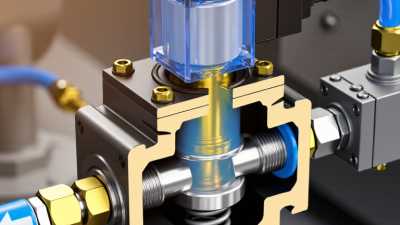
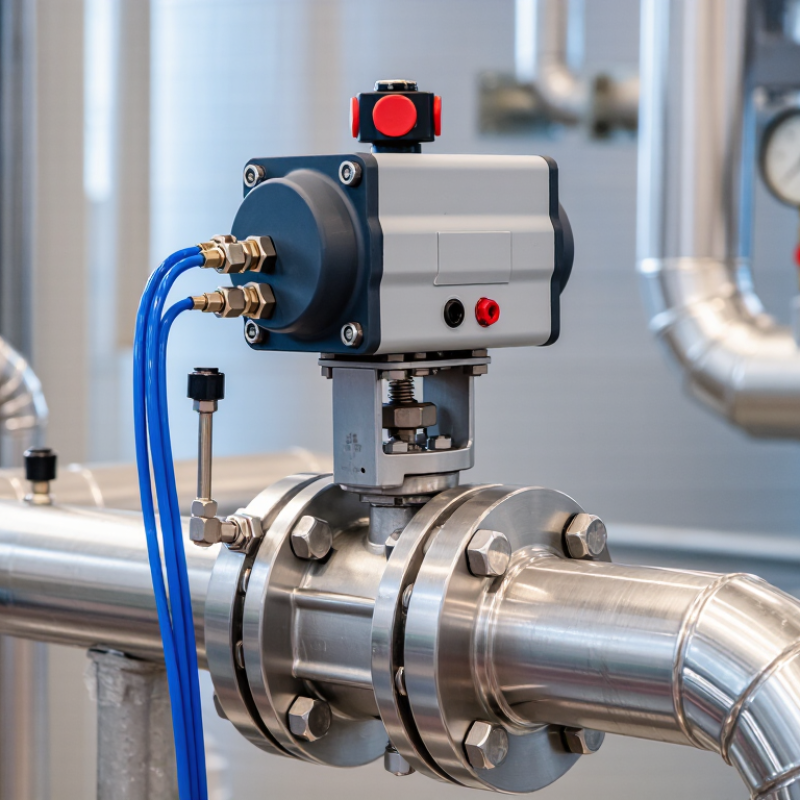
A pneumatic operated valve uses compressed air to move an actuator, which shifts the valve’s internal closure element. Air enters through a port and acts on a piston or diaphragm. That movement travels through a stem or linkage to open, close, or position the valve. Simple in principle.
For a quarter-turn valve, the actuator usually rotates the stem by 90 degrees. A linear valve pushes or lifts the stem instead. A solenoid valve may direct air when an electrical control signal arrives. A positioner can adjust air pressure to match the requested opening. The details matter. Supply pressure, tubing size, and actuator sizing affect response. An undersized setup may move slowly or fail to reach its full stroke.
Some actuators use a spring to return the valve when air is lost. Others need air for both directions. The arrangement determines the valve’s fallback position, but it cannot guarantee predictable behavior in every failure. Check the design against the process, then test it under realistic conditions. A bench check helps, but real piping adds friction, vibration, and pressure changes. Diagrams can look tidy. Installations are less so.
Benefits of Pneumatic Valve Operation
Why Choose a Pneumatic Operated Valve?
Benefits of Pneumatic Valve Operation
Pneumatic valve operation uses compressed air to move an actuator and open or close a valve. In a process line, that motion can be quick and repeatable, making it useful when operators need frequent changes in flow. A control signal can also coordinate several valves without requiring someone to turn each handle by hand. That matters.
Pneumatic actuators are often compact and can suit installations where electrical equipment needs careful separation from the process area. Their response and available force depend on actuator size, air pressure, valve design, and operating conditions. Some spring-return models move to a selected position when air is lost; double-acting models generally need air for both directions. The setup matters.
Reliable operation still depends on clean, dry air and correctly sized supply lines. Moisture, debris, or pressure drops can cause slow movement or unreliable positioning. Air systems also consume energy, and leaks can be easy to overlook. Not always a simple choice. A pneumatic valve may be practical, but it is worth checking the required response time, failure position, maintenance access, and air supply before selecting one.
Common Applications Across Industries
Why Choose a Pneumatic Operated Valve? Common Applications Across Industries
Pneumatic operated valves use compressed air to move a valve stem or actuator. Their quick response makes them useful where processes need frequent, repeatable flow control. In water treatment plants, they can direct water through filtration lines or isolate a pipe during maintenance. Operators should check air pressure and actuator sizing; low pressure can prevent a valve from reaching its intended position. Small details matter.
Food and beverage facilities often use pneumatic valves to control water, steam, or product flow around tanks and filling lines. In chemical processing, they can manage compatible fluids in enclosed pipework, where remote operation may reduce routine operator exposure. Materials and seals must suit the specific fluid, temperature, and cleaning method. “Stainless steel” alone does not guarantee compatibility.
Pneumatic actuation is also common in power generation, pulp and paper, and manufacturing systems. A valve may open or close a cooling-water line, control air to production equipment, or isolate a section during a process change. These systems depend on a reliable compressed-air supply, and that dependency is easy to overlook. Plant teams should verify the required fail position and consider what happens if air pressure is lost. No actuator suits every installation.
Factors to Consider When Choosing a Pneumatic Operated Valve
A pneumatic operated valve can suit installations that need quick, repeatable movement and straightforward remote control. The right choice depends on more than pipe size. Confirm the fluid, operating pressure, temperature range, and expected flow before comparing valve designs. Check that the valve body and seals are compatible with the process fluid. Small details matter.
Next, match the actuator to the valve’s torque requirements at the lowest available air pressure. A valve that works on a test bench may struggle when pressure drops or the fluid becomes thicker. Decide whether the valve should fail open, fail closed, or remain in place if air supply is lost. That choice affects both actuator selection and plant safety. Think it through.
Also consider cycle frequency, control method, available instrument air, and the installation environment. Dust, moisture, vibration, and limited access can change maintenance needs. Clean, dry air helps reduce wear, but filters and regulators still require inspection. If the valve will modulate flow rather than simply open and close, confirm that its design supports stable control. Sizing is easy to underestimate; an oversized valve can make precise adjustment difficult. When specifications are uncertain, verify them with operating data instead of relying on assumptions.