China Best Pneumatic Operated Valve Suppliers?

China is a major sourcing base for industrial flow-control equipment, but choosing a supplier takes more than comparing catalog prices. Buyers need to check valve materials, actuator performance, testing procedures, lead times, and after-sales support. A low quote can look attractive. It may not tell the whole story.

MarketsandMarkets estimated the global industrial valves market at USD 76.2 billion in 2023 and projected it to reach USD 94.2 billion by 2028. This figure covers industrial valves broadly, not pneumatic operated valve products alone. Still, it signals the scale of demand across process industries. For buyers comparing China best pneumatic operated valve suppliers, the useful question is not simply who offers the lowest price, but who can document product suitability and consistent quality.

A capable supplier should explain how its valve and actuator are matched to the application, including operating pressure, media, temperature, and required cycling frequency. Ask for relevant test records, material specifications, and clear warranty terms. Where possible, review the factory’s quality controls and inspect a sample before placing a large order. Details matter: a readable nameplate, clean machining, and accessible replacement parts can save time later. No supplier is perfect. This guide examines the evidence buyers can use to compare manufacturers, while recognizing that the best choice depends on the operating conditions and support available for each project.
China Best Pneumatic Operated Valve Suppliers?

What Pneumatically Operated Valves Are and How They Work

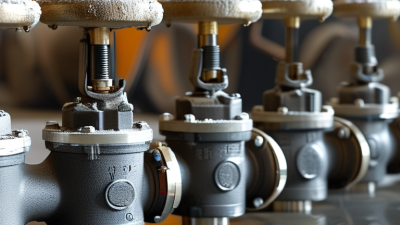
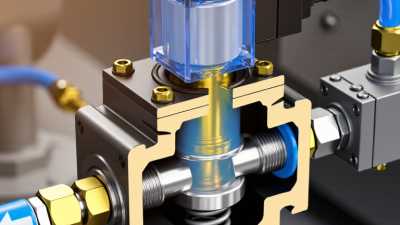
A pneumatically operated valve uses compressed air to move an actuator, which opens, closes, or positions the valve. The actuator may move a stem in a straight line or rotate a quarter-turn shaft. Inside a typical actuator, air pressure pushes a piston or flexible diaphragm. A solenoid valve often directs the air, while an instrument signal can regulate position. The basic idea is simple. The details matter.

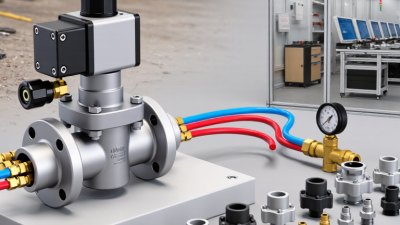
Some actuators use a spring to return the valve when air pressure is lost; others use air to drive movement in both directions. The intended safe position depends on the process and actuator design. At a plant, technicians may check the air gauge, listen for leaks, and watch the valve indicator during a test. A sticky response can come from moisture, dirty air, worn seals, or a mechanical issue. Air quality matters. So does correct sizing: an undersized actuator may struggle against process pressure, while a larger one can add cost and consume more air. These checks help, but they do not replace the manufacturer’s operating data or a qualified assessment.

Common Types of Pneumatic Operated Valves

Common pneumatic operated valves fall into two groups: air-distribution valves and process valves with pneumatic actuators. Directional valves are often labeled 3/2, 5/2, or 5/3 by their ports and positions. A 3/2 valve commonly operates a single-acting cylinder; a 5/2 valve switches air to a double-acting cylinder. A 5/3 model adds a center position, but its behavior depends on the spool design.

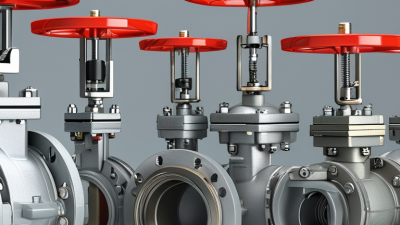
For pipes, pneumatic actuators commonly turn ball or butterfly valves, while linear actuators can operate globe or gate valves. Spring-return designs move to a preset position when air is lost; double-acting designs use air for both directions. That matters. Check the required failure position, air pressure, connection size, and cycle rate before specifying a valve. A mismatch may cause slow response or unreliable shutoff.

Compressed air also has an energy cost. The U.S. Department of Energy’s industry sourcebook, Improving Compressed Air System Performance, estimates that compressed-air systems use about 10% of industrial electricity, with higher shares at some facilities. This makes leakage and unnecessary cycling worth checking. Not always. A simple on/off valve may suit a clean, frequent-duty application, but contamination, moisture, and switching frequency can change the choice. Real operating conditions deserve more weight than a catalog description.

How to read this chart: In valve designations such as 3/2 and 5/2, the first number indicates the number of ports and the second indicates the number of switching positions. The chart compares these configuration counts; it does not indicate supplier performance or market share.

Industries and Applications for Pneumatic Valve Systems

Pneumatic valve systems direct compressed air to control cylinders, actuators, and process equipment. In automotive plants, they move fixtures along assembly lines and operate clamps beside welding stations. Food-packaging facilities use valves to sort containers, fill products, and seal bags. The work is quick. But speed alone is not enough; consistent air pressure and suitable valve materials matter around washdown areas.

In water-treatment plants, pneumatic valves can regulate airflow and operate isolation points where electric power is inconvenient. Chemical processing sites may use them to control fluid flow, provided valve materials match the process and operating conditions. Dusty workshops and bulk-handling facilities also rely on pneumatic actuation for gates and diverters. A clogged filter or leaking hose can slow the whole line. Small details matter.

Choosing a supplier means asking for more than a catalogue. Check operating pressure, response time, connection size, seal compatibility, and availability of maintenance parts. Ask how the valve performs under frequent cycling, not just in a clean test environment. A specification can look perfect on paper. Real installations are messier, and I would not assume one valve suits every application. Regular inspection of air filters, tubing, and fittings helps reveal problems before production stops.

How to Assess Pneumatic Valve Suppliers in China

China Best Pneumatic Operated Valve Suppliers?

How to Assess Pneumatic Valve Suppliers in China

Supplier assessment should start with evidence, not a polished catalogue. MarketsandMarkets estimated the global industrial valve market at USD 76.2 billion in 2023 and forecast USD 100.8 billion by 2028. This broad market figure is useful context, not proof of pneumatic-valve quality. Ask suppliers for material certificates, machining records, and serial-numbered test reports. Check that the stated pressure and temperature range matches your application.

Test a sample valve with its intended actuator. Record supply pressure, switching time, cycle count, and leakage. The U.S. Department of Energy’s Improving Compressed Air System Performance guide reports that leaks can waste 20–30% of compressor output. Seal integrity and repeatable testing therefore matter in daily operation. Ask how failures are logged, and review an actual corrective-action case. Small details count.

During a factory audit, trace one valve from incoming material to final testing. Check gauge calibration, batch traceability, and how rejected parts are handled. Request references for similar operating conditions, plus clear spare-part and service response times. ISO 5211 interface information can help verify actuator mounting, but it does not certify valve performance. A factory visit has limits; one tidy production day cannot represent every shift. Treat a neat audit as useful, but incomplete, evidence.

Leading Chinese Suppliers and Their Key Capabilities

China’s pneumatic-operated valve suppliers range from focused workshops to integrated manufacturers. Strong suppliers connect valve design, actuator sizing, and control accessories in one engineering process. They can explain how air pressure, fluid type, temperature, and operating cycles affect valve selection. Small details matter.

Look for practical options in body materials, seal compounds, connection standards, and actuator configurations. Ask how each valve is tested. A reliable factory should be able to describe shell-pressure checks, seat-leakage tests, and actuator stroke testing, then provide relevant inspection records. Clear drawings and traceable part information also help maintenance teams identify the correct replacement later. Drawings alone are insufficient.

Capabilities vary, so verify them against your actual application. Request a sample, review dimensional drawings, and confirm lead times for both standard and customized assemblies. A polished catalogue proves little. I would still ask how the supplier handles a failed test or an unexpected material delay; that answer can reveal more than a sales presentation. Some suppliers may not control every component in-house, and that is worth clarifying before placing an order.

China Best Pneumatic Operated Valve Suppliers? - Leading Chinese Suppliers and Their Key Capabilities

The table below compares common supplier capability profiles in China’s pneumatic-valve market. It does not rank or identify individual companies; actual specifications and certifications should be confirmed with each supplier.

Supplier capability profile Typical valve products Pneumatic actuation options Common materials and connections Typical applications What to verify before ordering
Ball-valve and actuator package supplier Pneumatically operated quarter-turn ball valves; commonly offered in two-piece or three-piece body designs. Double-acting or spring-return rack-and-pinion actuators; solenoid valves and position indicators may be supplied as accessories. Common body options include stainless steel and carbon steel; end connections may include threaded, flanged, or welded designs, depending on the model. General process isolation, water treatment, utilities, and selected chemical-service duties when materials and seals are correctly specified. Confirm bore, pressure-temperature rating, seat and seal material, leakage requirements, actuator torque margin, and whether the quoted assembly includes accessories.
Butterfly-valve and actuator package supplier Pneumatically operated concentric or other specified butterfly-valve designs for on-off service and, where suitable, control duties. Quarter-turn actuators, usually double-acting or spring-return; actuator sizing depends on valve size, differential pressure, and seat design. Body materials and liner or disc options vary by design; wafer, lug, and flanged patterns are common connection styles. Water and wastewater systems, HVAC, bulk handling, and compatible low- or moderate-pressure process services. Check face-to-face dimensions, flange compatibility, liner compatibility, operating differential pressure, and whether the valve is intended for throttling or shutoff.
Process-control valve integrator Control-valve assemblies configured for modulating flow, potentially including a valve body, pneumatic actuator, positioner, and accessories. Pneumatic diaphragm or piston actuation may be offered; positioners convert a control signal into actuator movement, subject to the selected instrumentation. Body, trim, packing, and connection choices depend on fluid conditions and the control-valve design; flanged connections are common in process installations. Flow, pressure, or temperature control in process plants when the selected valve is properly sized for the operating conditions. Request sizing calculations and confirm flow characteristics, shutoff class, instrument signal, air supply, noise or cavitation considerations, and material suitability.
Sanitary-valve system supplier Pneumatically actuated sanitary ball, butterfly, or other hygienic valve designs, depending on the supplier’s product range. Actuators may be paired with limit switches or control accessories; cleanability depends on the valve construction and installation. Product-contact surfaces are commonly specified in stainless steel; hygienic clamp and other sanitary connections may be available. Food, beverage, and pharmaceutical processes where hygienic design, cleaning method, and applicable regulatory requirements are defined. Verify surface-finish claims, elastomer compatibility, drainability, cleaning-in-place requirements, traceability, and the exact scope of any hygienic certification.
Custom-engineered valve and actuator assembler Assemblies configured to a customer’s valve type, connection, control, and accessory requirements; capabilities differ by manufacturer. May configure spring-return or double-acting actuators and add solenoid valves, position indicators, limit switches, or positioners as specified. Material, connection, and accessory choices should be defined in the datasheet and purchase specification rather than assumed from a general catalogue. Projects requiring a packaged assembly, special interfaces, or coordinated valve-and-instrumentation supply. Confirm interface dimensions, actuator mounting, air pressure, fail action, wiring or pneumatic diagrams, inspection documents, and responsibility for final assembly testing.

Standards and procurement note: ISO 5211 specifies a mounting interface for part-turn actuators; it does not by itself certify valve performance. VDI/VDE 3845 (NAMUR) covers interfaces for accessories on process-control actuators. ISO 9001 certification concerns a quality-management system and is not a product approval. Ask suppliers for current, verifiable certificates and model-specific test documentation.

Scroll to Top