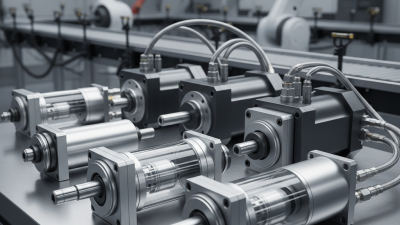
Top 10 Pneumatic Operated Valve Manufacturers Worldwide
Pneumatic operated valves convert compressed-air signals into mechanical movement, helping control flow in water treatment, food processing, chemical plants, and manufacturing lines. Their appeal is practical: they can cycle quickly, integrate with automation, and operate where electric actuation may be less suitable. Still, performance depends on correct sizing, air quality, pressure limits, materials, and the process fluid. Small details matter.
This guide introduces ten pneumatic operated valve manufacturers with broad international visibility and varied product portfolios. It considers factors buyers can verify, including valve types, actuator options, published specifications, certifications, service support, and technical documentation. A stainless-steel body may suit a washdown area, while a compact solenoid-controlled assembly may fit a crowded machine panel. Neither choice is universally better. Buyers should compare operating pressure, temperature range, connection standards, cycle requirements, and maintenance access against the actual duty. Manufacturer rankings can shift by region, industry, and project scale, so this overview is a starting point rather than a substitute for engineering review. Product catalogs do not always reveal how a valve will perform in a specific installation. That uncertainty deserves attention. By examining established suppliers and the evidence they provide, readers can build a more informed shortlist and ask sharper questions before specifying or purchasing equipment.
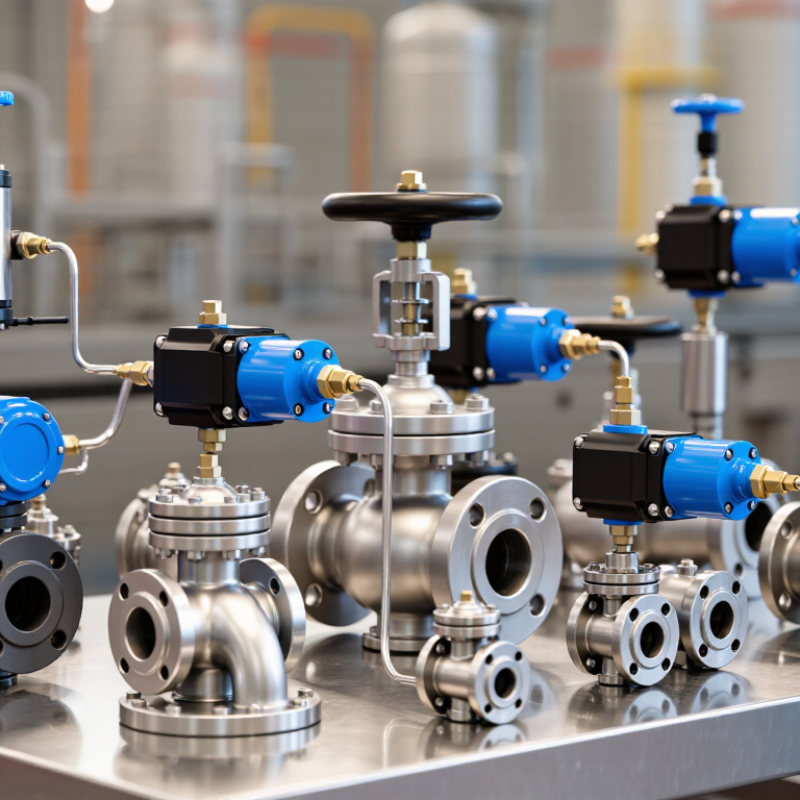
Pneumatic Valve Basics: How Compressed Air Drives Valve Operation
Top 10 Pneumatic Operated Valve Manufacturers Worldwide
Pneumatic Valve Basics: How Compressed Air Drives Valve Operation
A pneumatic valve directs compressed air through internal passages to control a machine’s movement. When pilot air enters the control port, it shifts a spool or lifts a poppet. That change connects the supply port to an actuator, while another passage releases exhaust air.
Small movement, major effect.
A 3/2 valve often controls a single-acting actuator; a 5/2 valve can drive a double-acting cylinder in both directions. Spring-return designs reset when control pressure disappears. Still, the exact response depends on pressure, flow capacity, and actuator load.
Air quality matters as much as valve design. Water droplets or debris can slow a spool, wear seals, or cause inconsistent motion. A filter, regulator, and correctly sized tubing help keep operation predictable. The U.S. Department of Energy’s Improving Compressed Air System Performance sourcebook estimates that compressed-air systems use about 10% of electricity in U.S. industry, though the share varies by facility. That makes leaks and poor pressure settings more than minor maintenance issues. In practice, a tidy diagram can hide messy conditions: long air lines, frequent cycling, and undersized fittings all affect performance. Measure pressure at the valve, not only at the compressor. It is an easy detail to miss.
Typical Supply Pressure: 4–8 bar and Its Role in Actuator Sizing
A typical pneumatic supply pressure of 4–8 bar is a useful starting point, not a guaranteed operating condition. The pressure available at the actuator may fall when other equipment uses air or long tubing restricts flow. Size against the lowest pressure expected at the actuator inlet, rather than the compressor’s headline setting. Start with the valve’s required torque, then account for seat friction, process conditions, and the selected fail position. Small details matter.
An actuator must deliver adequate torque at minimum supply pressure, including a suitable design margin. At the low end of the range, a model that works at 8 bar may struggle at 4 bar. Check the actuator’s torque data across its full stroke, and confirm whether figures apply to spring-return or double-acting operation. Air consumption and response time also affect regulator and tubing choices. Commissioning readings can reveal pressure drops that drawings miss. Real lines vary. A sizing sheet is only as reliable as its assumptions; actual pressure measurements may expose gaps, so record them under realistic operating demand.
Industry Standards: ISO 5211 Mounting and ISO 8573-1 Air Purity Classes
ISO 5211 mounting gives pneumatic actuators and valves a defined mechanical interface. It specifies mounting dimensions, including flange patterns and drive connections. This helps engineers compare equipment without relying on a brand name. Fit matters.
A matching flange does not guarantee a suitable assembly. Check the valve stem shape, actuator torque, and available space around the mounting point. A compact actuator may fit the flange but lack the force needed to turn a stiff valve. Installation teams should verify dimensions against drawings and inspect the assembled connection. Small alignment errors can cause wear over time.
ISO 8573-1 classifies compressed-air contaminants: particles, water, and oil. Each contaminant has its own class, so a single class number does not describe every aspect of air quality. Pneumatic valve suppliers may specify different limits for different actuators. Follow the equipment requirements, then check the air preparation system. A damp airline can leave water in a filter bowl, while oil or particles may affect seals and moving parts. Air quality matters. Regularly inspect drains and filters, and record any changes in pressure or moisture. The specified class is a useful target, but operating conditions still deserve review.
Top 10 Worldwide Manufacturers: Product Portfolios and Key Applications
Worldwide pneumatic-operated valve manufacturers serve process plants, water systems, power facilities, and factory automation. Their portfolios often include ball, butterfly, diaphragm, and globe valves, paired with spring-return or double-acting pneumatic actuators. Many also offer solenoid valves, positioners, limit switches, and air-preparation accessories. These components help operators match valve movement to control signals and site conditions. Fit matters.
Applications differ by fluid, pressure, temperature, and required shutoff performance. Ball valves commonly handle on-off duties in utility and process lines. Butterfly valves suit larger pipelines where compact installation matters. Diaphragm designs can be useful with corrosive or particle-bearing fluids, while globe valves support more controlled flow adjustment. These are practical patterns, not universal rules; actual service conditions can change the choice.
When comparing ten leading suppliers, buyers can review material options, actuator torque ranges, control accessories, documentation, and regional technical support. A clear portfolio is valuable, but breadth alone does not prove suitability. Check pressure ratings and compatibility against the real operating range, then confirm details with engineering staff. Datasheets sometimes leave gaps, and that deserves a second look. Routine air-quality checks and actuator testing also help maintain reliable operation.
Pneumatic Operated Valves: Product Portfolios and Key Applications
Common automated valve families serve multiple industries. The chart shows how many of the six valve families listed below are commonly used in each application area.
How to read: Values count applicable valve families in this general industry mapping, not manufacturers, market share, or sales. Typical families include ball, butterfly, gate, globe, diaphragm, and control valves; plug and pinch valves are also common in selected services. Pneumatic actuation is used where fast, reliable remote operation is required, including process plants, water systems, power facilities, and hygienic production lines. Suitability depends on process conditions, materials, and applicable standards.
Comparing Manufacturers by Valve Types, Torque Ratings, and Global Reach
A useful comparison of pneumatic operated valve manufacturers starts with valve type, not catalogue size. Ball valves often suit tight shutoff and quarter-turn service, while butterfly valves can reduce weight in larger pipelines. Plug valves may handle demanding flow conditions, and diaphragm designs serve applications where process isolation matters. Different jobs, different trade-offs. Buyers should check body materials, sealing options, and the stated operating conditions rather than relying on a type label alone.
Torque ratings need careful reading. A rotary valve may require more torque during breakaway than during steady movement, especially after sitting idle. Ask whether published figures include safety margins and whether they cover the full pressure range. Pneumatic supply pressure, actuator size, and spring-return action can change the selection. Linear valves use thrust ratings instead, so direct torque comparisons can be misleading. Small detail, big consequence.
Global reach is more than a map of sales offices. It can mean regional stock, qualified service technicians, clear documentation, and realistic lead times for replacement parts. These factors matter when a valve fails in a remote plant or a production line cannot wait. Comparing manufacturers on these points is useful, but not perfectly tidy: service quality can vary by region, even within one network. Verify support for the actual installation site and operating environment.