A pneumatic solenoid valve converts an electrical signal into controlled airflow. In a packaging line, that signal might route compressed air to extend a cylinder, pause its motion, or send it back. The action can happen quickly. But speed alone does not make a valve the right choice.
Choosing one means matching its specifications to the machine and the air supply. Port size, operating pressure, flow capacity, voltage, and duty cycle all matter. So does the valve’s normal state when power is removed. A mismatch may cause sluggish cylinder movement, excess noise, or unwanted cycling. Small details count.
In practical selection work, I would also check air quality, mounting space, connector access, and how easily the valve can be replaced. A compact unit may fit neatly in a panel, yet restrict airflow for a larger actuator. That trade-off is easy to miss on a parts list. Very easy.
A pneumatic solenoid valve is often a dependable option when a system needs repeatable, electrically controlled air routing. It can simplify automation and reduce manual switching, but it does not solve every control problem. The right choice depends on the application, not just the catalog description. Even careful sizing deserves a second look. This guide explores the main benefits, limitations, and selection factors, so buyers and engineers can make a more informed decision.
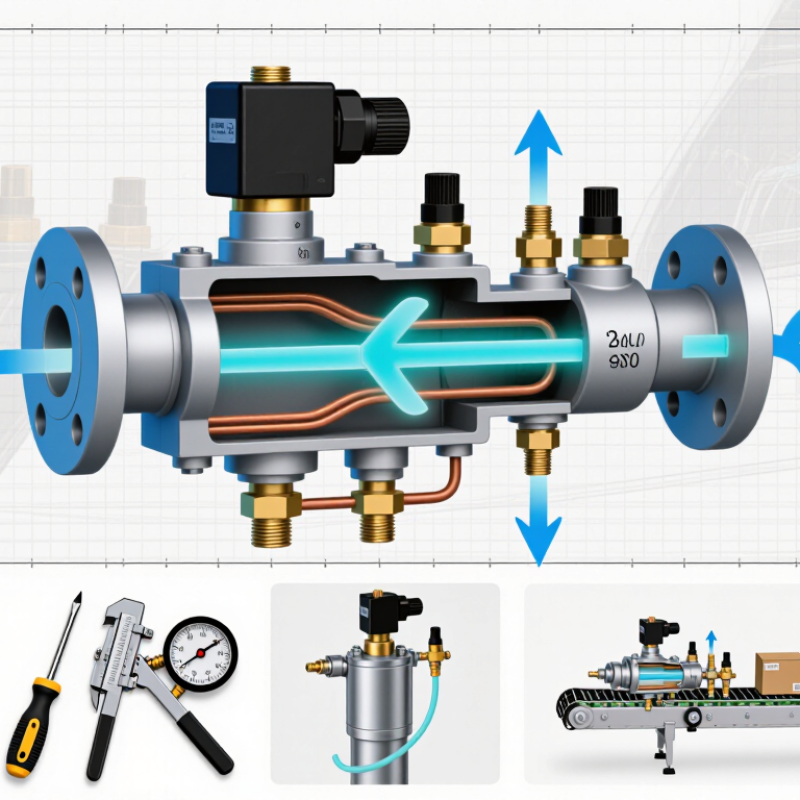
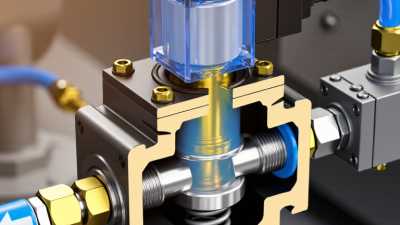
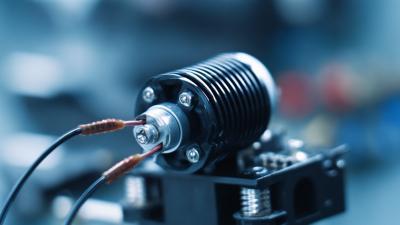
A pneumatic solenoid valve uses an electrical signal to direct compressed air through selected ports. When its coil receives power, a magnetic field moves an internal armature. That movement opens or closes an air passage, sending pressure to a cylinder or releasing air through an exhaust port. The valve does not create pressure. It controls where the supplied air goes.
When power is removed, a spring often returns the valve to its resting position. The exact behavior depends on the valve design, including whether it is direct-acting or pilot-operated. For example, a small valve may switch a compact cylinder, while a larger actuator needs enough flow to move smoothly. A valve can look correctly sized on paper, yet respond slowly in a real system. Tubing length, air quality, and exhaust restrictions matter too.
Tips: Check the valve’s pressure range, flow rating, coil voltage, and port arrangement before installation. Keep compressed air clean and dry, and make sure exhaust paths are not blocked. Test the valve under normal operating conditions; a quick bench check may miss delays that appear in a working machine.
A pneumatic solenoid valve uses an electrical signal to direct compressed air through a system. This allows operators to control cylinders and other air-powered components without manually turning a valve. Response can be quick. In packaging equipment, for example, a short signal can move a cylinder to push a carton into position. Repeatable switching also helps keep machine movements consistent across production cycles.
Many models are compact, so they fit neatly into control panels or near actuators. They can simplify automated layouts by allowing remote control from a controller. Pneumatic systems are often valued for straightforward installation and service, too. Still, performance depends on suitable air pressure, clean air, and correct valve sizing. A valve that is too small may restrict flow, while moisture or debris can cause unreliable operation. The default position also varies by design, so check what happens when power is lost. No valve is perfect.
Tips: Confirm the required pressure, flow rate, voltage, and duty cycle before selecting a valve. Keep filters maintained, and test the full air circuit under its normal load—not just on the workbench.
In packaging lines, pneumatic solenoid valves direct air to cylinders that push cartons, clamp film, or divert rejected units. At assembly stations, they operate fixture clamps and pick-and-place actuators, helping keep repetitive tasks moving. Fast response matters. Water-treatment plants may use them to control air-operated process valves, while material-handling systems use them for conveying and dust-control equipment.
The right valve depends on working pressure, flow capacity, response time, and the actuator’s air demand. The U.S. Department of Energy’s Improving Compressed Air System Performance: A Sourcebook for Industry reports that compressed air can account for about 10% of manufacturing electricity use, and up to 30% at some facilities. That makes leaks, pressure drops, and unnecessary cycling worth checking. A valve cannot fix poor pipe layout, though it can influence how reliably an actuator receives air. Maintenance teams should also verify coil voltage, duty cycle, port size, and air cleanliness. Wet or dirty air can cause sticking. Not always obvious. A practical installation review should include the valve’s manual override and access for replacement, since cramped panels make routine service harder.
| Industrial Application | Typical Valve Function | Why It Is Suitable | Practical Considerations |
|---|---|---|---|
| Packaging and bottling | Directs compressed air to cylinders used for pushing, clamping, sorting, or opening and closing machine components. | Electrical control allows quick, repeatable switching that can be coordinated with sensors and machine controllers. | Choose a valve flow capacity and response time appropriate to the actuator and cycle rate; protect the air supply with suitable filtration. |
| Material handling and conveying | Controls pneumatic actuators, air jets, diverter gates, and other air-powered mechanisms. | Valves can switch air at multiple points in an automated line without requiring each actuator to have a separate electrical drive. | Confirm the required port size, operating pressure, and valve configuration, such as 3/2 or 5/2, for the actuator arrangement. |
| Automotive and general assembly | Operates pneumatic clamps, grippers, presses, and positioning devices. | Solenoid control integrates readily with programmable logic controllers and supports repeatable machine sequences. | Use appropriate guarding and safety controls. A standard solenoid valve should not be assumed to provide a safety-rated function. |
| Robotics and pick-and-place systems | Switches air to grippers, vacuum ejectors, or compact pneumatic actuators. | Compact valve arrangements can help reduce tubing runs and support fast, electrically commanded operations. | Check switching frequency, flow requirements, exhaust routing, and the effect of tubing length on actuator response. |
| Food and beverage equipment | Controls pneumatic motion in packaging, filling, and handling machinery. | The valve controls compressed air rather than applying electrical motion directly at the actuator, which can be useful in automated equipment layouts. | Select materials and enclosure protection suitable for the installation and cleaning environment; the valve itself is not automatically hygienic or washdown-rated. |
| Dust collection and air-pulse cleaning | Releases short bursts of compressed air to clean filter elements in pulse-jet systems. | Electrical switching can coordinate pulse timing across multiple valves in a dust-collection system. | Verify the valve is designed for the required pulse service, air volume, pressure, and duty cycle. |
| HVAC and building equipment | Controls pneumatic actuators or air circuits in compatible dampers and equipment. | Provides an electrically controlled way to route or shut off air in systems using pneumatic actuation. | Confirm that the valve is intended for the specific air circuit and ambient conditions; it is not a substitute for a valve designed to control liquid or refrigerant. |
| General machine automation | Starts, stops, or redirects compressed air to single- or double-acting actuators. | Offers a straightforward interface between an electrical control signal and a pneumatic function, often with simple installation and maintenance. | Check voltage, pressure range, flow capacity, port connections, air quality, and whether the required state on power loss is normally open, normally closed, or another configuration. |
Selection note: Pneumatic solenoid valves control the flow of compressed air. Confirm compatibility with the application, actuator, air supply, electrical controls, and required safety measures before selection.
Choosing a pneumatic solenoid valve starts with the system’s actual operating conditions, not just its pipe size. Identify the air pressure range, required flow, and port connections. A valve with undersized flow capacity may slow a cylinder, even when its ports appear to fit. Check the valve’s flow rating and pressure limits against the equipment’s specifications.
Decide whether the valve should be normally closed or normally open when power is off. Then confirm coil voltage, AC or DC supply, duty cycle, and expected switching frequency.
For pilot-operated models, verify the minimum pressure differential; it may not suit low-pressure systems. Direct-acting designs can work where pressure is limited, but their flow capacity may be lower. Not always a simple trade-off.
Consider air quality, too. Moisture and particles can cause sticking, so filtration and drainage matter. In a dusty workshop, coil protection and mounting position deserve attention. A quick bench test can reveal leaks or slow response, but it cannot replace checking the rated pressure and temperature range.
It is easy to focus on the valve alone and overlook the wiring or exhaust path. That oversight is worth revisiting.
Why Choose a Pneumatic Solenoid Valve?
Pneumatic Solenoid Valves Compared with Other Valve Types
A pneumatic solenoid valve uses an electrical signal to direct compressed air, making remote control quick and repeatable. Compared with a manual valve, it can switch without an operator turning a handle. That helps on equipment with frequent cycles or hard-to-reach air lines. Fast response matters. A solenoid valve also tends to be compact, but it depends on clean, dry air and a suitable power supply.
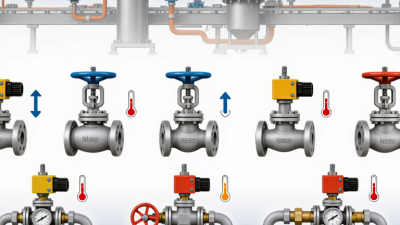
Motorized valves can suit slower processes where gradual adjustment is important. Pneumatic solenoid valves are generally better for simple, rapid on-off control, though they may not provide precise flow regulation. Hydraulic valves handle higher forces and dense loads, but need fluid circuits and more attention to leaks. Pneumatic systems are often simpler to maintain, yet air leaks can waste energy and reduce performance. The right choice depends on pressure, cycle rate, media, and failure behavior—not just purchase price.
Tips: Check the valve’s pressure range, port size, and coil voltage against the actual system. Add air filtration where contamination is likely, and test the valve under operating conditions. A catalog match can still disappoint if the exhaust path is restricted. That detail is easy to miss.
Pneumatic solenoid valves combine an electrical control signal with compressed-air operation. This chart compares the typical actuation and power requirements of common valve types.
A value of 1 means the item is typically required for actuation; 0 means it is not typically required. Actual requirements vary by valve design and application.
Get in Touch
570 Alden Road Unit #10, Markham Ontario Canada, L3R 8N5
Quick Links
Featured Products
Industries