How to Choose a Machine Vision System?

Choosing a machine vision system is no longer a simple camera purchase. It is a production decision involving optics, lighting, sensors, software, computing power, integration, and maintenance. MarketsandMarkets estimated the global machine vision market at approximately USD 14.1 billion in 2024. Its report projects growth to about USD 20.8 billion by 2029. The figures suggest strong demand, but market growth does not guarantee a successful installation.

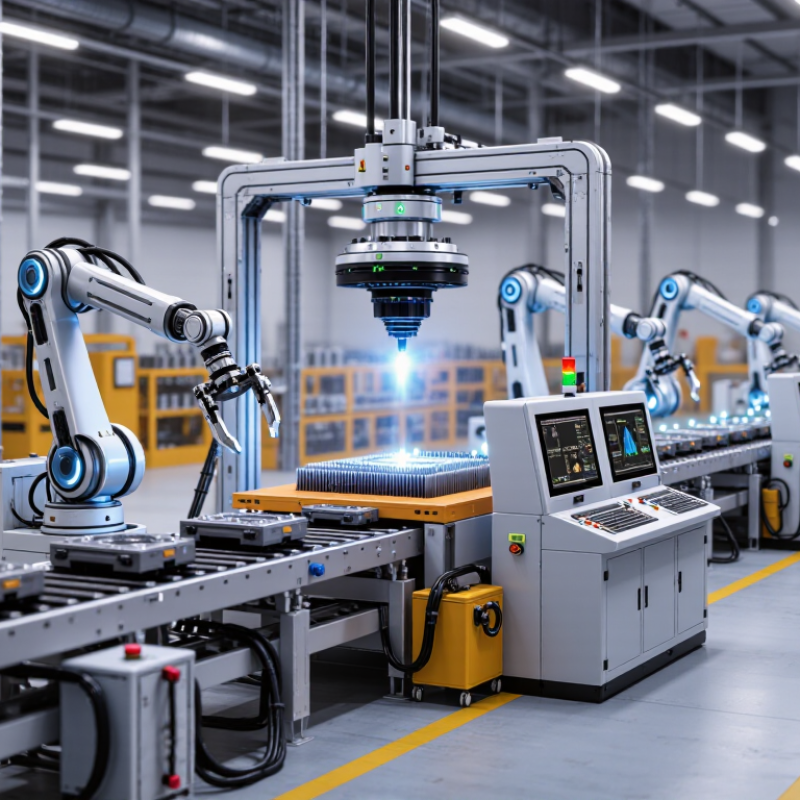
Industrial automation is also expanding. The International Federation of Robotics reported 541,302 industrial robots installed worldwide in 2023. More robots require dependable inspection, guidance, and measurement systems. Yet a faster line can expose weak lighting, unstable fixtures, or poorly defined tolerances. The mistake is common.

Machine-vision expert David Dechow offers a practical warning: “The camera is only one part of the system.” That principle should guide every evaluation. A suitable machine vision system must produce reliable results under real factory conditions, not only during a carefully controlled demonstration. Inspectors should test reflective metal, dust, vibration, changing temperatures, and damaged samples. They should also measure false rejects, missed defects, cycle time, and recovery procedures.

A specification sheet can mislead.

The best choice balances accuracy, speed, total cost, operator skill, and future flexibility. Buyers should request sample testing with production parts and documented acceptance criteria. They should examine image logs, software usability, service response, and integration experience. No system is perfect. A thoughtful selection process simply makes its weaknesses visible before they become expensive production problems.

How to Choose a Machine Vision System?

Define Inspection Goals and Performance Requirements

How to Choose a Machine Vision System?

Define Inspection Goals and Performance Requirements

A reliable vision system begins with a precise inspection goal. Decide what the system must detect, measure, or verify. Examples include missing components, surface scratches, incorrect dimensions, and unreadable markings. Describe each defect with real samples, not assumptions. A clean sample alone can hide production problems.

Set measurable requirements before comparing equipment. Specify inspection speed, field of view, image resolution, lighting conditions, and acceptable error rates. Include the smallest defect that must be detected. If a defect measures 0.2 millimeters, the camera and optics need enough pixels to represent it clearly. Define false rejects and missed defects separately. They affect production differently.

Tips: Test difficult samples early. Use damaged, reflective, dark, and poorly positioned parts. Record results under normal factory conditions. A laboratory image may look excellent, but vibration, dust, and changing light can reduce performance. Keep a small sample library for repeatable testing. It supports fair comparisons and future system adjustments.

Performance requirements should also include response time, data storage, operator access, and maintenance needs. Consider how workers will respond to a failed inspection. Clear alarms and simple evidence images improve reliability. Avoid choosing specifications only because they look impressive. Higher resolution may increase cost without improving the decision. We sometimes discover that the original goal was too broad. Narrowing it can produce a more stable and practical inspection process.

Select the Right Camera, Lens, and Lighting Configuration

How to Choose a Machine Vision System?

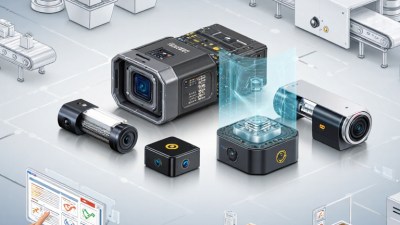
Selecting a camera, lens, and light source should begin with the defect, not the equipment catalog. Define the smallest feature, object speed, inspection distance, and surface finish.

A 0.2-millimeter scratch needs different resolution from a missing label. Monochrome cameras often reveal contrast more consistently. Color cameras help when hue carries inspection information. Global shutter models reduce distortion on moving parts.

Sensor size, pixel size, and exposure time must match the application. More megapixels do not automatically create better images.

The lens must cover the field of view without excessive distortion. A longer working distance can protect the lens from dust and vibration. Lighting controls the image more than many engineers expect.

Backlighting outlines holes and profiles.

Low-angle lighting exposes scratches and raised edges.

Diffuse lighting reduces glare on polished surfaces.

The MarketsandMarkets Machine Vision Market report projects growth from 13.0 billion dollars in 2023 to 20.9 billion dollars by 2028. This expansion reflects broader automation, but it also increases configuration mistakes.

EMVA 1288 provides practical measurements for sensitivity, signal-to-noise ratio, and dynamic range.

Tips: Test three lighting angles using real production samples. Include clean, defective, reflective, and dark parts. Keep exposure below the available cycle time. Measure images, not assumptions.

I have seen a theoretically correct lens fail because a conveyor vibrated slightly. That detail was missed during bench testing.

Recheck focus at operating temperature. A perfect setup on one part may perform poorly after dust, aging, or surface changes.
Evaluate Processing Hardware and Vision Software Features

How to Choose a Machine Vision System?

Choosing a machine vision system begins with its processing hardware and vision software. In production, speed alone is not enough. A processor must handle image resolution, inspection frequency, and communication tasks without unstable delays. A camera may deliver sharp images, yet weak memory capacity can create bottlenecks. That detail is easy to overlook.

I have seen systems pass laboratory tests but slow down beside a busy production line. Measure complete cycle time, not only algorithm speed. Check CPU or GPU performance, memory headroom, storage reliability, and available input-output connections. Thermal behavior also matters. A hot processor may reduce performance during long shifts. Leave room for future image upgrades.

Vision software should provide clear tools for calibration, filtering, pattern inspection, and defect classification. Operators need understandable settings, not hidden parameters. Confirm whether the software supports reusable templates, version control, event logs, and secure user permissions. These features improve traceability and simplify troubleshooting. Test communication with controllers and databases before purchase. A promising interface can still fail during integration.

Use representative samples, including poor lighting, slight position changes, surface marks, and acceptable product variation. Record false rejects and missed defects separately. They reveal different weaknesses. Ask engineers to explain how results are calculated. If the answer is vague, pause the evaluation. I would also repeat tests after several hours, because short demonstrations rarely expose memory leaks, heat problems, or inconsistent timing.

Plan System Integration, Installation, and Operator Use

How to Choose a Machine Vision System?

A reliable vision system begins with the production environment, not the camera specification. Define the inspection task, product speed, surface finish, and acceptable error rate. Then plan how the system will connect with conveyors, sensors, controllers, and production software. Use clear signal timing. A delayed trigger can create false rejects, even when the image looks excellent.

Installation details often decide long-term performance. Mount the camera firmly, and protect it from vibration, dust, heat, and changing light. Position the lighting at a fixed angle, rather than relying on general factory illumination. Leave access for lens cleaning and cable replacement. Confirm network settings and emergency procedures before production starts. The first layout is rarely perfect. A short pilot run may reveal glare, shadows, or an awkward maintenance position.

Tips: Let operators test the interface during commissioning. Buttons should use familiar terms, and alarms should explain the next action. Store sample images for good and defective products. Train users to check focus, lighting, and product positioning before changing inspection settings. Keep calibration records with dates and responsible personnel. Avoid giving every user unrestricted access to critical parameters. Review performance after one week, then again after real production changes. Small improvements matter.

How to Choose a Machine Vision System?

Plan system integration, installation, and operator use before selecting cameras, lighting, optics, and software.

This planning model assigns the highest priority to system integration because camera selection, lighting, optics, software, communication, and production equipment must work together. Installation requires stable mounting, calibration, and environmental protection, while operator use depends on clear interfaces, training, and simple changeover procedures.

Compare Costs, Reliability, Scalability, and Support Options

How to Choose a Machine Vision System?

Compare Costs, Reliability, Scalability, and Support Options

Choosing a machine vision system starts with the production problem, not the camera specification. In real inspections, lighting, vibration, dust, and product variation affect results. I have seen a low-cost setup fail because reflections changed during one afternoon shift. The camera was adequate. The lighting was not.

Compare the full cost, including lenses, lights, software, integration, training, and maintenance. A cheaper system may need frequent manual adjustments. That creates hidden labor costs. Reliability deserves practical testing. Run sample products for several shifts, including defective items and normal variation. Record missed defects, false alarms, restart time, and image consistency. A perfect demonstration proves little.

Think about future expansion. Can the system inspect another product size? Can it connect with existing production controls? Scalable systems often support additional cameras, inspection tools, and data storage without replacing the core equipment. Still, scalability can become expensive when licensing or integration rules are unclear. Ask for written limits.

Support quality matters during night shifts and urgent failures. Check response times, remote assistance, spare-part availability, and technician training. Request references from facilities with similar speeds and environments. Documentation should explain calibration and fault recovery in plain language. Do not rely on impressive promises alone. I would also leave time for operator feedback, because users often notice awkward workflows before engineers do. That feedback may expose flaws in the original plan.

Scroll to Top