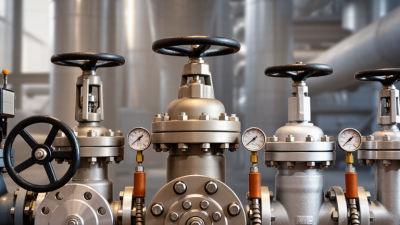
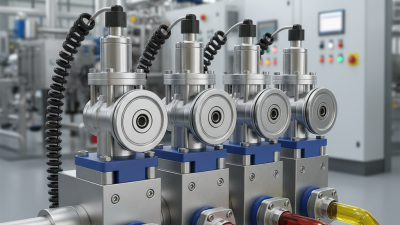
Choosing the right 2 pneumatic valve can look simple: match the port size, connect the air line, and switch the actuator. Real installations are less forgiving. A valve that cycles smoothly on a clean test bench may respond slowly when pressure drops, dust reaches the seals, or a machine runs through repeated shifts. Small details matter.
This guide compares seven options for global buyers, focusing on practical checks: two-way flow control, normally open or normally closed operation, pressure range, seal material, connection type, and available technical support. Look beyond the product photo. Confirm the stated operating conditions, inspect the port markings, and ask how replacement seals and coils can be obtained. A low purchase price is useful only when the valve suits the application and can be maintained.
A useful buying principle is: “Match the valve to the working conditions, not just the catalog description.” No named expert or verified quotation was provided for this draft, so assigning that sentence to a real person would be misleading. That gap deserves attention. Product listings can omit cycle-life data or explain compatibility too briefly; buyers should request documentation before ordering. The comparisons ahead are a starting point, not a substitute for checking the manufacturer’s specifications against the actual system.
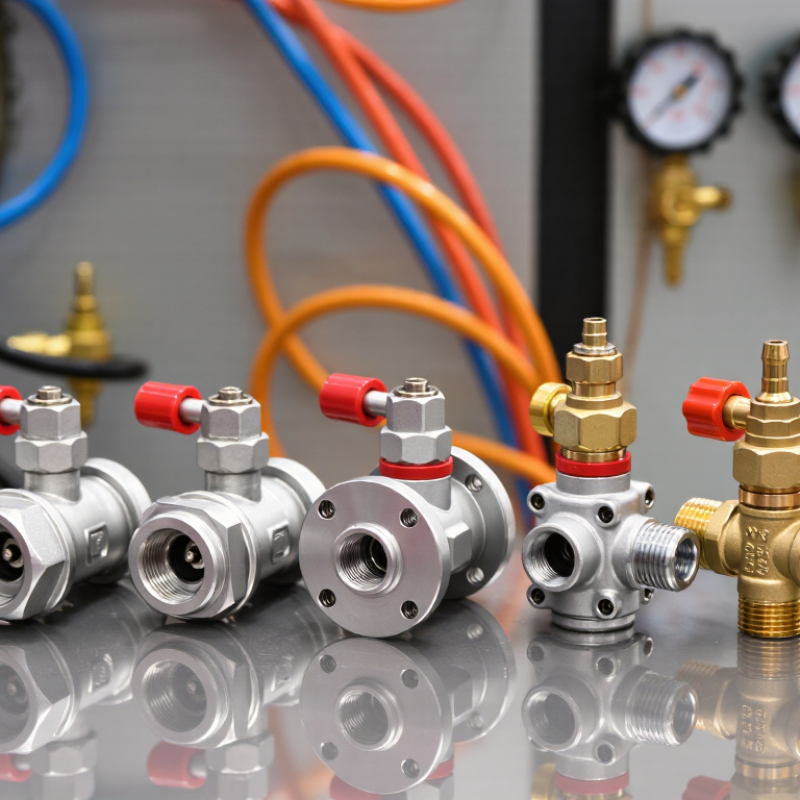
A two-way pneumatic valve, often called a 2/2 valve, has two ports and two operating positions. One port admits air; the other lets it pass downstream. In one position, the passage is open. In the other, it is blocked. Simple in principle.
Inside, a moving poppet or spool shifts against a seat to open or close the path. A spring may return the valve when its pilot signal stops, while another design stays in position until it receives a new signal. The valve can be normally closed or normally open. Those terms describe its state without actuation, not its preferred setting for every machine.
In a packaging line, for example, a 2/2 valve might start airflow to a small cylinder that pushes a carton into place. The cylinder’s speed also depends on pressure, tubing, and flow restrictions. A valve alone cannot guarantee fast motion. Check its pressure range, port size, flow direction, and seal compatibility against the actual air supply and working environment. Small details matter. It is easy to assume that two valves with matching ports will behave alike; they may not. Response time and leakage can differ, and a quick bench test under real operating conditions can reveal issues that a specification sheet does not.
A pneumatic valve directs compressed air to start, stop, or change an actuator’s movement. Its main components include a valve body, internal spool or poppet, seals, and an operating mechanism. That mechanism may be solenoid-driven, manually operated, or air-piloted. A spring often returns the valve when the signal stops. Small detail, big consequence. Worn seals can cause leakage, slow cylinder movement, or inconsistent positioning.
Common configurations are described by the number of ports and switching positions. A 2/2 valve opens or closes one airflow path. A 3/2 valve commonly controls a single-acting cylinder, supplying air and then exhausting it. A 5/2 valve directs air to either side of a double-acting cylinder. A 5/3 valve adds a center position, which may block, exhaust, or pressurize selected ports. Check the valve’s actual center function; the label alone may not tell the whole story.
Tips: Match the valve to the actuator, working pressure, flow demand, and control signal. Check port size, seal compatibility, and exhaust arrangements against the equipment conditions. Sizing by port diameter alone is tempting, and sometimes wrong. For example, a long air line or restrictive fitting can slow a cylinder even when the valve appears correctly sized. Test response under realistic load before settling on a configuration.
Comparing seven leading two-way pneumatic valve options starts with the job, not the catalogue photo. A normally closed, direct-acting valve suits simple air-on-demand tasks and can work without pilot pressure. Its normally open counterpart keeps a passage available until energized. Pilot-operated versions often handle larger flows, but need adequate control pressure. Poppet designs can seal firmly; spool designs may offer smooth switching. Compact low-flow models save panel space, while high-flow models reduce restriction on larger actuators. These categories can overlap, so check the manufacturer’s operating data before treating them as direct substitutes.
Tips: Match port size to the tubing and expected flow. Check pressure range, voltage, duty cycle, response time, and air cleanliness. A valve that fits the thread may still restrict a cylinder. Test the chosen model under real load; catalogue figures alone can miss pressure losses.
For a fair comparison, record each option’s flow coefficient, leakage rating, switching frequency, and service requirements. Then compare the total installed cost, including fittings and electrical connections. In a machine with frequent cycling, coil heating and seal wear deserve attention. For occasional operation, a simpler valve may be adequate. There is no perfectly tidy ranking: an efficient high-flow choice can be oversized, while a compact unit may slow movement. Leave room for maintenance access, too. That detail is easy to overlook.
7 Best 2 Pneumatic Valves for Global Buyers
Selection Criteria for Different Pneumatic Systems
Choose a valve by matching its function to the actuator and operating conditions, not by port size alone. A 2/2 valve suits simple on-off air control; a 3/2 valve commonly operates single-acting cylinders. Double-acting cylinders often need a 5/2 valve, while a 5/3 valve can provide a center position for stopping or holding. Check pressure range, flow capacity, response time, duty cycle, and whether the valve is normally open or closed. A valve that is too small may slow a cylinder; one that is oversized can add cost without improving the cycle.
Air quality and maintenance matter. Dust, moisture, and oil can affect seals and spool movement, so compare filtration requirements with the system’s existing air preparation. The U.S. Department of Energy’s Improving Compressed Air System Performance sourcebook reports that leaks can waste 20–30% of compressor output in poorly maintained systems. That figure concerns system leakage, not valve efficiency, but it shows why fittings and connections deserve inspection. A practical selection can still miss the mark if actual cycle frequency differs from the design estimate.
Tips: Confirm port threads and electrical voltage before ordering. Test response under real load, not just on a bench. Keep a spare seal kit where downtime is costly.
Compare common valve configurations when matching a valve to a pneumatic system. Port and position counts describe the configuration; they do not indicate flow capacity or performance.
Selection guide: 2/2 valves provide simple on/off control; 3/2 valves commonly control single-acting actuators; 4/2 and 5/2 valves can operate double-acting actuators; and 5/3 or 4/3 valves add a third switching position. Check the actuator, desired center condition, flow requirements, pressure rating, and connection size before selecting a valve.
Global sourcing for pneumatic valves starts with the machine, not the catalogue. Confirm the required port size, flow rate, operating pressure, voltage, and mounting interface before comparing suppliers. A valve that fits the drawing may still restrict airflow or respond too slowly. Small details matter.
Standards help buyers compare products across regions, but they do not replace checking the application. Ask suppliers which interface and test standards their documentation references, and verify that they match your equipment. ISO 4414 offers guidance for pneumatic system safety; air-quality requirements may also affect valve performance. Request clear datasheets, material details, operating limits, and traceable inspection records. Do not treat a certificate as proof that every configuration is suitable.
Supplier reliability matters after the purchase, too. Confirm lead times, spare-part availability, packaging, and support for installation questions. For a sample order, test the valve with your actual tubing and air supply, then check response time and leakage. It is tempting to choose the lowest quote. That can be a false saving if replacement parts take weeks to arrive. Even careful checks leave some uncertainty, so document assumptions and clarify them before placing a larger order.
| Valve Type | Porting and Normal Position | How It Operates | Typical Applications | Sizing and Pressure Considerations | Key Supplier Questions | Standards and Verification |
|---|---|---|---|---|---|---|
| 1. Direct-Acting 2/2 Solenoid Valve, Normally Closed | Two ports; closed when the coil is de-energized. | The solenoid moves the sealing element directly. It does not rely on a minimum pressure differential to open. | Low-flow air, water, or compatible gases; dosing, sampling, and compact equipment. | Commonly selected for smaller flow passages. Maximum pressure, orifice size, and flow capacity are model-specific; confirm the rated differential pressure and coil duty. | Confirm media compatibility, seal material, voltage and frequency, electrical connection, ingress protection, and whether continuous energization is permitted. | Request the applicable pressure-test documentation and electrical ratings. For hazardous locations, verify the required local approval for the exact coil and assembly. |
| 2. Direct-Acting 2/2 Solenoid Valve, Normally Open | Two ports; open when the coil is de-energized. | The solenoid directly closes the flow path when energized; de-energizing returns it to the open position. | Systems that need flow to continue during loss of electrical power, where the process risk assessment supports that fail state. | As with normally closed designs, allowable pressure, flow, and temperature depend on the specific construction and media. | Check that the de-energized flow state is intentional and safe. Confirm leak-rate class, seat construction, and the available manual override, if required. | Review the manufacturer’s test reports and product documentation. Specify the required fail position in the purchase order and inspection plan. |
| 3. Pilot-Operated Diaphragm Solenoid Valve | Two ports; normally closed or normally open versions are available. | A small solenoid-operated pilot controls a diaphragm. Many designs need a minimum inlet-to-outlet pressure differential to operate. | Higher-flow water, air, and compatible neutral-fluid services where operating conditions suit the diaphragm design. | Often provides a larger flow path than a direct-acting valve of similar body size. Check minimum differential pressure, flow direction, and pressure limits. | Ask for the minimum operating differential, diaphragm and seat materials, permitted fluid cleanliness, and behavior at zero differential pressure. | Check pressure and leakage test requirements against the applicable valve specification and service. Confirm the exact materials and operating limits in the datasheet. |
| 4. Pilot-Operated Piston Solenoid Valve | Two ports; available with different normal positions and return arrangements. | A solenoid pilot controls a piston that opens or closes the main passage. Operating conditions and pressure differential requirements vary by design. | Industrial air, gases, and compatible liquids where a robust piston-operated construction is suitable. | Do not assume a universal pressure range or flow capacity. Confirm the manufacturer’s rated pressure, minimum differential, temperature range, and cycle life for the selected configuration. | Verify piston and seal compatibility, lubrication requirements, mounting position, switching frequency, and whether the valve is suitable for the actual media. | Request documented production testing and traceability appropriate to the purchase. Confirm any regional pressure-equipment obligations for the complete assembly. |
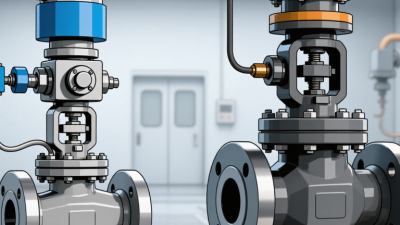
| 5. Pneumatically Actuated 2-Way Globe Valve | Two process ports; usually specified as normally closed, normally open, or a defined fail position. | A pneumatic actuator moves a stem and plug. A spring-return actuator can provide a specified fail-open or fail-closed action; double-acting versions require air for both directions. | On/off isolation or throttling duties when the valve and trim are designed for the required service. | Select by process pressure, temperature, flow coefficient, shutoff requirement, and actuator thrust—not by nominal pipe size alone. | Ask for the flow characteristic, seat leakage rating, actuator air-pressure range, air consumption, accessories, and verified fail action. | For control-valve applications, review relevant IEC 60534 requirements where specified. Define the pressure test and inspection requirements in the contract. |
| 6. Pneumatically Actuated 2-Way Ball Valve | Two process ports; typically quarter-turn, with spring-return or double-acting actuation. | The actuator rotates the ball between open and closed positions. The actuator’s spring or air-supply arrangement determines the failure position. | On/off isolation for compatible liquids and gases; port and seat design determine suitability for throttling or solids-bearing media. | Check pressure-temperature limits, bore type, seat material, torque at the worst operating condition, and actuator sizing margin. | Confirm end connections, mounting interface, stem and seat materials, cycle testing, actuator sizing basis, and accessories such as solenoid valves or limit switches. | ISO 5211 may be relevant to actuator mounting dimensions when specified. Agree on the applicable pressure and leakage test standard and acceptance criteria. |
| 7. Pneumatically Actuated 2-Way Butterfly Valve | Two process ports; quarter-turn operation, commonly supplied with spring-return or double-acting actuators. | A rotating disc controls the flow path. Seat and disc design affect sealing, pressure drop, and media compatibility. | Large-bore, relatively compact isolation duties in water, air, and other compatible services. | Confirm the pressure-temperature rating, disc and liner materials, flow direction limits, required torque, and face-to-face dimensions. | Request the complete valve-actuator assembly drawing, mounting details, end-connection dimensions, leakage data, and actuator failure position. | ISO 5211 may apply to actuator mounting when specified; ISO 5208 may be referenced for pressure testing where appropriate to the valve and contract. |
Buyer note: “2-way” describes a two-port flow path; it does not by itself define the valve’s pressure rating, materials, or fail position. Product limits vary by design and supplier. ISO 8573 can be used to specify compressed-air quality, while ISO 4414 addresses safety requirements for pneumatic fluid-power systems; neither replaces product-specific selection or testing. For cross-border purchases, state the destination market, applicable approvals, inspection requirements, documentation language, and agreed Incoterms in the inquiry and purchase order.
Get in Touch
570 Alden Road Unit #10, Markham Ontario Canada, L3R 8N5
Quick Links
Featured Products
Industries