2026 Best Pneumatic Control Valve Types for Global Buyers?
Choosing the right pneumatic control valve in 2026 requires more than comparing catalog prices. Global buyers must connect valve design with process behavior, air quality, maintenance skills, and local supply conditions. A refinery, food plant, and water-treatment facility may need completely different solutions.
Dr. Béla G. Lipták, a respected control engineering author, wrote, “The control valve is the most common final control element.” That observation still matters. The valve directly influences flow, pressure, temperature, and product consistency. Its performance can affect the entire control loop.
This guide examines the leading pneumatic control valve types for international purchasing teams. It considers globe, butterfly, ball, diaphragm, and angle valves. It also compares actuation methods, trim materials, fail-safe positions, noise control, response speed, and maintenance access. Practical details matter. A stainless-steel body may resist corrosion, while unsuitable elastomers can fail under heat or aggressive media.
Some choices remain uncomfortable. The cheapest valve may create higher downtime costs later. A highly accurate valve may also demand cleaner air and better calibration. No ranking fits every plant. Buyers should question pressure-drop data, leakage claims, certification scope, and spare-parts availability. Supplier experience must be verified through test records, application references, and clear technical documentation.
The best pneumatic control valve is not always the most advanced model. It is the one that remains stable, serviceable, and predictable in its actual environment. This article offers a practical starting point, while leaving room for engineering review before any purchase decision.
What Is a Pneumatic Control Valve and How Does It Work?
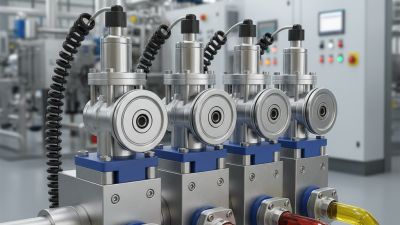
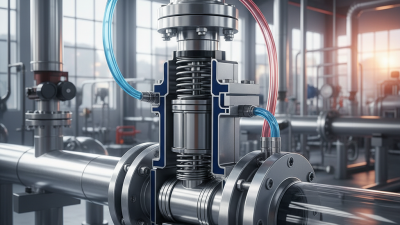
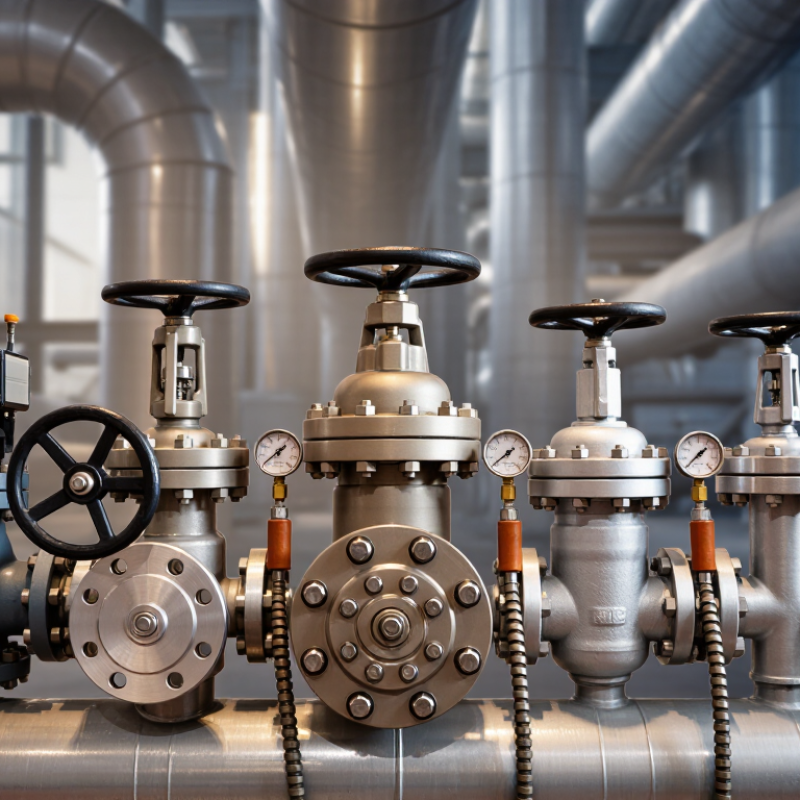
A pneumatic control valve regulates fluid flow by converting compressed-air energy into mechanical movement. A controller sends a pressure signal to an actuator, which moves the valve stem, plug, or disc. The opening changes gradually, not like a simple on-off switch. A positioner compares the requested position with actual movement and corrects errors. This matters when temperature, pressure, or flow must remain stable.
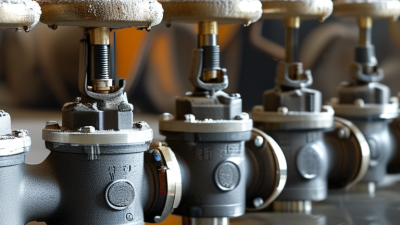
Globe valves suit precise throttling and high-pressure service. Butterfly valves offer lighter construction for large pipelines. Diaphragm valves help isolate corrosive or hygienic fluids. Angle valves can manage difficult layouts and reduce piping changes.
The U.S. Department of Energy reports that compressed-air leaks commonly waste 20% to 30% of generated air in poorly maintained systems. That loss increases operating cost before the valve even performs its job.
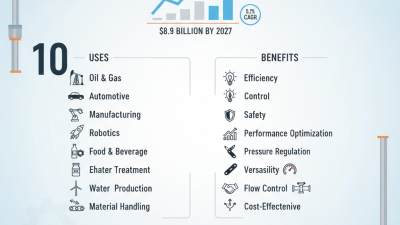
Market data also shows why selection deserves care. Fortune Business Insights estimated the global control valve market at about 7.9 billion dollars in 2023, with continued growth through 2032. Pneumatic designs remain common in process plants because they are responsive and suitable for hazardous areas. Yet “fail-safe” does not always mean fail-closed. Spring action, air failure, process pressure, and actuator sizing must be checked together. A valve may look correctly specified on paper. Field conditions can disagree. Noise, sticky movement, undersized tubing, and wet air still cause disappointing control. Regular stroke testing and clean, dry air are practical safeguards.
Main Types of Pneumatic Control Valves for Industrial Applications
Pneumatic control valves remain practical choices for chemical processing, water treatment, food production, and compressed-air systems. The main types include globe, butterfly, ball, diaphragm, angle, and pinch valves. Each design handles a different balance of accuracy, pressure drop, hygiene, and maintenance. Globe valves offer precise throttling, while butterfly valves suit large pipelines because their bodies are lighter and more compact. Ball valves provide fast, tight shutoff, but they may perform poorly when constant throttling causes seat wear.
Industry data supports continued demand. Grand View Research valued the global control valve market at approximately USD 7.5 billion in 2023 and projected growth through 2030. MarketsandMarkets also identifies process automation, water infrastructure, and energy projects as major demand drivers. These figures are useful, but reports use different definitions, so buyers should compare methodology carefully. Report estimates differ.
Selection should begin with operating conditions, not valve popularity. Check flow coefficient, line size, pressure, temperature, air quality, and failure position. Diaphragm valves can limit contamination in hygienic service, while angle valves often manage high-pressure drops with less piping complexity. In field inspections, incorrect actuator sizing appears surprisingly often. A valve may fit the pipe yet respond slowly or fail to close fully. That detail is easy to miss. Buyers should request test records, material certificates, leakage data, and actuator-cycle information before approving a pneumatic control valve for continuous industrial duty.
2026 Best Pneumatic Control Valve Types for Global Buyers
Typical control rangeability of major pneumatic valve types for industrial applications
Rangeability is the ratio between the maximum controllable flow and the minimum controllable flow. V-port ball and eccentric plug valves generally provide wider control ranges, while butterfly and diaphragm valves are commonly selected for simpler, lower-range control duties. Actual performance depends on valve sizing, actuator selection, trim design, pressure drop, and service conditions.
Key Selection Criteria for Global Buyers in 2026
Global buyers choosing pneumatic control valves in 2026 should match the valve type to process behavior, not catalog popularity. Globe valves provide precise throttling for steam, water, and chemical services. Ball valves suit faster on-off control and clean flow paths. Butterfly valves reduce weight and installation space in larger pipelines. Air quality matters. Moisture, oil, and particles can damage actuators and positioners, especially in humid plants.
Selection should begin with measurable operating data. Confirm media, pressure, temperature, flow range, pipe size, and required leakage class. Check whether the valve handles cavitation, flashing, abrasive solids, or frequent cycling. Specify the actuator’s spring-return position during air or power loss. This decision affects safety, product quality, and maintenance response. Control signals also need attention, including pneumatic, digital, and electro-pneumatic systems. Measure twice.
Global procurement adds practical risks. Materials should match corrosion exposure, while seals must remain stable across the full temperature range. Request tested performance records, traceable material documents, and clear conformity information for the installation country. Independent inspection can expose weak coatings, incorrect spring settings, or inconsistent calibration before shipment. Spare diaphragms and seals should be available locally when possible. Field experience shows that the lowest purchase price can create higher downtime costs. A spreadsheet rarely captures that delay. Buyers should also review noise levels, air consumption, actuator cycle life, and service training. Some specifications remain uncertain until real process data is verified, so a controlled site test is often worth the extra effort.
International Standards, Certifications, and Purchasing Considerations
For global buyers, pneumatic control valve selection depends on more than valve type. Globe, angle, butterfly, and rotary plug valves serve different flow conditions. IEC 60534 is a key reference for industrial control valves, while ISO 5211 helps define actuator and valve mounting dimensions. Buyers should also verify pressure, temperature, leakage, and flow coefficient data under the correct operating conditions.
Certification details require careful checking. ISO 9001 supports quality management, but it does not certify every valve design. CE, UKCA, ATEX, or IECEx requirements may apply, depending on the destination and installation area. The exact product configuration matters. A certificate alone is not enough. Ask for current declarations, test reports, material certificates, and serial-number traceability.
Purchasing teams should request body material, trim material, seal composition, fail-open or fail-close action, air consumption, and response time. Clean, dry instrument air is often essential. Do not overlook regional service capacity. Spare seals, actuator kits, and clear manuals can prevent long shutdowns. Field experience shows that buyers sometimes compare only purchase prices. That decision can be expensive later. I would also question vague flow data, incomplete certification files, and testing performed without witnessed procedures. Small details matter.