A parked car can look secure until a side window breaks beside a quiet curb. In the United States, the National Insurance Crime Bureau’s 2023 vehicle-theft report counted 1,020,729 stolen vehicles. That figure does not show how many thefts involved broken glass, and it cannot predict what a film will prevent. Still, it gives owners a reason to consider practical layers of protection.
Automotive Security Window Film is a clear or lightly tinted film applied to vehicle glass. Depending on its construction and installation, it can help hold broken glass together after impact, making the window less likely to fall into scattered pieces. Some security-focused products are designed to make entry more difficult, but no film makes glass unbreakable or guarantees that a determined intruder will be stopped. That distinction matters. It is easy to overlook when product claims sound absolute.
The National Highway Traffic Safety Administration’s Federal Motor Vehicle Safety Standard No. 205 sets performance requirements for vehicle glazing. It is a useful reference for understanding that automotive glass already has defined safety requirements; aftermarket film is an additional measure, not a replacement for compliant glazing. Results can vary with the glass type, film thickness, adhesive, and installer’s workmanship. A loose edge or poorly fitted film may disappoint. Before choosing a product, ask for its tested performance details and installation guidance, then weigh those claims against your vehicle’s needs. The evidence is not always simple. A sensible choice starts with realistic expectations.
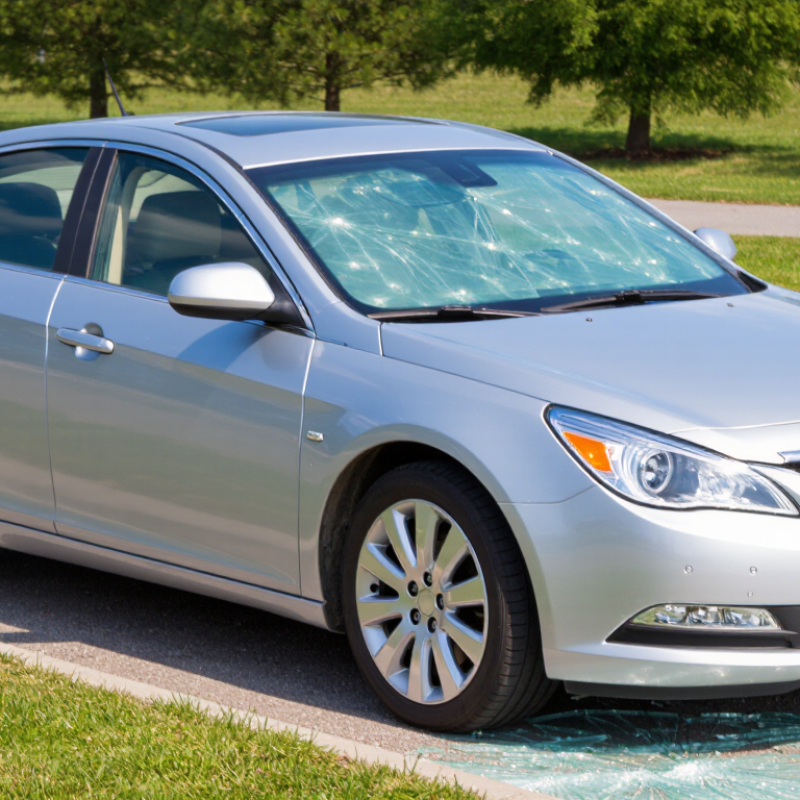
Automotive security window film is a clear, durable layer fitted to the inside of a vehicle’s glass. It is designed to help hold broken pieces together if a window is struck. Without it, shattered glass may scatter across a seat or door panel. With film, the pane can remain in a cracked sheet for a while. It does not make ordinary glass unbreakable, and it cannot guarantee that a vehicle will resist entry. Its performance depends on the film’s construction, the glass, and careful installation.
The film may also help reduce flying glass during some impacts, though it is not a substitute for seat belts or other safety features. A trained installer can explain how the film bonds to the glass and whether the edges need special treatment. Ask about care instructions, too. Some films need time to cure, so rolling down a window too soon can disturb the finish. Small bubbles may appear at first; persistent haze deserves a closer look. Real results vary.
Tips: Clean the glass gently and avoid sharp tools near film edges. Check the installer’s care guidance before using window cleaners. A useful question to ask: how does this film perform when the glass breaks? Don’t expect a simple yes-or-no answer; the details matter.

Automotive security window film is a clear, flexible polyester layer applied to the inside surface of a vehicle’s glass. During installation, the glass is cleaned carefully, then the film is cut to fit and fixed in place with a pressure-sensitive adhesive. A small amount of installation solution helps the film sit smoothly while it is positioned.
The film does not stop glass from breaking. Instead, its bonded layers help hold many fragments together when a window is struck. The pane may crack or become cloudy, but loose pieces are less likely to scatter across the seats. That can reduce some risks from flying shards and make a quick reach through damaged glass more difficult. It is not magic.
Performance depends on the film’s thickness, the quality of installation, and how it connects to the vehicle’s window frame. Film alone cannot make every window breach-proof, and gaps around the glass can remain weak points. In daily use, a properly installed film should look nearly clear, though faint edges or small imperfections may be noticeable at certain angles. Those details are worth checking after installation. A technician can also explain how long the adhesive needs to cure before the windows should be lowered or cleaned.
| Dimension | How It Works | Practical Benefit | Important Limitation |
|---|---|---|---|
| Film construction | A transparent polymer film is applied to the inside surface of the vehicle’s glass. Security films are designed to be tougher and more tear-resistant than ordinary window tint. | Adds a layer that can help hold broken glass fragments together. | Film does not make standard vehicle glass unbreakable or convert it into bullet-resistant glass. |
| Impact response | When glass cracks, the film and its adhesive can help keep many fragments attached to the film rather than scattering freely. | May reduce loose-glass scatter during certain breakage events. | The glass can still crack, and the film may be cut, punctured, or separated under sufficient force. |
| Resistance to quick entry | By helping retain broken glass in the window opening, film may make it take longer to create an opening after the glass is struck. | Can provide an additional deterrent and may delay access. | It is not a substitute for locks, an alarm, secure parking, or other theft-prevention measures. |
| Adhesive and edges | The adhesive bonds the film to the glass. Some installations use an attachment method designed to connect the filmed glass to the window frame. | A properly specified and installed system can improve how the film and glass act together. | Performance depends on the film, glass, installation, and attachment method; not every installation includes a frame attachment. |
| Visibility and tint | Security film can be clear or combined with a tint, depending on the product selected. | Clear options can add a protective layer without intentionally darkening the view. | Tint darkness and reflective properties may be restricted by local vehicle-window laws. |
| Installation and curing | An installer applies the film to clean glass and allows the adhesive to cure according to the product instructions. | Professional installation can help reduce contamination, bubbles, and edge defects. | Drying and curing time varies; follow the installer’s guidance before lowering windows or cleaning them. |
| Emergency exit | Because film can keep cracked glass attached, an emergency exit may require additional effort if a window must be broken. | Understanding the trade-off helps owners plan for emergencies. | Keep an appropriate emergency glass-breaking tool accessible where permitted, and follow vehicle and tool instructions. |
| Care and maintenance | Once cured, the film is cleaned like a finished window surface, using products and tools approved for the film. | Routine, gentle cleaning helps preserve clarity and surface condition. | Avoid abrasive pads and follow the film manufacturer’s care instructions to reduce scratching or edge damage. |
Automotive security window film adds a durable layer to existing glass. If a side window breaks, the film can help hold many fragments together instead of letting them scatter across seats and door panels. That may reduce cuts during a collision or while clearing broken glass.
A small distinction matters. Film does not make ordinary glass unbreakable, and it cannot guarantee that a vehicle will resist entry.
The film may also make a quick break-and-reach attempt take longer, giving occupants more time to react. Its performance depends on the film, the glass, and how carefully the edges are attached.
Installation quality matters. Ask an experienced installer how the film suits your vehicle’s windows and whether it affects visibility or existing safety features. Check the glass from different angles, especially at night, when glare can be more noticeable.
It is tempting to treat thicker film as automatically better, but that is not always a useful measure on its own. The right choice should balance fragment retention, clear sightlines, and a dependable fit.
Automotive security window film comes in several forms. Clear safety film keeps the factory glass appearance while helping hold broken pieces together. Tinted security film adds privacy and reduces glare, but darker glass can make night driving harder. The International Window Film Association’s safety-film guidance describes products in roughly the 4–15 mil range, or about 0.10–0.38 mm. Thicker does not automatically mean better: adhesive quality, glass condition, and installation all affect performance.
Some systems also use an edge-attachment method, which connects the film to the window frame and helps retain the glass after impact. Ask an installer whether the film is suitable for your vehicle’s glass and window mechanisms. Small details matter. ASTM F1642/F1642M evaluates glazing systems exposed to blast loads and considers hazards from flying fragments; it is not a vehicle-film rating, but it illustrates why the full glass-and-film assembly matters. Film may help delay access and contain shards, yet it cannot make a window unbreakable. That distinction is easy to overlook. A practical choice balances visibility, fragment retention, and fit with the vehicle’s existing windows.
Choosing film starts with the glass, not its shade. A 2016 study in JAMA Dermatology tested 29 vehicles. Front side windows blocked an average of 71% of UVA, while windshields averaged 96%. That gap matters. Compare documented UV rejection, visible-light transmission, and total solar-energy rejection. A darker appearance alone does not prove stronger protection. Ask for test specifications, and check that the film suits your vehicle’s glass and embedded antennas.
Installation quality affects clarity and longevity. Look for clean edges, no trapped dust, and an even finish when viewed in daylight. Follow the installer’s curing instructions before cleaning or lowering the windows; timing varies by film and conditions. Small details matter. Use a soft microfiber cloth and a mild, ammonia-free cleaner. Avoid abrasive pads and hard scrubbing near film edges or defroster lines. Even careful upkeep cannot prevent every nick. Inspect early, and ask whether a flaw needs repair rather than assuming it will disappear.
Get in Touch
570 Alden Road Unit #10, Markham Ontario Canada, L3R 8N5
Quick Links
Featured Products
Industries