Marine Flex Hose serves many demanding jobs aboard a vessel, from carrying fuel to moving engine exhaust. The right hose helps manage vibration, tight bends, and changing conditions in confined spaces. But flexibility alone does not make a hose suitable. Small differences matter.
Common types include fuel hose, wet-exhaust hose, sanitation hose, potable-water hose, and bilge or general-purpose hose. Fuel hose is designed for specified fuels and operating conditions. Wet-exhaust hose must tolerate hot water, exhaust flow, and engine movement. Sanitation hose often includes odor-resistant construction, while potable-water hose is made for drinking-water systems. Bilge and utility hoses serve different drainage or transfer tasks. These categories can overlap, so product labels and technical data deserve close attention.
A hose that fits may still be wrong for its fluid, temperature, pressure, or installation route. Check the manufacturer’s stated limits, connection size, bend radius, and compatibility before choosing a replacement. Inspect existing runs for abrasion, flattened sections, leaks, or hardened surfaces; appearance alone cannot confirm suitability. This guide looks at the top types of Marine Flex Hose, where each is commonly used, and what details help distinguish them. Some installations are less straightforward than they seem, and a second check is worthwhile.
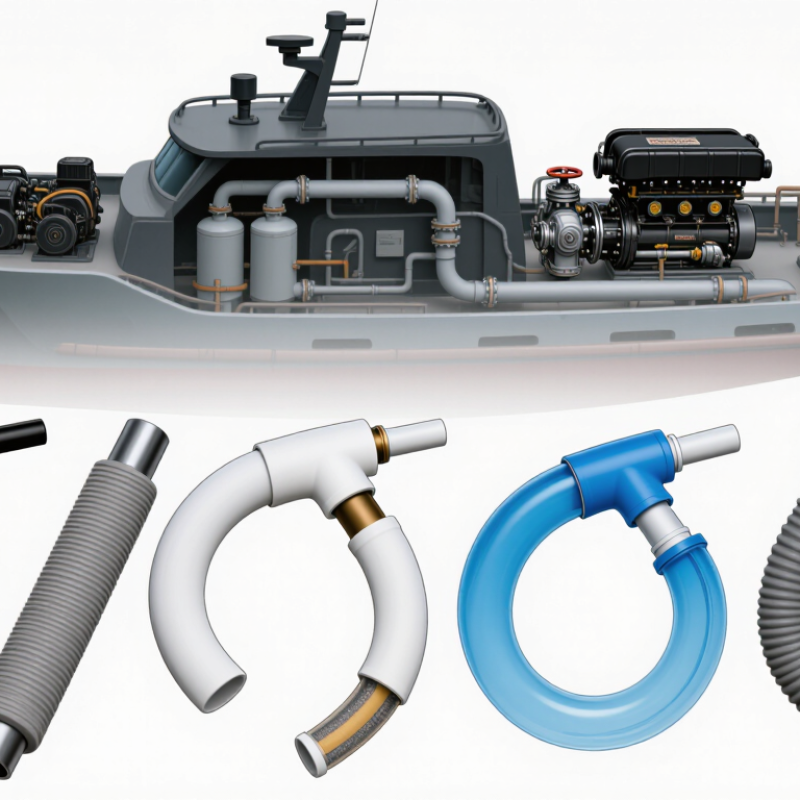
Marine flex hoses are best classified by the fluid they carry and the conditions around them. Fuel lines need materials tested for fuel compatibility; ISO 7840 specifies fire-resistant hose requirements for small craft. Its fire-resistance test includes a 2.5-minute flame exposure. That figure describes a test, not permission to route fuel hose beside an exhaust. Check the hose marking and installation instructions.
Other service types include wet-exhaust, sanitation, potable-water, bilge, and cooling-water hoses. ISO 8099 covers sanitation hose performance for small-craft toilet systems, while potable-water hose must suit drinking-water contact. Construction changes how a hose bends and resists damage: smooth-bore rubber can aid flow, corrugated walls allow tighter bends, and textile or wire reinforcement helps resist pressure or collapse. A wire helix can matter on a suction-side bilge run.
“Marine grade” alone is not a useful specification. Match the hose to the fluid, temperature, pressure, bend radius, and whether it faces suction or discharge. A sanitation hose may control odor diffusion, while an exhaust hose must tolerate hot water and engine vibration. Labels can be confusing; I would verify the applicable standard, size, and service rating before installation. Even a correctly rated hose can fail when kinked or chafed against a sharp engine-bed edge.

Marine engine fuel and oil hoses may look similar, but their inner linings serve different fluids and operating conditions. A fuel hose must resist the fuel it carries, while an oil hose needs a lining compatible with the specified lubricant and heat. Check the hose markings and equipment documentation rather than judging by color or outer texture. A clean-looking hose can still be deteriorating inside.
Fit matters. Match the hose’s pressure rating and intended use to the engine system, including whether the line handles suction, delivery, or return flow. Keep bends broad, and prevent contact with hot engine parts, sharp edges, and moving belts. Clamps should secure the hose without cutting into it. Not just the diameter. The connection type matters too.
During inspection, look for cracks, swelling, soft spots, leaks, and hardened sections near fittings. Pay close attention after maintenance, when a line may have been twisted or pushed into a tighter route. Small details are easy to miss. A hose can appear sound while its routing puts it under constant strain, so check the full run—not only the exposed section. Replace any hose whose compatibility or condition is uncertain.
Cooling-water and exhaust hoses manage two different heat problems aboard a boat. A cooling-water hose carries raw water or coolant through the engine system, helping remove heat before it builds. Its wall must tolerate the specified temperature and pressure, plus vibration and exposure to oil or saltwater where applicable. Look for swelling, surface cracks, softened sections, or seepage near clamps. Small leaks matter. A weakened hose can restrict flow or admit air, either of which may raise engine temperatures. Choose a hose rated for its exact service, not merely one that fits the fitting.
Exhaust hose faces hotter gases, often mixed with cooling water in a wet-exhaust system. It needs an appropriate temperature rating and reinforcement, with bends that do not flatten the passage. Keep it clear of sharp edges and heat-sensitive wiring; support long runs to reduce strain on joints. Check clamps and connections after service, then inspect again when the engine is cold. That second look is easy to skip. Never substitute ordinary cooling hose for exhaust duty. Specifications vary by engine layout, and a tidy installation can still hide a tight bend or trapped low spot. Photos taken before removal can help preserve routing, but they cannot replace checking the hose’s pressure and temperature limits.
Indicative temperatures in marine cooling and exhaust systems—not hose temperature ratings.
Raw-water cooling systems are generally near seawater temperature, while engine coolant runs hotter. Wet-exhaust hoses carry water-cooled exhaust; dry-exhaust flexible connectors may encounter much higher temperatures. Actual conditions depend on the engine, installation, and operating load. Always check the hose manufacturer’s specified temperature limits.
Potable-Water and Sanitation Hoses for Onboard Plumbing
On a boat, potable-water hose carries drinking and cooking water through tight spaces and changing temperatures. Choose hose specifically rated for potable water, not ordinary utility hose. Its lining should resist imparting taste or odor, and its pressure rating should suit the pump and system. Small details matter. Before installation, rinse the hose and check the manufacturer’s temperature and cleaning guidance.
Sanitation hose handles a very different job. It should resist waste, odor permeation, and the bends common in compact plumbing runs. A smooth bore can help waste pass through, while excessive kinking may restrict flow. Match the hose to the system’s connections and operating conditions; a larger diameter alone does not guarantee better performance. Odor control can be difficult, and even suitable hose may develop problems if fittings are loose or runs hold standing waste.
Route both types away from hot engine parts, sharp edges, and areas where gear may crush them. Support long runs, avoid tight bends, and secure connections with suitable marine-grade clamps. After fitting, check joints while the system is operating, then inspect them periodically for dampness, swelling, cracking, or persistent odor. A hose can look sound from above and still be compressed behind a panel, so access for inspection deserves attention too.
| Hose Type | Typical Construction | Common Onboard Uses | Key Selection Considerations | Installation and Maintenance Notes |
|---|---|---|---|---|
| Potable-Water Supply Hose | Flexible polymer or rubber tube with reinforcement designed for drinking-water contact. | Cold-water lines from a freshwater tank or dockside connection to taps, galley fixtures, and other outlets. | Choose hose explicitly suitable for potable water. Check its rated working pressure, temperature range, and compatibility with the vessel’s fittings. | Flush new hose before use. Keep drinking-water lines separate from sanitation plumbing and protect them from chafe and excessive heat. |
| Hot-Water Hose | Reinforced hose made from materials rated for the temperatures and pressures of a hot-water system. | Connections between a water heater and sinks, showers, or other hot-water fixtures. | Confirm potable-water suitability as well as temperature and pressure ratings. A cold-water hose may not be suitable for hot-water service. | Follow the heater manufacturer’s installation requirements. Avoid kinks, sharp bends, and contact with hot engine or exhaust components. |
| Sanitation Hose | Heavy-duty, reinforced hose designed to carry toilet waste and resist odor permeation. | Marine toilet discharge lines and connections to a holding tank or other approved waste system. | Use hose intended for marine sanitation service; ordinary utility hose may allow odors to pass through or may not withstand the service conditions. | Keep runs as short and straight as practical, support the hose, and use compatible, properly secured connections. Inspect periodically for odor, soft spots, and leaks. |
| Vacuum-Rated Sanitation Hose | Reinforced sanitation hose constructed to resist collapse under vacuum where the system design requires it. | Vacuum-flush toilet plumbing and other sanitation-system sections that experience vacuum. | Check that the hose is specifically rated for the system’s vacuum and waste-service requirements; not every sanitation hose is vacuum-rated. | Observe the equipment maker’s routing and bend-radius guidance. Avoid crushing the hose or restricting its internal diameter. |
| Holding-Tank Vent Hose | Flexible hose intended for tank ventilation, with construction suited to the expected environment and airflow. | Vent connection between a holding tank and an exterior vent fitting. | Select a suitable size and material for the tank-vent application. The vent route should allow air to flow and should not be confused with a waste-discharge line. | Route to the designated vent fitting, minimize sags that can trap liquid, and check the line and vent opening for obstruction. |
Hydraulic hoses for steering and deck equipment must match the circuit’s pressure, movement, and fluid requirements. Steering lines often use flexible, oil-compatible hose with reinforcement suited to the system’s rated pressure. Winches, cranes, and trim systems may need higher-pressure hose that tolerates repeated flexing and vibration. ISO 18752:2022 provides a useful technical reference: it classifies hydraulic hoses by working-pressure and impulse-test performance. Check the hose’s documented rating, not just its outside diameter. A fitting that looks right can still leak under load.
Routing matters just as much. Keep steering hoses clear of sharp edges, hot exhaust surfaces, and pinch points near moving deck gear. Leave enough slack for the helm or equipment to travel without pulling the fittings tight. Inspect for abrasion, cracking, flattened bends, and oily residue; replace damaged hose rather than wrapping it. The U.S. Coast Guard’s 2023 Recreational Boating Statistics recorded 3,844 recreational boating accidents and 564 deaths. Those figures do not identify hose failure as a cause, but they reinforce the value of reliable controls and routine checks. One weak assumption is that a hose is sound because it looks clean. Hidden damage can remain.
Get in Touch
570 Alden Road Unit #10, Markham Ontario Canada, L3R 8N5
Quick Links
Featured Products
Industries