Choosing the right Norgren valves can shape an entire pneumatic system’s performance, safety, and maintenance cost. Global buyers face a wide selection, including solenoid valves, proportional valves, air pilot valves, check valves, and directional control valves. Each type responds differently to pressure, flow, temperature, contamination, and installation space. A compact factory actuator may need a fast 3/2 valve, while a packaging line may demand precise proportional control.
Norgren valves specialist David Morgan explains, “The best valve is not simply the fastest or cheapest; it is the one that matches the machine’s real operating conditions.” That principle deserves attention. Product catalogues often highlight impressive flow rates, but those figures may change under actual pressure and tubing conditions. Port size, seal material, response time, coil voltage, and environmental protection can matter more than a familiar brand name.
This guide examines ten important types of Norgren valves for international buyers. It connects valve design with practical purchasing decisions, from factory automation to process equipment and mobile machinery. The discussion also considers spare parts, technical support, certifications, and long-term availability. Small details matter. A wrong thread standard can delay installation. An unsuitable seal can shorten service life. Even experienced buyers sometimes overlook moisture, pressure fluctuation, or future capacity changes. That is why this overview remains practical rather than absolute. No valve is ideal for every application. Reliable selection begins with honest operating data, careful comparison, and a willingness to question convenient assumptions.
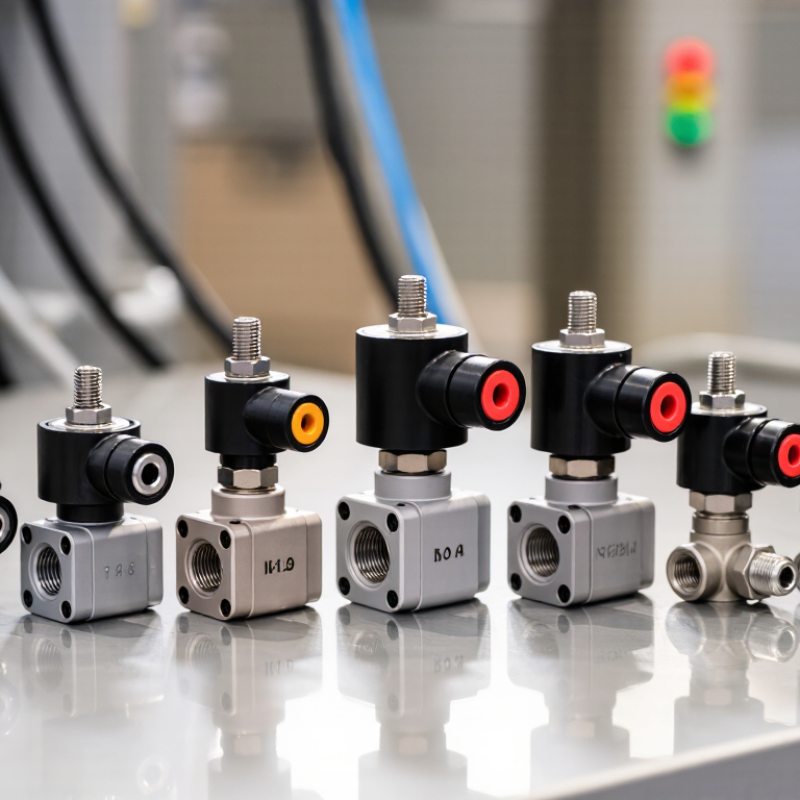
Industrial valve families become easier to compare when their core functions are clear. Directional control valves route compressed air between ports. Solenoid valves use electrical signals for fast, repeatable switching. Manual valves support simple local control during setup or maintenance. Check valves allow flow in one direction. Shuttle valves select one of two air signals. These five types often appear in compact pneumatic assemblies.
Pressure regulators stabilize downstream pressure near a chosen setting. Flow-control valves adjust actuator speed by limiting air volume. Quick-exhaust valves release air close to a cylinder, improving response time. Proportional valves provide finer control over pressure or flow. Pilot-operated valves use a small control signal to manage higher flow rates. Their performance depends on pressure range, port size, response time, and seal compatibility. In practice, catalogue categories may overlap, so a familiar name does not guarantee identical behavior.
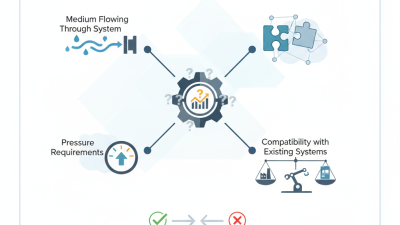
Tips: Match the valve family to the actual task, not only the machine drawing. Check supply pressure, media quality, temperature, mounting space, and electrical requirements. A dusty workshop may need stronger protection than a clean test bench. Confirm thread standards before ordering internationally. Ask for operating curves when speed or precision matters. Small errors here become expensive downtime. No selection guide is perfect; real testing may reveal pressure drops, noise, or slower cycling than expected. Record those observations before approving large-volume purchases.
Choosing the right valve type depends on pressure, media, response time, and maintenance conditions. In factory audits, these details often matter more than catalog appearance.
Solenoid valves suit automated air circuits, especially for fast cylinder switching. Directional control valves manage actuator movement on packaging and assembly lines. Proportional valves provide adjustable pressure or flow for gripping and tension control. Pressure regulators stabilize downstream equipment when supply pressure fluctuates. Check valves prevent reverse flow in pumps, compressors, and pneumatic branches.
Flow control valves adjust cylinder speed through calibrated air restriction. Needle valves offer fine adjustment in laboratory equipment and low-flow systems. Shuttle valves allow two separate signals to operate one actuator, which helps create simple backup controls. Quick exhaust valves release trapped air near the cylinder, improving return speed. Soft-start and dump valves gradually pressurize or safely vent a circuit during startup and shutdown.
Selection should include real operating data, not only the nominal port size. A valve rated for clean, dry air may perform poorly in humid lines. I have seen slow actuators caused by undersized tubing, not defective valves. That distinction saves unnecessary replacement costs. Material compatibility, seal temperature, noise, electrical protection, and spare-part access also deserve attention. No catalog choice is perfect. Field testing still matters.
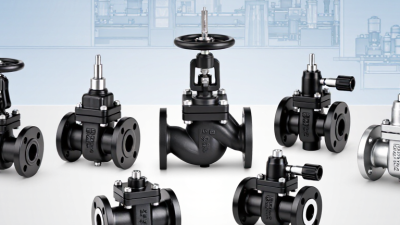
A practical top-ten shortlist covers 3/2, 5/2, and 5/3 directional valves, solenoid valves, pilot-operated valves, manual valves, proportional valves, check valves, shuttle valves, and quick-exhaust valves. Actuation determines response, control, and maintenance. Solenoids suit automated cycles, while manual units remain useful during commissioning. Pneumatic pilots handle frequent switching with less electrical complexity. Proportional control offers finer adjustment, but it costs more and needs cleaner air.
Material selection follows the environment. Aluminum keeps assemblies light, brass suits general service, and stainless steel tolerates moisture or aggressive cleaning. Engineered polymers can reduce weight, although temperature limits are easy to overlook. Common working ratings include 3, 8, 10, and 16 bar. Always separate operating pressure from proof pressure. That mistake is still common. Port sizes such as G1/8, G1/4, G1/2, and G1 influence flow, tubing, and pressure drop. Bigger is not automatically better. The U.S. Department of Energy reports that compressed-air leaks can waste 20–30% of system output. Therefore, a quick-exhaust or check valve may deliver more value than a larger actuator. A 2024 industrial-valves market report projects growth from roughly USD 77 billion to nearly USD 99 billion by 2029. Buyers should still verify temperature, seal compatibility, cycle frequency, and regional thread standards before comparing price. Testing under actual load remains wiser than relying on catalog ratings.
Selecting the right valve begins with the machine, not the catalogue. Global buyers should compare ten common types: solenoid, directional, proportional, check, relief, flow-control, needle, shuttle, soft-start, and exhaust valves. Each serves a different control need. A solenoid valve may switch a cylinder quickly, while a proportional valve adjusts pressure or flow with greater precision. Check valves prevent reverse movement. Relief valves protect circuits from excessive pressure.
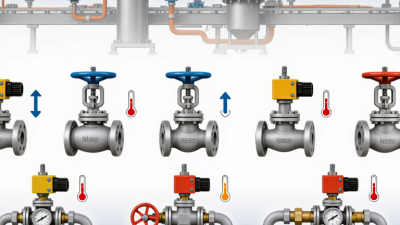
Standards and site conditions can change the selection. Confirm port sizes, pressure ranges, voltage, thread forms, and seal materials against the local system. ISO-based pneumatic practices support safer design, but plant specifications still require careful review. In humid rooms, corrosion-resistant materials matter. In dusty areas, enclosure protection and filtration deserve attention. Cold environments can stiffen seals and increase response time. During commissioning, measure actual pressure at the actuator, not only at the compressor. Small pressure losses can alter speed and force.
Reliable purchasing also requires traceable datasheets, compatible spare parts, and clear conformity documents. I have seen installations fail because a metric thread was fitted to an incompatible port. The mistake looked minor. It was not. Engineers should also check response time, flow capacity, noise, maintenance access, and expected cycling frequency. A valve that works in a laboratory may struggle beside heat, vibration, oil mist, or frequent washdown. Selection is rarely perfect on the first pass. Review the operating data after installation, and revise the specification when field evidence challenges the original assumption.
Typical maximum working-pressure ranges used for industrial pneumatic valve selection across international systems and environments.
Pressure ratings are representative industry ranges rather than fixed limits. Final selection should verify port size, flow capacity, temperature, media compatibility, electrical configuration, and applicable ISO, IEC, or regional safety requirements.
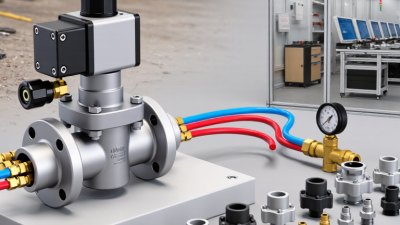
For global buyers, evaluating ten common pneumatic valve types requires more than comparing prices. Solenoid directional, manual directional, proportional, pressure-regulating, relief, check, shuttle, flow-control, soft-start, and quick-exhaust valves serve different purposes. Compatibility starts with port size, thread standard, pressure range, medium, voltage, and seal material. A valve may fit physically but fail in cold rooms or oil-contaminated air. Proportional units need clean air and stable signals. Solenoid models require matching voltage and duty cycles. Check and shuttle valves are simpler, but their cracking pressure can affect actuator timing. Test a sample with the actual cylinder and tubing. Small differences matter.
Maintenance planning should examine coil replacement, seal access, filter requirements, and diagnostic visibility. Quick-exhaust and soft-start valves can reduce wear, while relief valves help control dangerous pressure increases. Yet every added component creates another inspection point. Availability depends on regional stock, interchangeable parts, and realistic lead times, not catalog promises. Keep critical seals and coils locally when possible. Total cost includes purchase, shipping, installation, energy use, downtime, and disposal. A cheaper valve may consume more air or require frequent cleaning. In field audits, buyers often underestimate labor. I have also seen oversized valves create sluggish motion. This is easy to miss. Compare lifecycle data, verify technical documents, and record test results before committing.
| Valve Type | Primary Function | Typical Port or Connection Standards | Typical Working Pressure | Typical Temperature Range | Compatibility Considerations | Maintenance Needs | Typical Global Availability | Relative Total Cost | Common Applications |
|---|---|---|---|---|---|---|---|---|---|
| 3/2-Way Solenoid Valve | Controls one single-acting actuator or switches between supply, exhaust, and output ports. | G1/8 to G1/2, NPT equivalents, ISO 5599-1 or compact manifold interfaces. | Approximately 0 to 10 bar pneumatic service; model-dependent. | Approximately -10°C to +50°C for standard versions. | Check voltage, normally open or normally closed configuration, flow direction, seal material, and minimum operating pressure. | Low; inspect seals, electrical connections, contamination, and exhaust mufflers. | High | Low to Medium | Single-acting cylinders, grippers, clamps, pilot control, and compact automation systems. |
| 5/2-Way Directional Valve | Reverses airflow to operate a double-acting pneumatic actuator. | G1/8 to G1/2, NPT equivalents, ISO 15407 or ISO 5599-1 interfaces. | Approximately 2 to 10 bar pneumatic service; pilot-operated versions may require minimum pressure. | Approximately -10°C to +50°C for standard industrial models. | Confirm spool function, manual override, coil voltage, response time, flow capacity, and manifold compatibility. | Low; maintain clean, dry air and replace worn seals or coils when required. | High | Low to Medium | Double-acting cylinders, pick-and-place equipment, packaging machines, and assembly lines. |
| 5/3-Way Directional Valve | Provides extend, retract, and center-position control for a double-acting actuator. | G1/4 to G1/2, NPT equivalents, ISO 15407 or ISO 5599-1 interfaces. | Approximately 2 to 10 bar pneumatic service. | Approximately -10°C to +50°C for standard versions. | Select the correct center condition: closed, exhaust, or pressure center; verify actuator load and stopping requirements. | Low to Medium; center-position performance depends on clean air and proper sizing. | Medium to High | Medium | Positioning systems, machine guarding, presses, and applications requiring controlled actuator stopping. |
| Proportional Flow or Pressure Valve | Continuously adjusts airflow or pressure in response to an electrical control signal. | G1/8 to G1/2, analog 0–10 V, 4–20 mA, or digital control interfaces. | Commonly 0 to 10 bar pneumatic service; control range varies by design. | Approximately 0°C to +50°C for many electronic industrial models. | Check signal type, resolution, hysteresis, response time, controller compatibility, and electromagnetic noise requirements. | Medium; requires clean air, periodic calibration checks, and protection from moisture and electrical surges. | Medium | High | Pressure control, force regulation, tension control, soft motion, and process automation. |
| Pressure-Regulating Valve | Reduces and stabilizes downstream pressure despite changes in inlet pressure or demand. | G1/8 to G2, NPT equivalents, BSPP, BSPT, and manifold-mounted options. | Inlet pressure commonly up to 16 bar; outlet ranges often 0.1 to 10 bar. | Approximately -10°C to +60°C, depending on seal and body materials. | Confirm inlet pressure, required flow, adjustment range, gauge connection, relieving or non-relieving design, and media compatibility. | Low; inspect diaphragm, spring, filter element, and pressure stability. | High | Low to Medium | Compressed-air preparation, actuator protection, instrumentation, and point-of-use pressure control. |
| Needle or Flow-Control Valve | Fine-tunes flow rate to control actuator speed or regulate a process stream. | G1/8 to G1/2 pneumatic ports; threaded or compression connections for fluid service. | Approximately 0 to 10 bar in pneumatic control; higher ratings are available for specialized fluid models. | Approximately -20°C to +100°C, subject to seal and body materials. | Check uni-directional or bi-directional operation, Cv or flow coefficient, thread form, medium, and throttling direction. | Low; clean the orifice and inspect the needle, seat, and adjustment lock. | High | Low | Cylinder speed control, metering, laboratory equipment, lubrication systems, and small process lines. |
| Check Valve | Allows flow in one direction and prevents reverse flow or pressure backflow. | Threaded, push-in, cartridge, sandwich, or flange connections; common sizes from G1/8 to G2. | Commonly 0.5 to 40 bar, depending on construction and size. | Approximately -20°C to +100°C for general-purpose elastomer-sealed designs. | Verify cracking pressure, allowable reverse pressure, flow direction, leakage class, and media compatibility. | Low; inspect the poppet, spring, seat, and contamination level. | High | Low | Air reservoirs, vacuum circuits, pump outlets, actuator isolation, and backflow protection. |
| Quick Exhaust Valve | Exhausts air near the actuator to increase cylinder response and reduce back pressure. | Typically G1/8 to G1/2 threaded ports with an exhaust outlet. | Approximately 1 to 10 bar pneumatic service. | Approximately -10°C to +50°C for standard pneumatic versions. | Install close to the actuator; confirm exhaust capacity, sound level, flow direction, and thread compatibility. | Low; check the diaphragm or poppet and keep exhaust passages free of debris. | High | Low | High-speed cylinders, short-cycle automation, presses, and pneumatic gripping systems. |
| Ball Valve | Provides quarter-turn on/off isolation with low resistance when fully open. | Female or male threaded, compression, socket-weld, or flanged connections; common sizes DN6 to DN100. | Commonly up to 16, 25, or 63 bar, depending on body material, size, and temperature. | Approximately -20°C to +180°C, depending on seat material. | Confirm full-bore or reduced-bore design, pressure class, body and seat materials, actuator interface, and medium compatibility. | Low; cycle periodically and inspect stem seals, seats, and mounting hardware. | Very High | Low to Medium | Compressed air, water, inert gases, general utilities, and process isolation. |
| Butterfly Valve | Controls or isolates relatively large fluid flows using a rotating disc. | Wafer, lug, or flanged designs; common sizes DN50 to DN1200 or larger. | Commonly PN6 to PN16; higher pressure classes are available in specialized designs. | Approximately -20°C to +150°C, depending on liner, disc, and seat materials. | Check flange standard, face-to-face dimensions, disc clearance, pressure class, liner material, and actuator torque. | Low to Medium; inspect seat wear, shaft seals, flange bolts, and actuator alignment. | High | Medium | Water treatment, HVAC, compressed air, ventilation, utilities, and large-diameter process piping. |
Get in Touch
570 Alden Road Unit #10, Markham Ontario Canada, L3R 8N5
Quick Links
Featured Products
Industries