Top 10 Harbor Crane Manufacturers for Global Buyers

Global buyers choosing Harbor Cranes are investing in more than lifting capacity. They are choosing equipment that must work through salt spray, tight berth schedules, heavy loads, and years of demanding service. Small details matter: corrosion protection, spare-parts access, operator visibility, and how quickly a crane can return to operation after maintenance.

The market context is substantial. UNCTAD’s Review of Maritime Transport 2024 reports that global maritime trade grew by 2.4% in 2023, reaching 12.3 billion tonnes. That growth does not automatically mean every port needs new cranes. It does make reliable cargo handling and careful capacity planning increasingly important. Port economist Theo Notteboom’s work offers a useful lens: terminal performance depends on connected systems, including equipment, operations, and landside links—not crane specifications alone.

No single shortlist fits every harbor. A busy container terminal may prioritize high throughput and automation; a smaller multipurpose port may value flexibility, straightforward maintenance, and dependable local support. Rankings also have limits. Published specifications rarely reveal how a machine performs after years of hard use. This guide compares ten manufacturers for global buyers, focusing on product range, engineering capabilities, service networks, and practical selection considerations. The goal is not to declare one universal winner, but to help buyers ask sharper questions before requesting a proposal.
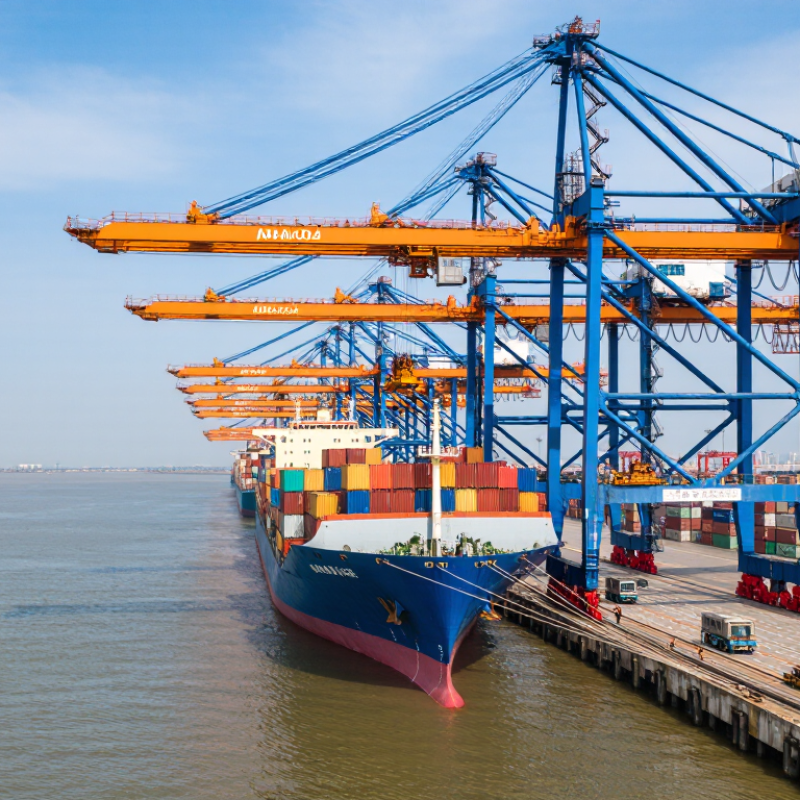
Top 10 Harbor Crane Manufacturers for Global Buyers

Understanding Harbor Cranes and Their Role in Port Operations

Harbor cranes connect ships with the working areas of a port. They lift, transfer, and position cargo between vessels, quay surfaces, trucks, and storage zones. Their reach and lifting capacity affect how quickly a berth can be cleared. But speed is only one measure.

Container cranes move standardized boxes, while other crane designs handle bulk materials or irregular cargo. A vessel’s deck height, cargo weight, wind exposure, and available quay space all shape equipment requirements. A crane that suits one terminal may be inefficient at another. Details matter. Operators also need clear sightlines and reliable communication, especially when coordinating lifts during busy shifts. Even a well-specified crane can lose time when maintenance access is awkward or spare parts are difficult to manage.

Tips: Before comparing equipment, record typical cargo weights, peak vessel sizes, berth dimensions, and local wind conditions. Ask how inspection and maintenance are performed. Check the stated duty cycle against real operating patterns, not just ideal conditions. The figures may look neat on paper. Port work rarely is.

Key Harbor Crane Types and Their Typical Applications

Harbor crane selection starts with the cargo and the quay. Ship-to-shore cranes move containers between vessels and terminal vehicles. Their long outreach helps serve ships across wide beams. Mobile harbor cranes can handle containers, breakbulk, and project cargo. They suit mixed-use terminals where workloads change. Portal cranes travel on rails and often serve fixed quay routes. Grab cranes move loose materials such as grain or mineral products into hoppers. Floating cranes can assist where shore access is limited, though weather and mooring conditions matter.

Tips: Check vessel size, working radius, lifting capacity, and available quay space. Confirm the crane’s operating limits against real cargo weights, not estimates. Ask how wind restrictions, maintenance access, and power supply affect daily operations.

A useful comparison includes duty cycle, outreach, rail loading, and expected service conditions. A bulk terminal may value a grab system’s steady flow, while a container port may prioritize fast, repeatable lifts. Operators should also review visibility from the cab and safe access for inspection. These details can look minor on a specification sheet. They are not minor during a busy shift. No crane type fits every harbor perfectly, and workload forecasts can be wrong. Revisit them before committing to a configuration.

Top 10 Harbor Crane Manufacturers for Global Buyers — Key Harbor Crane Types and Their Typical Applications

Typical lifting-capacity ranges for selected harbor crane types, shown in tonnes.

Ship-to-shore cranes handle container loading and unloading; mobile harbor cranes serve multipurpose cargo terminals; portal cranes support quay and yard operations; and floating cranes are used for heavy lifts and marine construction. Capacities are approximate typical ranges and vary by model, configuration, and operating conditions.

Criteria for Comparing Harbor Crane Manufacturers Worldwide

Global buyers should compare harbor crane manufacturers against the same operating conditions, not headline lifting capacity alone. A crane rated for 40 tonnes may perform differently at full outreach, during repeated lifts, or in strong crosswinds. UNCTAD’s Review of Maritime Transport 2024 reports that seaborne trade reached 12.3 billion tonnes in 2023, growing 2.4%. That scale makes reliable quay operations important, but it does not tell buyers which crane suits a particular berth. Ask for load charts, duty-cycle assumptions, wind limits, and performance data from comparable ports.

Compare structural design, corrosion protection, control systems, energy use, and access to wear parts. Request evidence of factory testing, commissioning support, operator training, and service response times. ISO 4301-1 provides a framework for classifying crane duty, so buyers can check whether quoted service classes match expected usage. Look closely. A polished brochure is not proof of long-term uptime; ask for maintenance records and references from similar climates. Also compare the full-life cost, including power, inspections, and downtime—not just the purchase price. One trade-off is easy to miss: a highly customized crane may fit the berth precisely, yet replacement parts can become harder to source. Even careful comparisons leave uncertainty, so state assumptions clearly and review them before ordering.

Top 10 Harbor Crane Manufacturers for Global Buyers

Choosing among the top 10 harbor crane manufacturers starts with the port, not the brochure. A busy container terminal may need a ship-to-shore crane with high outreach and reliable cycle performance. A smaller harbor may gain more from a mobile harbor crane that can handle mixed cargo. Measure quay width, vessel range, wind exposure, and available power before comparing proposals. Small site details matter.

Ask each manufacturer for verified load charts, operating limits, and references from installations with similar conditions. Check how the design handles salt spray, abrasive dust, and frequent starts. Request clear information about spare parts, technician availability, training, and remote diagnostics. A low purchase price can become expensive when a critical component waits weeks for delivery. Ask how maintenance access works, too; a hard-to-reach inspection point can slow routine checks.

Compare the ten candidates using the same criteria, but treat the score as a guide. A polished presentation is not proof of long-term reliability. Independent inspections and conversations with existing operators can reveal practical details that a proposal misses. Even a tidy scorecard can mislead when assumptions differ. Some comparisons will remain imperfect. Record those uncertainties, then clarify them before signing. The best fit is the manufacturer that can support the crane throughout its working life, not merely deliver it to the quay.

Top 10 Harbor Crane Manufacturers for Global Buyers - Top 10 Harbor Crane Manufacturers for Global Buyers
No. Harbor Crane Type Typical Capacity or Throughput Typical Reach or Span Common Port Application Key Buying Consideration
1 Ship-to-Shore Container Crane (STS) Approximately 40–100 tonnes under a container spreader Outreach commonly about 45–70 m; configuration depends on vessel size Loading and unloading containers between ships and quayside Match outreach, lift height, and rail gauge to the largest vessels and terminal layout.
2 Mobile Harbor Crane (MHC) Maximum rated capacity may reach approximately 100–200 tonnes; allowable load decreases with radius Working outreach commonly about 30–54 m Container, bulk, general cargo, and project cargo handling Compare the full load chart, mobility requirements, tire configuration, and attachment options.
3 Rail-Mounted Gantry Crane (RMG) Typically around 40–65 tonnes for container handling Rail span commonly about 30–50 m Container stacking and transfer across rail, truck, or terminal lanes Check yard-block width, rail foundations, automation needs, and stacking height.
4 Rubber-Tired Gantry Crane (RTG) Typically around 40–65 tonnes for container handling Commonly spans roughly 20–30 m, depending on the yard arrangement Flexible container stacking in terminals without fixed gantry rails Assess tire and pavement loads, power supply, fuel or electrification, and maneuvering space.
5 Portal Harbor Crane Common configurations handle approximately 16–50 tonnes; capacities vary by duty and radius Outreach can be around 30–50 m, depending on the boom and terminal design General cargo, bulk cargo, and multipurpose quay operations Review the required operating radius, cargo attachment, duty cycle, and quay load limits.
6 Grab-Type Ship Unloader Indicative throughput is about 500–2,000 tonnes per hour for many installations Designed around vessel beam, hatch layout, and berth geometry Unloading coal, ore, grain, and other dry bulk cargo Throughput depends on material density, grab size, dust controls, and conveyor capacity.
7 Continuous Ship Unloader Indicative throughput can range from about 500 to 3,000 tonnes per hour Specified for the vessel range and unloading position at the berth Continuous unloading of suitable dry bulk materials Confirm compatibility with cargo properties, dust control, transfer equipment, and maintenance access.
8 Bulk Shiploader Bulk-terminal systems may handle approximately 1,000–10,000 tonnes per hour Reach and travel depend on vessel size and loading pattern Loading ore, coal, grain, and other dry bulk materials onto ships Size the system to the cargo rate, stockyard conveyors, vessel hatch arrangement, and environmental controls.
9 Floating Crane Available ratings range widely; heavy-lift units can exceed 1,000 tonnes Project-specific, with capacity governed by radius, stability, and sea conditions Heavy lifts, offshore transfers, and cargo operations where quay access is limited Check load charts, water depth, stability limits, mooring requirements, and local operating conditions.
10 Shipboard Deck Crane General-cargo models often handle approximately 10–50 tonnes; heavy-lift models can be higher Outreach varies by vessel and crane design, often around 10–30 m Cargo handling aboard vessels at ports without dedicated shore cranes Verify vessel integration, outreach at working load, lifting certification, and maintenance support.

Note: This is a manufacturer-neutral equipment comparison, not a ranked list of companies. Figures are indicative industry ranges, not universal specifications; actual capacity, reach, and throughput depend on the crane design, load chart, cargo, vessel, and site conditions.

Evaluating Suppliers, Safety Standards, and After-Sales Support

Harbor crane selection starts with the berth, not the brochure. Compare each supplier’s rated capacity, working radius, duty cycle, and wind limits against the actual vessel mix and quay layout. Ask for load charts and documented test results. Check how the crane performs at the outreach your operation will use most. Numbers matter.

Safety evaluation should cover structural inspection, overload protection, emergency stops, access routes, and operator visibility. Request maintenance records and a clear explanation of applicable safety standards and conformity checks. Verify that commissioning includes load testing, operator instruction, and handover documents. A polished brochure can still leave awkward gaps. Ask direct questions.

After-sales support is part of the equipment decision. Confirm expected response times, technician availability near the port, spare-parts lead times, and remote diagnostic options. Ask how faults are logged and who coordinates repairs during a busy shift. Speak with comparable operators if possible, while recognizing that one site’s experience may not transfer perfectly. A neat checklist helps, but it can miss the small details: a hard-to-reach service panel or unclear alarm label. Those details deserve a closer look.

Scroll to Top