What is Solar LED Garden Light and How Does It Work?
Solar LED Garden Lights have revolutionized outdoor lighting solutions. These lights harness solar energy, making them eco-friendly and cost-effective. According to a report by Grand View Research, the global solar lighting market is projected to reach $6.5 billion by 2025. This indicates a growing preference for sustainable lighting options among consumers.
The operation of Solar LED Garden Lights is straightforward. During the day, solar panels convert sunlight into electrical energy, stored in built-in batteries. This energy powers the LED lights at night, providing illumination without increasing electricity bills. Solar LED Garden Lights can last for years with minimal maintenance, which appeals to environmentally conscious homeowners.
Despite the advantages, challenges remain. The performance of these lights can vary based on weather conditions and geographical location. Additionally, some users report concerns about brightness and battery longevity. It is essential to research and invest in high-quality products, ensuring reliability and satisfaction in outdoor lighting choices.
Definition and Overview of Solar LED Garden Lights
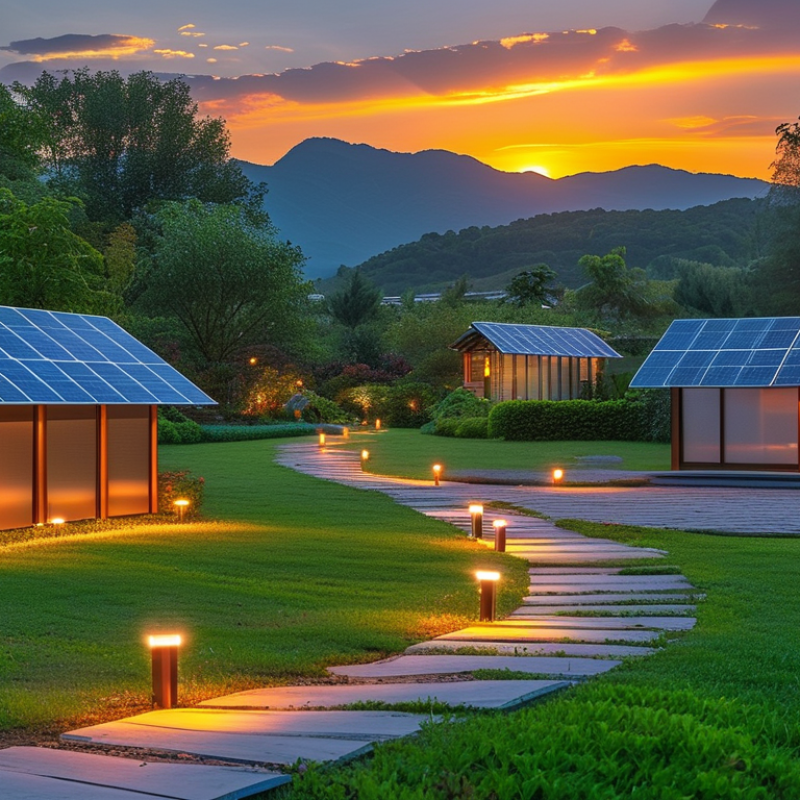
Solar LED garden lights are an innovative and eco-friendly option for outdoor lighting. These lights utilize solar panels to convert sunlight into energy. During the day, solar cells absorb sunlight and charge internal batteries. When night falls, the stored energy powers LED bulbs, providing illumination.
These lights come in various designs and sizes, making them versatile for gardens, paths, and patios. The installation process is simple. No wiring is required. Just place them in areas that receive ample sunlight. This ease of use makes them accessible for homeowners and garden enthusiasts. However, their effectiveness can be influenced by weather conditions. Overcast days may limit charging, leading to shorter illumination periods.
While solar LED garden lights are beneficial, there are a few drawbacks. The brightness may vary based on battery capacity and solar exposure. Some users find that cheaper models do not last long. It's essential to select high-quality products. Overall, they represent a sustainable choice in outdoor lighting, blending efficiency with environmental responsibility.
Components of Solar LED Garden Lights Explained
Solar LED garden lights are becoming increasingly popular for outdoor illumination. Understanding their components is essential for effective use. These lights typically consist of photovoltaic panels, LED bulbs, batteries, and sensors.
Photovoltaic panels convert sunlight into electricity. This process is efficient, with reports indicating that solar energy conversion can reach up to 22% in ideal conditions. LED bulbs are energy-efficient, consuming less power while producing bright light. They can last up to 25,000 hours, significantly outpacing traditional bulbs in both lifespan and efficiency. Batteries store energy, often using lithium-ion technology for durability. Sensors, such as motion detectors and dusk-to-dawn switches, enhance usability by automating the lights based on surrounding conditions.
When choosing solar LED garden lights, consider their placement. Position them where they receive direct sunlight for optimal charging. Regularly check the panels for dirt or debris that can block sunlight. This simple maintenance can improve performance and longevity. Additionally, explore different light intensities based on your garden's aesthetic and safety needs. Remember, while solar lights are eco-friendly, their efficiency largely depends on geographical location and seasonal changes in daylight. Consider trial-error approaches to find the best solution for your garden space.
How Solar LED Garden Lights Generate and Store Energy
Solar LED garden lights are innovative devices that combine solar energy with LED technology. They operate through a straightforward mechanism. During daylight hours, solar panels capture sunlight, converting it into electricity. This energy charges a battery within the light fixture. At night, the charged battery powers the LED bulbs, illuminating outdoor spaces efficiently.
These lights typically utilize a rechargeable battery, commonly lithium-ion or nickel-metal hydride. The capacity of the battery determines how long the lights will stay on during the night. Proper placement of the solar panels is crucial. Ensure they receive adequate sunlight during the day. Shadows from trees or buildings can diminish their efficiency.
Remember, not all solar lights are created equal. Some may degrade quicker than others in constant weather variations. Regularly check the battery life. Older batteries might not hold a charge effectively. You might find yourself replacing them more often than expected. Thoughtful analysis of your garden's layout and consistent maintenance can enhance the lifespan of your solar LED garden lights.
Installation Process of Solar LED Garden Lights
Installing solar LED garden lights can enhance your outdoor space effectively. The process is straightforward but requires careful attention to detail. Begin by selecting suitable locations. Choose spots that receive ample sunlight during the day. This ensures the lights will charge properly. Clear any debris or obstacles from these areas.
Next, prepare the lights for installation. Read the manufacturer's guidelines, as each light may have specific instructions. Most solar lights come with stakes for easy placement in the ground. Make sure the stakes are firmly in place to avoid instability. Pay attention to the angle and positioning of the lights; adjusting these can significantly impact the light's effectiveness at night.
After positioning the lights, check the solar panels. Ensure they are clean and free of dirt. A dirty panel can significantly reduce charging efficiency. Leave the lights in place for a day to test their performance. Reflect on how they illuminate your garden. If enhancements are needed, consider adjusting their height or angle. This hands-on approach leads to a better outcome and optimizes your garden's ambiance.
Benefits and Applications of Solar LED Garden Lights
Solar LED garden lights have gained immense popularity for gardening and outdoor decor. They offer a sustainable way to illuminate your garden while showcasing its beauty. The lights utilize solar energy, which is both eco-friendly and cost-effective. They harness sunlight during the day, converting it into electricity stored in rechargeable batteries. As night falls, these lights automatically turn on, providing a warm glow to your outdoor spaces.
The benefits of solar LED garden lights extend beyond just illumination. They enhance safety by lighting pathways and steps, reducing the risk of accidents. Homeowners appreciate the ease of installation. Without the need for electrical wiring, these lights can be placed anywhere. They also come in various designs, fitting different themes and styles. However, one should be mindful of their position. If placed in shaded areas, their efficiency may drop, affecting brightness.
Many people enjoy using them for decorative purposes. Solar garden lights can highlight specific plants or features, creating a magical ambiance. Their versatility makes them suitable for various applications, from private gardens to public parks. While they are generally low-maintenance, regular cleaning is necessary to ensure longevity. The changing weather can also impact their performance. Over time, battery efficiency may decline, leading to dimmer lights. Reflecting on these aspects can help users make informed choices.