Why is Machine Vision Essential for Modern Manufacturing?
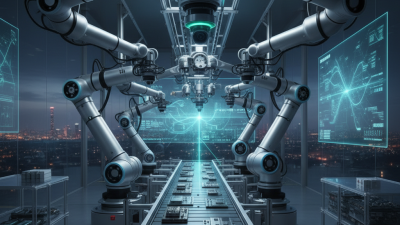
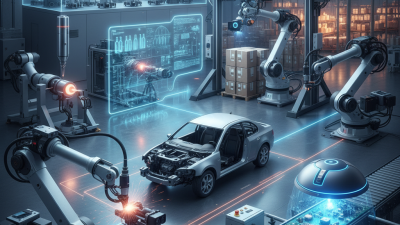
In today's competitive industrial landscape, machine vision plays a pivotal role in enhancing manufacturing processes. This technology involves the use of advanced cameras and sensors to analyze products in real-time. By detecting defects and ensuring quality, machine vision systems help factories maintain high standards. Moreover, they significantly reduce waste and improve efficiency.
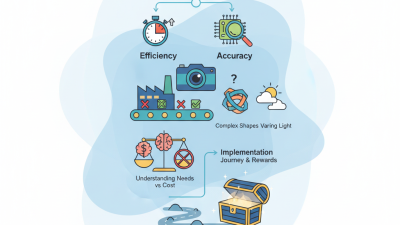
However, not all machine vision systems are perfect. Some may struggle with varying lighting conditions or complex part geometries. Manufacturers need to invest time and resources in system calibration. This investment can sometimes lead to unexpected challenges, demanding a continual reassessment of technology integration.
The importance of machine vision cannot be overstated. It allows for faster production lines and reliable quality assurance. Yet, companies must remain vigilant, recognizing that technology requires ongoing adaptation and improvement. As the industry evolves, machine vision will undoubtedly remain a cornerstone of modern manufacturing.
Understanding Machine Vision Technology in Manufacturing
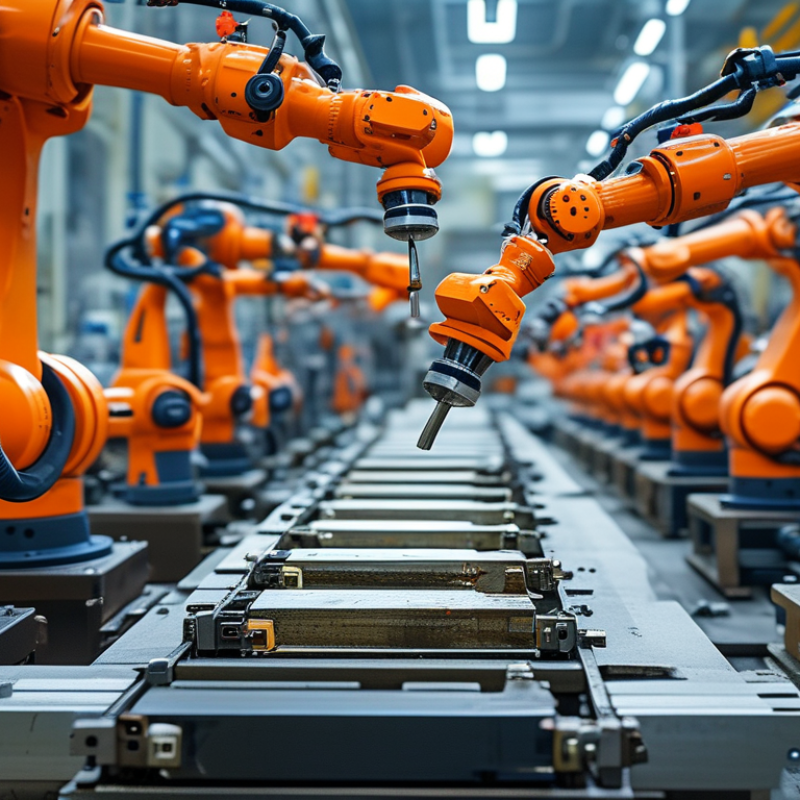
Machine vision technology plays a pivotal role in modern manufacturing. It enables automated systems to inspect products with incredible precision. Cameras and sensors capture images, which are then analyzed in real-time. This process ensures high quality and reduces waste. Manufacturers can detect defects that the human eye might easily miss. This leads to improved product reliability.
In addition to quality control, machine vision enhances production efficiency. Systems can operate continuously, allowing for consistent monitoring. This reduces the need for manual inspection. However, implementing such technology is not without challenges. Initial costs can be high, and setups may require expert knowledge. Companies often face a learning curve when integrating these systems.
In some cases, the technology may struggle with complex parts. Adjustments are often needed to ensure accurate readings. Over time, companies must continuously refine their processes. Despite these hurdles, the benefits of machine vision far outweigh the drawbacks. It is an essential tool for businesses aiming to thrive in a competitive landscape.
Why is Machine Vision Essential for Modern Manufacturing? - Understanding Machine Vision Technology in Manufacturing
| Application Area |
Technology Used |
Benefits |
Challenges |
| Quality Control |
3D Laser Scanning |
Ensures high quality and reduces defects |
Requires high calibration and maintenance |
| Automated Inspection |
Image Processing Algorithms |
Increases throughput and accuracy |
Initial setup can be complex |
| Assembly Verification |
Machine Learning |
Reduces human error and operational costs |
Requires extensive training data |
| Sorting and Classification |
Artificial Intelligence |
Enhances efficiency and material handling |
Can be affected by variations in product appearance |
Key Applications of Machine Vision in Modern Manufacturing Processes
Machine vision plays a crucial role in modern manufacturing by enhancing efficiency and accuracy. It enables automated quality control, eliminating human error. Cameras and sensors inspect products in real-time, detecting defects that the human eye might miss. Such systems can monitor dimensions, colors, and surface textures, ensuring only high-quality items reach the market.
In addition to quality control, machine vision aids in assembly processes. It provides precise guidance for robotic arms, optimizing placements and reducing assembly time. The ability to analyze complex data swiftly allows manufacturers to adjust production lines dynamically. However, implementing machine vision systems can be challenging. Integration with existing equipment may require significant adjustments.
Another vital application is product traceability. Machine vision can track items from raw material to finished goods. This capability enhances supply chain transparency, addressing accountability concerns. Despite the advantages, organizations must navigate data privacy and cybersecurity risks associated with extensive data collection. As technology evolves, focusing on these issues becomes essential for successful integration.
Benefits of Integrating Machine Vision in Production Lines
Machine vision plays a crucial role in modern manufacturing by enhancing efficiency and reducing errors. Integrating this technology empowers production lines to achieve higher accuracy in quality control. Automated inspections help identify defects, minimizing waste and lowering costs. This results in a significant boost to overall productivity, creating a more reliable manufacturing process.
Incorporating machine vision systems enables real-time monitoring of production quality. This can lead to faster responses to any anomalies. However, complete reliance on technology can sometimes overlook human expertise. Balancing automation with skilled operators remains essential to prevent potential oversights.
To maximize the benefits of machine vision, ensure proper training for staff. Understanding the technology helps workers troubleshoot issues promptly. Look for ways to continuously improve the integration process. Regular assessments can reveal gaps in performance, allowing for adjustments that enhance efficiency. Embracing this technology requires an ongoing commitment to learning and adaptation.
Challenges and Solutions in Implementing Machine Vision Systems
Implementing machine vision systems in manufacturing poses several challenges that require careful consideration. One major hurdle is the integration of these systems with existing processes. According to a report by the International Society of Automation, 51% of manufacturers face significant difficulties in integrating machine vision with current automation technologies. This can lead to delays and increased costs. The complexity of installation and adjustment can be daunting without expertise.
Another challenge lies in ensuring consistent performance. Environmental factors, such as lighting and equipment wear, can affect vision system accuracy. Studies show that 25% of machine vision failures are linked to inappropriate lighting conditions. Manufacturers must invest in reliable lighting solutions and regularly calibrate systems to maintain performance. Companies also need robust training programs for staff. Inadequate training can exacerbate error rates, showing that human oversight remains crucial.
Despite these challenges, solutions are emerging. Improved software algorithms enhance the adaptability of machine vision systems to various environments. Furthermore, the development of user-friendly interfaces makes training easier. Engaging with experienced partners for implementation can significantly reduce risks. Yet, many organizations still hesitate. Reflecting on these challenges can guide manufacturers in optimizing machine vision as an essential component of modern production.
Future Trends in Machine Vision and Their Impact on Manufacturing
The landscape of manufacturing is evolving rapidly, and machine vision is at the forefront of this transformation. As industries adopt automation, machine vision systems are becoming more sophisticated. They now provide faster and more accurate inspections than ever before. Cameras are equipped with better sensors and advanced algorithms. This enhances defect detection in production processes, which was not possible with human oversight alone.
Future trends in machine vision include the integration of artificial intelligence. AI-powered systems can learn from past data, improving their accuracy over time. They can identify patterns that human operators might miss. However, this raises questions about reliability and the potential for over-reliance on technology. Engineers must continuously review these systems. It’s important to ensure they complement human skills rather than replace them.
Another trend is the use of 3D imaging technologies. These systems offer detailed insights about product shapes and sizes. However, the complexity of data interpretation can lead to misjudgments if not handled carefully. Manufacturers need to invest in training their workforce to understand these technologies fully. Embracing these advancements can drive efficiency, but caution is essential. Balancing machine capabilities with human expertise is paramount for success.