How to Choose the Right Pneumatic Cylinder in 2026?

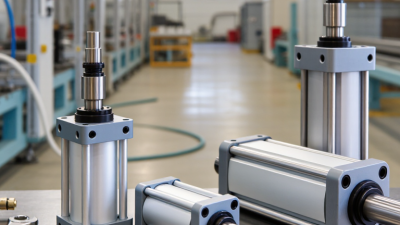
Choosing the right pneumatic cylinder in 2026 requires more than matching a bore size to a catalogue picture. The correct choice depends on load, stroke, speed, air pressure, mounting position, duty cycle, and working conditions. A cylinder moving a clean carton behaves differently from one pushing metal parts beside coolant, dust, or vibration. Small details matter. A two-millimetre miscalculation can cause impact, leakage, or premature seal wear.

This guide explains how experienced engineers evaluate a pneumatic cylinder before installation. It covers force calculations, cushioning, rod diameter, guidance, mounting styles, sensors, and air quality. Manufacturer data should support every decision, including rated pressure, temperature limits, side-load restrictions, and expected service life. Recognised technical standards can improve consistency, but they do not replace application testing or professional review. Real machines often behave differently from drawings. That is easy to forget.

A practical selection process begins with the actual movement, not the cheapest available model. Measure the load. Record the required stroke. Check the available air pressure during peak demand. Consider corrosion, washdown, noise, and maintenance access. A larger cylinder is not always safer. It may consume more air and create harder impacts. A smaller cylinder may stall under changing loads.

Some decisions remain uncertain until the cylinder operates under real conditions. Prototype testing is valuable. So is listening to maintenance teams. Their experience often reveals problems hidden by specifications. With careful verification and honest reflection, buyers can select equipment that performs reliably, safely, and efficiently throughout 2026.
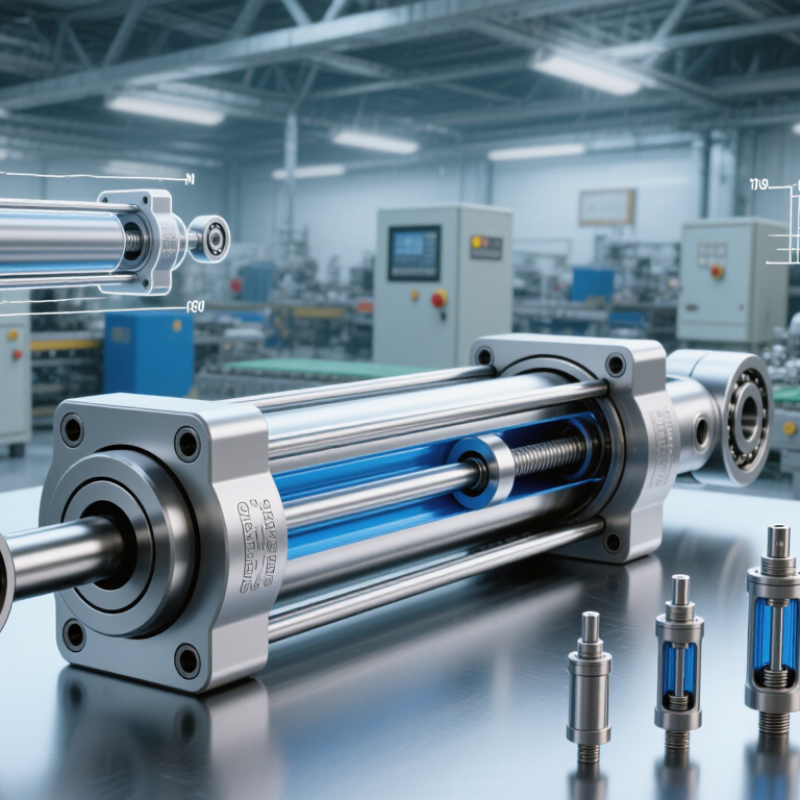
How to Choose the Right Pneumatic Cylinder in 2026?

What a Pneumatic Cylinder Does and Where It Fits in a System

How to Choose the Right Pneumatic Cylinder in 2026?

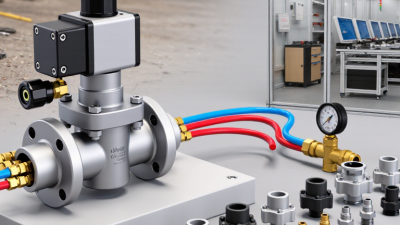
A pneumatic cylinder converts compressed air into straight-line motion. Air enters one chamber, pushes a piston, and moves a rod. The rod then drives a gripper, slide, clamp, gate, or lifting mechanism. Its location matters. A cylinder sits at the machine’s final motion point, while valves control air direction and flow upstream. Tubing connects these parts, and sensors confirm position. The neat diagram lies. Real installations include vibration, contamination, misalignment, and pressure losses.

Selection begins with the task, not the catalogue. Measure required force, stroke, speed, duty cycle, mounting space, and side loading. The U.S. Department of Energy reports that compressed air can consume 10% to 30% of industrial electricity. Poor sizing can increase this burden. Bore size affects force, while stroke affects travel distance. A cushioning option can prevent harsh impacts at the end of movement. That small detail often protects both the cylinder and the frame.

The International Energy Agency reported that industry used about 37% of global final energy in 2022. Efficient pneumatic design therefore deserves practical attention. Specify clean, dry air, following ISO 8573-1 requirements where necessary. Check the actual operating pressure, not only the compressor rating. I have seen oversized cylinders move slowly and waste air. Smaller is not always better. Reliability also depends on alignment, mounting rigidity, sealing, and accessible maintenance. Market forecasts may suggest strong automation growth, but each application still needs measured evidence.

How to Define Load, Speed, Stroke, and Motion Requirements

How to Choose the Right Pneumatic Cylinder in 2026?

Define the load before comparing cylinder sizes. Include the moving mass, friction, tooling weight, and any external resistance. A horizontal slide may need less force than a vertical lift. Gravity changes the calculation. Use the working air pressure, not the compressor’s maximum rating. Calculate theoretical force from bore area and pressure, then apply a practical safety margin. Real systems lose force through friction, seals, misalignment, and pressure drops.

Speed requires more than a target number. Specify the required extension and retraction times. Check the airflow, valve capacity, tubing length, and exhaust path together. A fast cylinder can still move poorly with restricted fittings. Use adjustable cushioning when the piston stops against a heavy load. I often recheck acceleration and deceleration, because a smooth cycle matters more than peak speed. That detail is easy to miss.

Stroke should match the actual travel, including transfer clearance and end-position tolerance. Avoid using the cylinder rod as a guide for side loads. Add external guidance when the fixture can twist or bend. Then define the motion pattern: push, pull, clamp, lift, oscillate, or position. Intermittent motion may allow different heat and wear assumptions than continuous cycling. Measure the load at its worst position. Estimates can be wrong. A short test with the real fixture may reveal vibration, bounce, or insufficient holding force before installation.

How to Select the Right Cylinder Type and Construction

Choosing the right pneumatic cylinder starts with its type, not its price. The International Federation of Robotics reported 541,302 industrial robots installed worldwide in 2023. More automation means cylinders face faster cycles and less tolerance for failure.

Start with the load. A double-acting cylinder suits controlled extension and retraction. A single-acting model may work for simple return movements. Not always. For vertical loads, calculate gravity, friction, acceleration, and safety margin. A short stroke can still need a large bore. Check the real operating pressure, not the compressor’s advertised maximum.

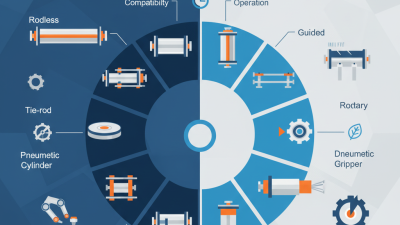
Construction matters just as much. Tie-rod cylinders are practical for maintenance and repeated industrial use. Profile cylinders save space, but their internal design can complicate repairs. Round cylinders fit compact machines and light-duty applications. Choose stainless construction for washdown or corrosive environments. Standardized dimensions, such as those covered by ISO 15552, can simplify replacement planning.

Seal material, rod coating, cushioning, and mounting style deserve equal attention. The U.S. Department of Energy notes that compressed air commonly consumes 10–15% of industrial electricity, while leaks may waste 20–30% of compressor output. An inefficient cylinder adds to that hidden cost. A neat catalogue choice may be wrong. Measure cycle time, side load, temperature, and contamination first. A perfect calculation is rare. Leave room for actual machine behavior.

How to Match Bore Size, Rod Design, and Operating Pressure

How to Choose the Right Pneumatic Cylinder in 2026?

Match bore size to the real load, not the catalog headline. Use Force = Pressure × Piston Area. At 6 bar, a 50 mm bore produces about 1,178 N theoretically. Friction reduces that figure. I usually reserve 10–20% capacity, though this margin needs testing. The U.S. Department of Energy’s Improving Compressed Air System Performance report notes that leakage can waste 20–30% of compressor output. A larger bore cannot fix an undersized air supply.

Rod design matters when loads are not perfectly centered. A longer stroke increases buckling risk, especially during pushing. Choose a larger rod for heavy loads, but check reduced retracting force. Add external guides for side loads. Do not let the cylinder guide the machine alone. That mistake causes premature seal wear. A practical test includes slow-speed operation, repeated stops, and measurement at the actual pressure.

Operating pressure should reflect the machine’s weakest point. A nominal 6 bar network may fall during simultaneous valve movements. Check pressure at the cylinder inlet, not only at the compressor. ISO 4414 emphasizes safe pneumatic-system design, while ISO 8573-1 defines compressed-air quality classes. Contaminated air shortens service life. My first sizing review focused too much on force and missed cushioning. That was expensive. Select adjustable cushioning when the piston carries noticeable kinetic energy, particularly with long strokes and high cycle rates.

How to Check Installation, Environment, Maintenance, and Safety Needs

Choosing a pneumatic cylinder in 2026 starts with the rod load, stroke, speed, and mounting space.

Then inspect the real installation, not only the drawing. A side-loaded rod may wear early, even when calculations look correct. During commissioning, check alignment with a straightedge, tighten fittings, and confirm cushioning at both ends. Leave room for adjustment. That detail is often missed. ISO 4414 requires pneumatic systems to address foreseeable hazards, pressure control, and maintenance access. Use a guarded exhaust where noise or motion could injure nearby workers.

Environment changes selection. Moisture, dust, washdown chemicals, heat, and cold can attack seals, rods, and sensors. Specify suitable materials and protection before ordering.

ISO 8573-1 classifies compressed-air purity by particles, water, and oil. The air class should match the cylinder’s duty. In outdoor or corrosive areas, verify actual exposure cycles rather than trusting a generic rating.

Ask an uncomfortable question: will the cylinder see more water than the catalog test?

That answer may change rod coating, seal material, and mounting position.

Maintenance is a design requirement, not an afterthought.

The U.S. Department of Energy’s compressed-air sourcebook reports that leaks can waste 20–30% of compressor output. Use ultrasonic checks, pressure gauges, and written inspection intervals. Check rod scoring, loose mounts, slow strokes, and unusual exhaust noise. Install isolation and pressure-release points before servicing. Keep records. I prefer a conservative safety factor, but mine can become excessive without measured loads. Test the cylinder under the worst credible load, temperature, and cycle rate. Real conditions are rarely tidy.

Scroll to Top