How to Choose the Best Internet Of Things IOT Trainer?

Choosing the best Internet Of Things (IOT) Trainer requires more than checking certificates or viewing an attractive course page. A strong trainer connects sensors, networks, cloud platforms, and business outcomes through practical examples. They should explain complex systems clearly, without hiding behind technical language. More than theory.

Kevin Ashton, the technology pioneer credited with coining the term “Internet of Things,” said, “The Internet of Things has the potential to change the world, just as the Internet did. Maybe even more so.” His observation highlights the scale of IoT and the responsibility of teaching it accurately. A reliable Internet Of Things (IOT) Trainer should understand this wider impact. They should also demonstrate experience with real devices, data security, connectivity failures, and changing industry standards.

Look for evidence of hands-on work. Ask whether the trainer has built or managed IoT projects. A useful course might include a temperature sensor, a gateway, dashboard readings, and a brief troubleshooting exercise. Small details matter. Can the trainer explain why a device disconnects? Can they discuss data privacy without making unrealistic promises? These questions reveal genuine expertise.

No trainer is perfect. That matters. Some instructors may understand hardware but struggle with teaching. Others may present polished slides without meaningful project experience. A thoughtful choice should consider communication, updated materials, learner support, and transparent outcomes. Reviews can help, but they should not replace direct questions. The best trainer encourages careful testing, admits uncertainty, and connects each lesson to measurable skills. That balance makes IoT learning practical, trustworthy, and relevant.
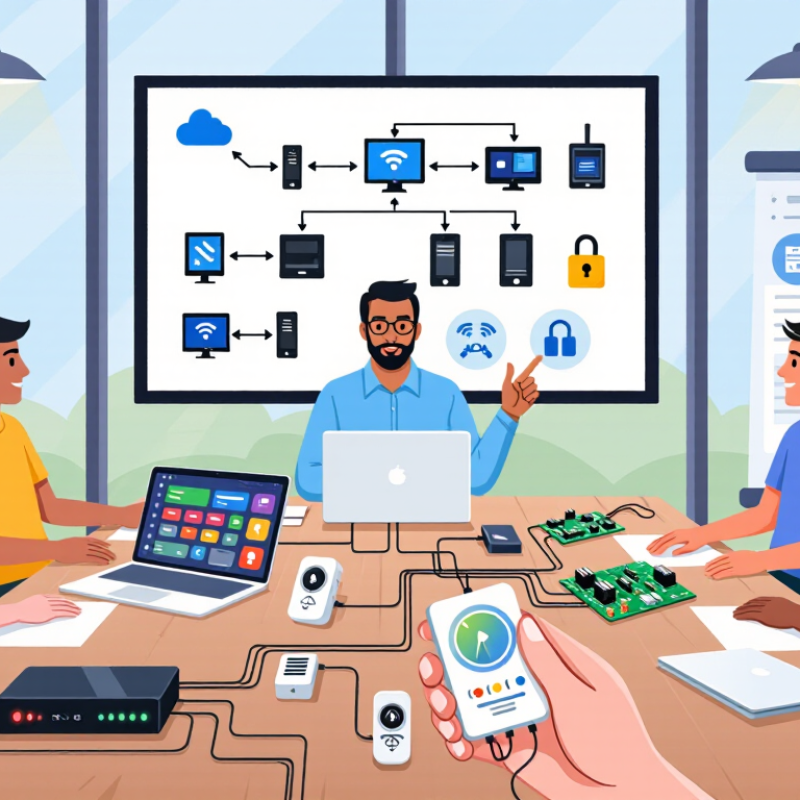
How to Choose the Best Internet Of Things IOT Trainer?

Define Your IoT Training Goals and Learning Requirements

How to Choose the Best Internet Of Things IOT Trainer?

Define Your IoT Training Goals and Learning Requirements

Choosing an IoT trainer starts with a clear learning target. Decide whether you need practical skills, system design knowledge, or workplace certification. A beginner may need sensor wiring, data collection, and basic network concepts. An experienced engineer may require edge processing, device security, and scalable architecture.

Write down the tasks you expect to perform after training. Will you connect temperature sensors, analyze device data, or manage remote updates? Specific tasks help you judge a trainer’s teaching depth. Ask for a sample lesson, lab outline, and assessment method. Reliable trainers explain how learners practice each skill, not just what topics they mention.

Real projects reveal more than polished slides. Look for exercises using circuit boards, dashboards, network logs, and troubleshooting records.

I once joined a course with impressive theory but limited hands-on work. The training felt useful at first, yet I could not diagnose a failed connection afterward. That gap changed how I evaluate instructors.

Check the trainer’s engineering experience, teaching history, and understanding of current standards. They should explain risks clearly, including weak passwords, unsafe updates, and exposed data. Good instruction also welcomes questions and admits uncertainty when a solution depends on context. Your schedule, budget, prior knowledge, and preferred learning style matter too. Be honest about them. Your plan may still need revision.

Assess the Trainer’s IoT Knowledge and Professional Experience

How to Choose the Best Internet Of Things IOT Trainer?

A strong IoT trainer should explain the complete device journey, not only sensor coding. They should connect hardware, networks, cloud platforms, analytics, and security. IoT Analytics reported approximately 16.7 billion connected IoT devices worldwide in 2023. Its 2024 outlook estimated 18.8 billion devices. The scale is enormous.

Ask the trainer to explain a real deployment using concrete details. They should discuss sensor calibration, communication protocols, edge processing, battery limits, and failure recovery. Request anonymized project evidence, such as a factory temperature system or a water-monitoring network. A credible trainer can describe the original problem, technical decisions, measured results, and later improvements. Be cautious with perfect stories. Real projects usually include delays, unstable signals, or incomplete data.

Security knowledge is essential. The International Telecommunication Union’s Global Cybersecurity Index emphasizes organizational capability, technical measures, and incident management. A qualified trainer should explain device identity, secure updates, access control, and data protection in practical language. Ask how they would respond when one sensor sends abnormal readings. The answer matters.

Test their teaching, too. Give them a basic architecture diagram and request a ten-minute explanation. Listen for accuracy and clarity. Some experts know IoT deeply but teach poorly. I would not ignore that weakness. A trainer should welcome questions, admit uncertainty, and update lessons when standards or field conditions change.

How to Choose the Best Internet of Things (IoT) Trainer?

Assess the trainer across the main IoT competency areas: device engineering, connectivity, data processing, security, system integration, and practical teaching experience. The scores use a 0–5 evaluation scale, where 5 indicates strong demonstrated knowledge and professional experience.

Examine the Training Methods, Tools, and Learning Resources

A strong Internet of Things trainer should teach through practical work, not slides alone. Look for sessions that combine short explanations with guided experiments. Learners might connect a temperature sensor, inspect data, and troubleshoot a failed reading. This sequence reveals whether the trainer understands real development problems. Ask how safety, privacy, and device security are included in each exercise.

The training tools should match the learning goals. A beginner may need a simple circuit board, sensors, wiring diagrams, and a simulation platform. More advanced learners should use network monitors, dashboards, data logs, and debugging tools. Good trainers explain why each tool matters. They should also show alternative methods when equipment is unavailable. I once followed a course that offered impressive demonstrations but no downloadable files. Practice became difficult after class.

Reliable learning resources make the training easier to verify. Check whether lessons include updated technical documentation, protocol references, sample code, quizzes, and clearly explained project files. Independent exercises are valuable. A learner should build a small system, record its results, and explain possible faults. Look for trainers who cite recognized technical standards and correct outdated advice openly. Reviews can help, but they should not replace a sample lesson or direct questions. Ask how feedback is delivered. Fast feedback matters. Still, no course is perfect. A trainer may explain hardware clearly but provide weak guidance on data analysis. Notice that gap before enrolling.

Verify Practical Projects, Industry Applications, and Student Support

Choosing an IoT trainer requires more than checking certificates or polished course pages. Ask to see completed student projects, not only demonstrations. A useful project should connect sensors, communication protocols, data storage, and a working dashboard. It should also include testing, documentation, and basic security controls. For example, students might monitor room temperature, detect equipment vibration, or track water usage. The trainer should explain why each component was selected. Practical details matter.

Industry applications reveal the trainer’s depth. Look for experience with manufacturing, agriculture, logistics, energy, or approved healthcare environments. Ask how the trainer handles unreliable networks, battery limits, device maintenance, and privacy requirements. Strong instructors discuss trade-offs instead of promising perfect results. Some projects look impressive but teach little. That is worth questioning. A reliable trainer can describe a failed deployment and the changes that followed. This shows experience, not just theory.

Student support can determine whether technical skills develop. Check whether the trainer provides code reviews, troubleshooting sessions, clear project milestones, and timely feedback. A helpful support system should guide students without completing the work for them. Ask how beginners receive assistance when a sensor gives inconsistent readings. Ask how advanced learners receive more difficult tasks. Good trainers update materials when tools or standards change. Even experienced teachers may overlook confusing instructions. Student feedback should lead to visible improvements, not disappear into a survey form.

Compare Trainer Credentials, Course Value, and Overall Suitability

How to Choose the Best Internet Of Things IOT Trainer?

Trainer credentials should extend beyond certificates. Look for recent work with sensors, gateways, cloud platforms, and device security. A strong trainer can explain MQTT messages, firmware updates, and gateway logs without hiding behind jargon. IoT Analytics reported 16.6 billion connected IoT devices worldwide in 2023, with 18.8 billion forecast for 2024. That scale demands practical instruction, not only slides.

Course value depends on what learners actually build. A useful program should include a temperature sensor, network troubleshooting, data visualization, and a controlled security exercise. NIST’s IoT cybersecurity guidance emphasizes device identity, secure updates, and vulnerability management. Ask whether the trainer teaches these areas through documented labs and measurable assessments. A certificate alone proves little. I have seen polished courses with weak practice time. That is a warning.

Overall suitability depends on your starting point and work setting. Beginners may need wiring diagrams and patient feedback. Experienced engineers may need architecture reviews, device fleets, and compliance discussions. Check class size, lab access, response times, and project relevance. A trainer who has deployed systems can describe failed connections, noisy readings, and delayed alerts. That honesty matters. Review sample lessons, learner outcomes, and refund terms before enrolling. The best fit is not always the most decorated instructor.

How to Choose the Best Internet Of Things IOT Trainer? - Compare Trainer Credentials, Course Value, and Overall Suitability

Evidence-based evaluation framework for comparing IoT trainers and training programs

Evaluation Dimension Recommended Weight What Strong Evidence Looks Like What to Verify Before Enrollment Suitability Indicator
Hands-on IoT Experience 20% At least 3 years of practical work involving connected devices, sensors, gateways, device management, or telemetry systems. Review project descriptions, technical responsibilities, deployment scale, and the trainer's role in troubleshooting or system design. High priority
Technical Coverage 15% Balanced coverage of sensors, embedded systems, networking, cloud or edge processing, data handling, and device security. Check whether the syllabus includes architecture, communication protocols, data flows, testing, monitoring, and maintenance. High priority
Networking Knowledge 10% Clear understanding of IP networking, wireless connectivity, message-based communication, bandwidth, latency, and reliability. Confirm that learners practice network diagnosis and compare protocols according to range, power use, payload size, and operating conditions. High priority
Security Competence 15% Practical instruction on identity, authentication, encryption in transit, secure updates, access control, secrets management, and threat modeling. Look for security labs, secure-by-design principles, device lifecycle controls, and examples of common IoT attack surfaces. High priority
Teaching Experience 10% Documented experience teaching adults, engineers, students, or cross-functional teams with clear learning outcomes. Request a sample lesson, learner feedback, assessment methods, and the trainer's approach to explaining complex systems. High priority
Relevant Credentials 10% Recognized education or professional training in electronics, computer science, embedded systems, networking, cybersecurity, or a related field. Verify credential relevance, issue date where applicable, practical experience, and whether qualifications support the actual course content. Important
Project-Based Learning 10% Students build or analyze a complete workflow, such as sensing, transmission, processing, visualization, alerting, and maintenance. Confirm access to lab equipment, simulators, development tools, source materials, testing tasks, and a final project rubric. High priority
Course Structure and Materials 5% Current lessons, organized modules, measurable objectives, readable documentation, exercises, assessments, and troubleshooting guidance. Check the publication or revision date, lesson sequence, estimated workload, downloadable resources, and support arrangements. Important
Learner Support 5% Timely responses, structured feedback, office hours, technical discussion channels, and a clear process for resolving lab issues. Ask about response times, support duration, feedback on assignments, accessibility, and whether assistance is included in the fee. Important
Overall Value 100% total score Course outcomes, practical access, trainer expertise, support, duration, and total cost are aligned with the learner's goals. Compare the total learning benefit rather than price alone. Include equipment, software, assessments, support, and time away from work. Final decision factor

Suggested scoring method: Rate each dimension from 1 to 5, multiply the rating by its recommended weight, and compare the weighted totals. A strong trainer should demonstrate both current technical practice and the ability to turn that knowledge into safe, measurable, hands-on learning.

Scroll to Top