Choosing Garden Sun Screen Netting is not just a matter of picking the darkest mesh. The right option depends on your plants, climate, and garden layout. A vegetable bed may need filtered light, while a patio or greenhouse can benefit from denser coverage. Small details matter.
This guide compares ten common netting types, including knitted and woven options, different shade levels, and materials designed for varied outdoor conditions. It explains what buyers can check: mesh density, dimensions, UV-treatment information, edge reinforcement, and how the netting attaches to posts or frames. A close look at the label helps, but product descriptions do not always make comparisons easy.
Think about wind, too. A large, tightly fitted screen can catch gusts, so secure fixing points and sensible sizing are important. Consider whether you need seasonal shade, a movable cover, or longer-term protection. Each choice has trade-offs. There is no single best net for every garden, and shade percentages alone cannot predict how plants will respond. Local sunlight, airflow, and watering habits also affect results. The following overview offers practical points for comparing products, while leaving room for a little trial and adjustment in your own space.
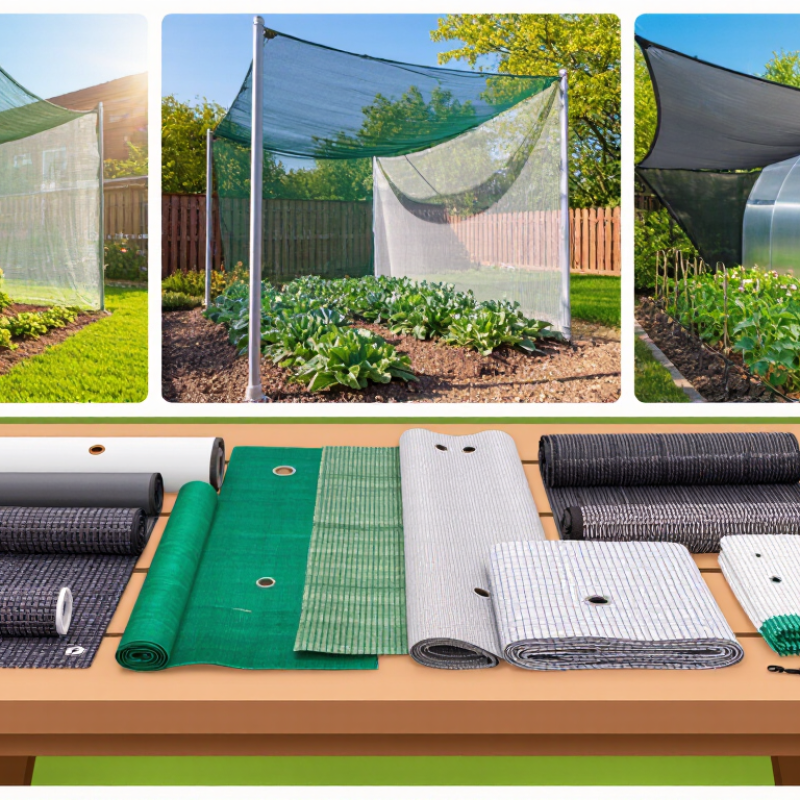
Garden sun screen netting is a breathable cover that reduces direct sunlight reaching plants. It can help limit leaf scorch and midday heat stress, especially in exposed beds or small greenhouses. It is not the same as insect netting. Shade cloth has openings designed for airflow and light control; fine insect mesh is chosen to block particular pests.
Common options include knitted or woven netting, different shade levels, and reflective or colored fabrics. Choose by observing the garden: leafy greens may benefit from more shade during hot spells, while tomatoes and peppers still need plenty of light. There is no perfect percentage for every crop or climate. That part is easy to misjudge.
Use netting over a frame rather than laying it directly on delicate leaves. Leave space for air to move, and secure the edges so gusts do not lift the cover. Check plants at midday and again after several days. If growth becomes pale or stretched, too much light may be blocked; if leaves still curl in strong sun, the cover may be too light. Netting can also make watering less predictable, since rainfall may not pass through evenly. One small detail, often overlooked.

Shade percentage estimates how much sunlight a net blocks, but it does not tell the whole story. A 30% shade net can suit leafy greens that need bright, filtered light. Tender seedlings or heat-stressed plants may benefit from heavier shade. Watch the leaves during the hottest part of the day: curling or pale patches can signal that the setup needs adjustment. Check the label. Testing methods can vary, so treat the stated percentage as a guide, not a guarantee.
Material affects durability and airflow. UV-stabilized polyethylene is common because it is lightweight and resists sun damage better than untreated plastic. Still, quality differs. Thin netting may stretch or tear where it rubs against a frame, especially in wind. Feel the mesh and inspect the edges before buying. Small detail, big effect.
Weave controls how light, air, and rain pass through. Knitted netting tends to flex and may resist runs after a small snag; woven styles can feel firmer but may fray at cut edges. Tighter meshes often create more shade, yet they can also reduce airflow and trap heat. A percentage alone can mislead. Compare the net’s opening size, intended crop, and local conditions, then test a small area before covering an entire bed.
Garden shade netting is easier to compare by construction than by color. Design influences airflow, shade consistency, and how well a panel holds its shape. Woven options include flat-tape netting, with broad ribbons that create strong shade; monofilament netting, made from thin, round threads; leno-weave netting, whose twisted threads help resist shifting; square-grid netting, with regular openings; and diamond-mesh netting, which stretches slightly across uneven frames. Look closely at the weave. Loose edges can fray.
Knitted designs include Raschel netting, a flexible mesh often used for large garden covers; knitted-tape netting, which uses flat strips for denser shade; and reinforced knitted netting, which adds stronger bands or borders at stress points. Reflective-faced netting forms another type, with a bright surface that can reduce direct heat on exposed beds. Striped netting alternates bands of denser and more open material, creating patches of stronger and softer shade. The stripes may not line up neatly when panels are joined.
For comparison, inspect the actual openings rather than relying only on product descriptions. A small mesh can block more wind and light, while an open pattern may suit a breezier site. Check the edges. Measure the frame before choosing a panel, and allow room for ties or clips. Shade performance varies with sun angle, installation height, and fabric wear, so a sample can be useful. I would not assume two nettings with similar colors behave alike.
Garden screen netting varies in durability, setup, and the light it leaves for plants. Knitted HDPE netting resists tearing and suits beds exposed to wind. Woven polyethylene can provide firm shade, but rough edges may fray if cut carelessly. Reflective aluminized netting helps reduce heat on scorching afternoons; darker netting often creates deeper shade. White and green options soften sunlight, though color alone does not tell you how much light plants receive.
Fine insect mesh blocks small pests but can restrict airflow, so watch for damp leaves after rain. Bird netting is lightweight and easy to drape, yet it needs taut edges to prevent sagging. Windbreak mesh handles breezy sites, while heavier shade cloth may need stronger supports. Installation matters. Secure corners to sturdy posts, leave room for airflow, and check ties after gusty weather. Leafy greens often tolerate more shade than fruiting crops such as tomatoes. It is easy to over-shade a bed by choosing netting from appearance alone.
Tips: Compare shade ratings, not just colors. Check the mesh against the midday sun before covering every plant. A small test section helps. Inspect seams and fasteners regularly; even durable fabric can fail at weak attachment points. I would not assume one net suits the whole garden—some trial and adjustment may still be needed.
Comparing durability, installation, and plant suitability
Scores are indicative comparisons on a 1–5 scale, where 5 is the strongest or easiest; they are not standardized laboratory measurements. Actual performance depends on fabric weight, weave, UV treatment, mounting, climate, and crop. Check the net’s stated shade factor and select it for the plants’ light requirements.
Top 10 Garden Sun Screen Netting Types for Buyers
Choosing Netting for Your Garden, Climate, and Budget
The right garden netting depends less on a ranking than on what your plants face each day. In hot, exposed beds, knitted shade cloth can soften afternoon sun while allowing air to move. Check the shade percentage: a dense cloth may protect lettuce but leave fruiting plants short of light. Start with one small section. Observe it for a week.
Climate matters just as much. In windy areas, choose a reinforced edge and secure the netting at several points; loose fabric can flap against leaves. Woven polyethylene often suits longer seasonal use, while lighter mesh can be easier to handle and store. For insect pressure, fine mesh helps block small pests, but it can also reduce airflow. In humid weather, that trade-off deserves attention.
Your budget should include fasteners and replacement, not just the roll price. Bird netting, frost fabric, and shade cloth solve different problems, so one material rarely does everything well. Measure the bed before buying, and leave enough slack to lift the cover for watering and harvest. I would avoid buying the thickest option automatically; I have seen gardeners pay more for protection their plants did not need. But local conditions can surprise you. Inspect seams and UV-resistance details, then compare the expected season of use with the cost.
Get in Touch
570 Alden Road Unit #10, Markham Ontario Canada, L3R 8N5
Quick Links
Featured Products
Industries