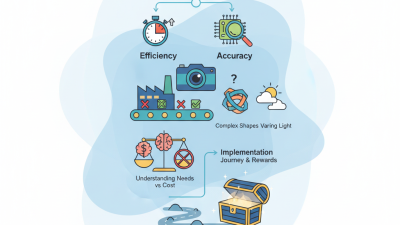
In today's fast-paced business environment, choosing the right automation solutions is crucial. Automation can enhance efficiency and cut costs significantly. However, not every solution fits every business. Understanding your unique needs is important before making any decisions.
Many organizations rush into automation without a clear plan. They often overlook key factors that can impact effectiveness. For instance, compatibility with existing systems is essential. Businesses must also consider the scalability of solutions to accommodate future growth. Seeking the right balance can be challenging.
Moreover, evaluating vendor support and user experience can save companies from potential headaches. Automation solutions come with varying levels of complexity. It is vital to ensure your team can adapt without extensive training. Additionally, disregarding feedback can lead to poor implementation. As you navigate this process, keep your goals in focus. Your choice should align with long-term strategies to achieve success.

Understanding your business needs is crucial when selecting automation solutions. Each organization has unique challenges. You must identify these before diving into options. Analyze your workflow and pinpoint bottlenecks. Gather feedback from team members. They can provide insights that highlight specific pain points.
Consider what tasks consume the most time. Are these repetitive activities? If so, automation can save hours. Also, evaluate your budget. Sometimes, the cheapest option may not fit your long-term goals. Investing in quality solutions might be wiser.
Not all automation tools are created equal. What works for one company might not suit another. Be wary of over-automation. Some processes still require a personal touch. Striking the right balance can be tricky, yet it’s essential. Regularly assess your choices and stay open to adjustments as your needs evolve.
| Tip No. | Tip Description | Consideration Factor | Expected Outcome |
|---|---|---|---|
| 1 | Evaluate Business Processes | Identify repetitive and time-consuming tasks | Improved efficiency and productivity |
| 2 | Define Clear Goals | Set specific objectives for automation | Alignment of automation efforts with business strategy |
| 3 | Research Available Solutions | Analyze different automation tools and platforms | Informed decision-making on choice of technology |
| 4 | Consider Scalability | Choose solutions that can grow with your business | Long-term viability of automation investments |
| 5 | Assess Integration Capabilities | Ensure compatibility with existing systems | Seamless functionality across platforms |
| 6 | Evaluate User Experience | Focus on ease of use and employee training | Higher adoption rates among staff |
| 7 | Consider Support and Maintenance | Look for reliable vendor support options | Reduced downtime and operational interruptions |
| 8 | Analyze Cost vs. Benefit | Weigh financial implications of automation | Maximized return on investment |
| 9 | Pilot Testing | Run a trial phase before full implementation | Identify potential issues early |
| 10 | Review and Adapt | Continuously assess performance and make changes | Ongoing improvement and optimization |
When evaluating different automation technologies and tools, it’s crucial to understand your specific needs. Consider what tasks you wish to automate. Identify bottlenecks in your current processes. This can help clarify which solutions might be beneficial. Some tools excel in process automation, while others improve workflow efficiency. Assessing your requirements allows for informed decision-making.
Another important factor is ease of integration. How well will the new tool work with your existing systems? Disruption during implementation can cause delays and setbacks. Examine compatibility closely. Look for user feedback on the learning curve associated with each tool. It's also wise to pilot a few options. Experimentation helps unveil hidden challenges and necessary adjustments.
Price is often a sticking point. Weigh the costs against the potential benefits. Some tools may seem expensive upfront but save money in the long run. Conversely, low-cost options might lack essential features. Don’t overlook the possibility of hidden expenses. Support and training can add to overall costs. Reflecting on these aspects can help avoid regrettable decisions.
This bar chart illustrates the importance rating (on a scale of 1 to 10) of various factors to consider when choosing automation solutions. It helps in understanding which aspects are deemed most critical by users.
When selecting automation solutions, scalability and flexibility are crucial factors. Scalability ensures that the system can grow alongside your business. It should handle an increase in workload without significant changes. For example, if your business doubles in size, the solution should adapt seamlessly. A rigid system may become a bottleneck, hindering progress.
Flexibility is just as important. Your automation needs may evolve. It's vital to choose a solution that can easily integrate new technologies or processes. A system that allows for customization will better meet unique requirements. However, too much flexibility can lead to complexity. It is essential to balance adaptability with ease of use.
Finding the right fit is challenging. Some solutions may promise everything but fall short in practical applications. Trials are beneficial. Always test the scalability and flexibility of a solution before making a commitment. Consider potential pitfalls during the evaluation process. Sometimes, what looks good on paper may fail in real scenarios, requiring careful reflection on your choices.
When evaluating automation solutions, it's vital to analyze their cost-effectiveness and potential ROI. Start by calculating the initial investment required. This includes hardware, software, and any necessary training. Focus on understanding all associated costs. Hidden expenses can sneak up on you. For instance, ongoing maintenance fees may crop up unexpectedly. Be aware of these factors before making a decision.
Next, consider the impact on productivity. How will automation affect your workforce? It's important to estimate the time savings from automating repetitive tasks. Some may find it difficult to transition. Employees might worry about job security. You should address these concerns openly. Positive communication can lead to smoother implementation. Additionally, evaluate the qualitative benefits. Enhanced employee satisfaction could arise from freed-up time for more engaging work.
Finally, assess your expected returns over time. Establish clear metrics to measure success. Are your expected savings realistic? Periodically review your automation's performance. Adjust your approach if necessary. Automation is not a one-size-fits-all solution. Continuous improvement is key. Being critical of your initial choices can lead to better outcomes in the long run.
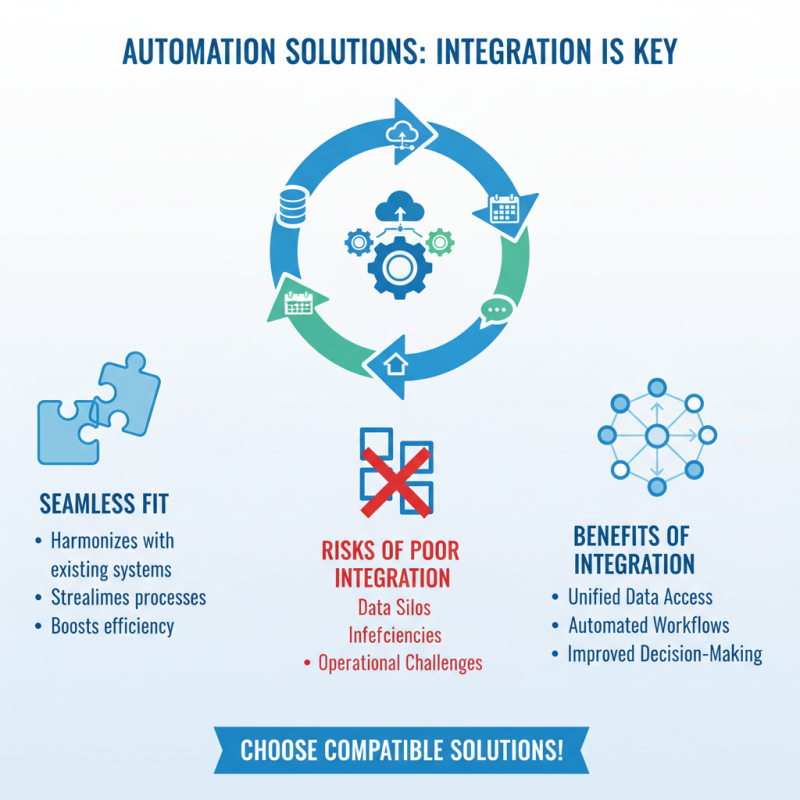
When selecting automation solutions, integration capabilities are crucial. You want a system that harmonizes with what you already use. If it doesn’t fit seamlessly, you'll face challenges. Data silos can form, leading to inefficiencies. A solution that easily connects with existing software helps streamline processes.
One effective practice is to assess your current systems. Identify which tools are essential and how data flows. This understanding aids in selecting automation that complements them. Ensure the new solution offers APIs or other integration methods. These features facilitate smooth communication between systems.
Also, consider the future. Will the solution adapt as your needs change? Flexibility is key. Sometimes, a tool might excel in one area but fall short in another. Regularly reviewing both old and new systems can uncover hidden issues. Reflection in this area is necessary; it drives continuous improvement.
Get in Touch
570 Alden Road Unit #10, Markham Ontario Canada, L3R 8N5
Quick Links
Featured Products
Industries