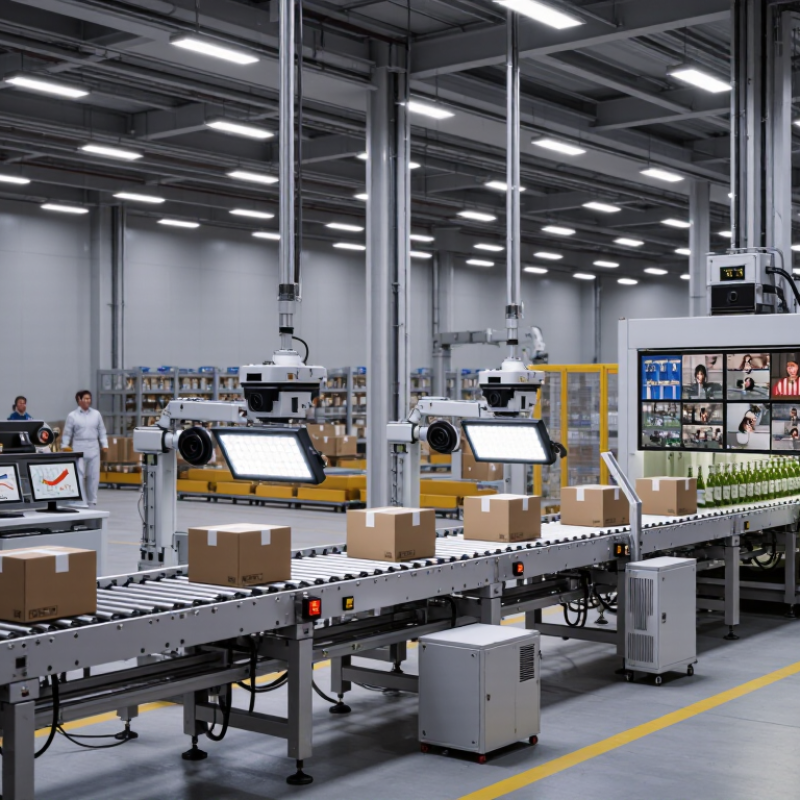
Choosing the right vision systems for your business starts with a clear view of the task they must perform. A camera inspecting bottle labels needs different capabilities from a system reading barcodes on moving cartons. A warehouse may need broad coverage, while a production line may require close, consistent images. Small details matter. Lighting, product speed, surface texture, and camera position can all affect results. Before comparing models, define what the system must detect, how quickly it must respond, and what happens when it flags a possible defect. That matters.
A sound selection balances image quality, speed, reliability, integration, and total operating cost. Resolution alone does not guarantee accurate inspection. Check performance with your own products and under realistic conditions, including shifts in lighting and line speed. Look for clear specifications, documented support, and examples relevant to your application. Ask vendors how their systems connect with existing equipment and how staff will handle alerts or downtime. A short pilot can reveal practical issues that a product sheet may miss. Measure false alarms, missed defects, and inspection time against goals agreed before testing. Consider who will maintain the equipment and whether future changes will require specialist support. No system is perfect. Some trade-offs only become obvious after installation, and that deserves honest attention. This guide explains the key questions to ask, helping you compare options with evidence rather than promises and choose a solution that fits your actual workflow.
How to Choose the Right Vision Systems for Your Business
Define Your Business Goals and Vision Inspection Requirements
Start with the decision the system must support. Is it checking a seal for gaps, reading a code, or measuring a machined part? Record the defect size, acceptable error rate, line speed, and inspection location. A camera that works under bright, steady light may struggle near reflective metal or changing ambient light. Test real parts, including borderline defects, before setting performance targets.
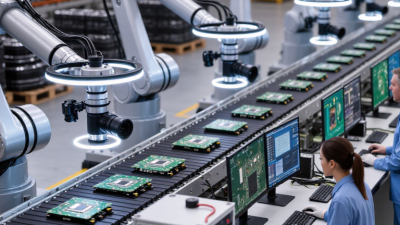
The International Federation of Robotics’ World Robotics 2024 report counted about 4.28 million industrial robots operating worldwide in 2023. That signals the scale of factory automation, not proof that every process needs automated vision. Set a measurable business goal, such as reducing missed defects or inspection time, and compare system performance against today’s manual process. Include false rejects and maintenance in the calculation. The targets may need revision after testing; that is useful evidence, not failure.
Tips: Keep a sample set of good parts and known defects. Test at actual line speed, with production lighting and realistic part variation. Ask operators where inspections fail today. Their observations can reveal a requirement that a specification sheet misses.
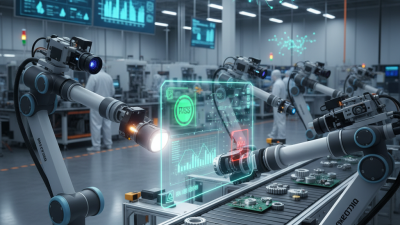
Choosing a vision system starts with the inspection task, not the camera. A smart camera combines imaging and processing in one compact unit, making it practical for simple checks at a single station. A PC-based system offers more computing power for complex patterns, multiple cameras, or frequent product changes. Two-dimensional imaging suits labels, edges, and surface defects. Three-dimensional imaging measures height, shape, or position, but usually needs more setup. Small details matter.
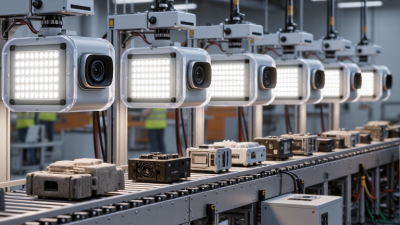
Core components work as a chain: sensor, lens, lighting, processor, software, and connection to production equipment. Match the lens to the working distance and field of view. Use diffuse lighting to reduce glare on glossy packaging; angled light can reveal scratches. The right software still depends on good images. The lab can flatter. Test with real parts, including dirty, reflective, and slightly misaligned examples.
Industry figures add context, not a buying answer. The International Federation of Robotics’ World Robotics 2024 report counted 4,281,585 industrial robots operating worldwide in 2023, up 10% from 2022. Grand View Research valued the global machine-vision market at USD 19.8 billion in 2023 and projected 8.5% annual growth through 2030. These figures point to expanding automation, but they do not prove every business needs advanced inspection. Start with the cost of missed defects, required cycle time, and available maintenance skills. Test it.
Choosing a vision system starts with the task, not a headline resolution figure. Define what it must detect, how quickly it must respond, and what counts as an acceptable error. A line checking tiny scratches may need different optics and lighting than one reading large labels. Small details matter. Test representative parts, including worn, reflective, or slightly misaligned examples.
Evaluate performance under realistic production speeds. Measure detection accuracy, false rejects, and processing time across repeated runs, rather than relying on a single successful demonstration. Keep a record of the lighting, distance, and sample condition. It is easy to overvalue a crisp image; consistent results across ordinary production variation are often more useful. Test it on-site.
Compatibility includes more than whether a camera connects to a computer. Check available interfaces, software requirements, mounting space, and how inspection results reach existing controls. Then consider the operating environment: dust, vibration, temperature changes, glare, and limited access for cleaning can all affect reliability. A controlled test room may hide these problems. One detail is often missed: operators need a practical way to spot a dirty lens or shifted mount. Conditions also change, so leave room to review performance after installation.
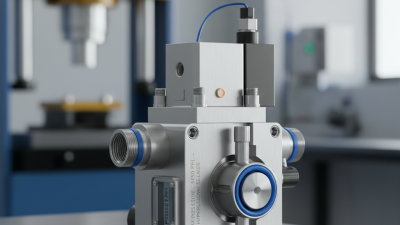
Evaluate performance, compatibility, and operating conditions. Enclosure protection is one practical factor when matching a vision system to its environment.
How to read this chart: The first IP digit describes protection against solid particles; the second describes protection against water. These are standardized protection classes, not performance scores. Check the full test conditions, especially for IP68, and confirm that the camera, lens, lighting, cabling, and mounting are suitable for your application.
A vision system’s purchase price is only the first line in the budget. Estimate costs over three to five years, including cameras, lenses, lighting, mounting, edge computing, integration, and operator training. A bright factory floor may need different lighting than a dim inspection station. Include replacement cables, spare lights, software updates, and time for recalibration. Small items matter.
Support can be the hidden cost. Ask who will diagnose image drift, replace failed components, and update inspection rules. Check response times, remote support availability, spare-part access, and whether your team can restore a system after a software change.
McKinsey’s 2018 analysis estimated that predictive maintenance could reduce machine downtime by 30–50% and maintenance costs by 10–40% in suitable settings. These are potential outcomes, not guaranteed savings; a vision system also needs clean data and consistent upkeep.
Compare scenarios, not just quotes: one shift versus three, local support versus remote help, and planned replacement versus repair. Track inspection misses, false rejects, and hours spent troubleshooting during a pilot. A first estimate can still be too optimistic. I may overlook a small recurring fee or the time needed to retrain staff, so leave room for revision.
A shortlist looks convincing on a specification sheet. A real-world pilot shows how each vision system handles your actual materials, lighting, and production pace. Choose one representative work area and run the systems on the same tasks. Include difficult cases, such as reflective packaging, faint print, or items arriving at uneven intervals. Small details matter.
Before testing, record current inspection time, defect rates, and common failure points. Then measure each system against those same conditions. Track missed defects, false alerts, setup time, and how often staff need to intervene. Keep the test long enough to include normal shifts and routine changes, not just a polished demonstration. A short trial can still be useful, but it may hide problems that appear later. Treat early results as evidence, not a guarantee.
Tips: Use real samples, including borderline defects. Keep lighting and camera positions consistent. Ask operators to note confusing alerts and extra steps. Compare results with your existing process, and document what the system could not handle. That gap is useful information, too.
Get in Touch
570 Alden Road Unit #10, Markham Ontario Canada, L3R 8N5
Quick Links
Featured Products
Industries