Choosing the right Industrial Foiling Machine is a production decision, not merely a purchasing exercise. It affects finish quality, material waste, energy use, and delivery reliability. Smithers’ packaging market research forecasts continued global growth through 2028, while brand owners demand more premium effects and lower environmental impact. That pressure makes equipment selection increasingly technical.
Start with the product, not the machine brochure. A folding carton line may require different foil temperature, pressure, and dwell time than a label or flexible-film application. Consider substrate thickness, foil type, working width, line speed, registration accuracy, and changeover time. PMMI industry analysis also highlights automation, labor efficiency, and connected equipment as major packaging priorities. These trends matter when comparing servo control, inspection systems, remote diagnostics, and waste monitoring.
Real production trials remain essential. Ask suppliers to test your actual paperboard, coating, artwork, and foil. Examine fine text under angled light. Check adhesion after creasing, cutting, stacking, and transport. No machine is perfect. A fast unit may create more setup waste, while a compact model may limit future product sizes. That trade-off deserves honest review. Service response, spare-parts availability, operator training, and documented safety controls should carry equal weight with hourly output. Industry reports provide direction, but your samples reveal the truth. A reliable buying decision combines verified data, experienced operator feedback, and a clear calculation of total ownership cost.
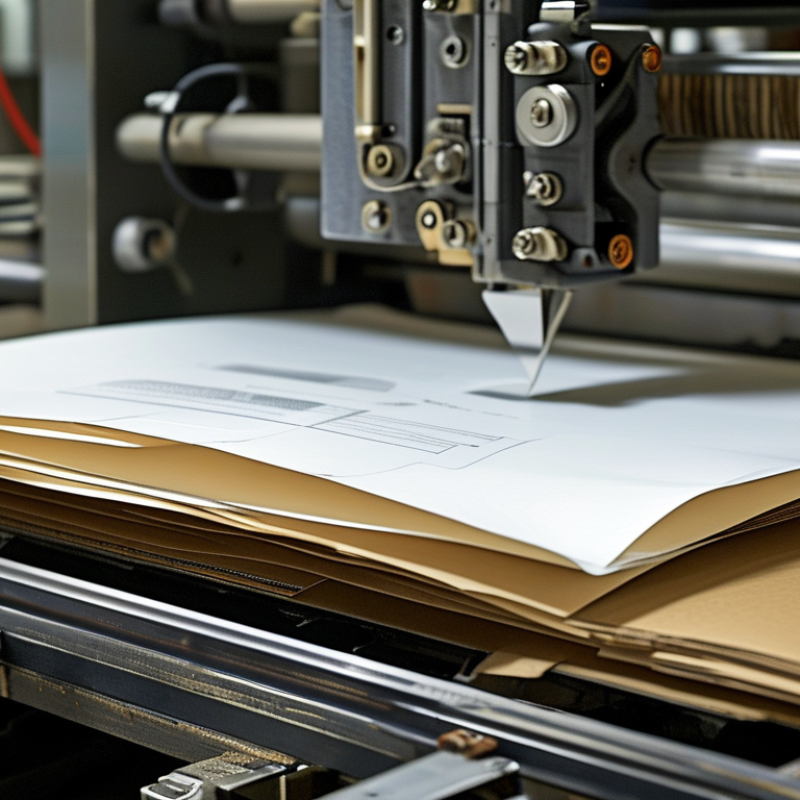
Choosing the best industrial foiling machine starts with a clear definition of your foiling requirements. Identify the materials, sheet sizes, foil types, and surface finishes used in daily production. I have learned that measuring actual jobs is more useful than relying on general machine ratings. Record average run lengths, changeover frequency, operating temperature, and acceptable waste levels. Small details matter.
Your production goal should include both output and consistency. A machine rated for high speed may perform poorly with delicate stock or intricate patterns. If your line handles short runs, quick setup and simple adjustments may matter more than maximum speed. For continuous production, stable pressure, temperature control, and reliable feeding deserve greater attention. Do not chase speed. Include operator skill in the plan, because complex controls can slow an otherwise capable team.
Ask suppliers for sample trials using your real materials and artwork. Inspect foil coverage, edge sharpness, registration, and adhesion after cooling. Calculate labor, energy, tooling, maintenance, and expected downtime over several years. A lower purchase price can hide expensive setup delays. My early estimates were sometimes too optimistic. That assumption can be wrong. Leave room for future product sizes, seasonal demand, and improvements in your finishing process. Safety guards, accessible maintenance points, and documented operating procedures should also influence the decision.

Choosing an industrial foiling machine starts with the material, finish, and production volume. Hot foil stamping uses heated dies, pressure, and foil layers to create sharp metallic details. It works well on cartons, labels, and coated paper. Cold foil uses adhesive and ultraviolet curing instead of heated dies. This method supports faster inline production and can cover larger areas. Digital foiling requires minimal tooling and suits short runs, variable designs, and quick sampling. Each method creates a different balance between speed, detail, setup time, and operating cost.
Operating methods also affect machine selection. Sheet-fed machines handle separate sheets and allow careful alignment during premium packaging work. Roll-to-roll systems support continuous production, reducing manual loading and stopping. Manual or semi-automatic equipment gives operators more control, but it may produce uneven results across long shifts. Fully automatic lines improve consistency, although setup errors can affect many meters of material. During testing, adjust temperature, pressure, and speed separately. Too much heat can distort delicate stock. Excessive pressure may flatten fine textures.
Inspect the first sheets under angled light. Small gaps, dull areas, or weak adhesion often reveal incorrect settings. Keep a record for each substrate and foil type. Clean dies and rollers regularly. Replace worn parts before defects multiply.
Safety guards and ventilation deserve attention, not just output speed. A perfect setting rarely exists. Materials vary between batches. I would also question machines chosen only for maximum speed, because waste, training time, and maintenance can change the real production cost.
Choosing an industrial foiling machine starts with the material, not the advertised output speed. Test your actual substrate, including coated paper, plastic film, labels, or textured board. Each surface absorbs heat differently. A foil that bonds cleanly to one material may wrinkle or lift on another.
During production trials, check temperature stability, pressure control, and dwell time. Faster machines can improve throughput, but excessive speed may create dull patches or incomplete transfer. Foil quality depends on sharp edges, even coverage, and consistent release. Inspect fine text under strong light. Small defects often become visible only after stacking or cutting. I once underestimated humidity, and the result was inconsistent adhesion. That mistake changed our testing process.
Tips: Request sample runs using your real materials and artwork. Measure waste, setup time, and finished quality together. Keep a record of temperature, pressure, and machine speed. Do not judge performance from one successful sheet. Repeat the test after the machine reaches working temperature. Also, ask whether operators can adjust settings without complicated procedures. A technically advanced machine may still perform poorly when daily adjustments are unclear. Leave room for testing.
Comparison of common industrial substrates using three practical selection factors: material compatibility, operating speed, and foil quality consistency. Scores are normalized to a 100-point scale from typical production requirements.
Paperboard and coated paper generally support the highest production speeds and stable foil transfer. Synthetic films require more precise temperature, pressure, and web-tension control, so compatibility and quality consistency should be evaluated before speed.
How to Choose the Best Industrial Foiling Machine?
Assess Automation, Safety Features, and Maintenance Needs
Choosing an industrial foiling machine requires more than comparing output rates. In production, automation should match your actual workload, not an optimistic forecast. A reliable system can feed sheets, control foil tension, and adjust pressure with limited intervention. Ask whether settings are saved digitally and whether operators can change them safely. Simple interfaces often reduce mistakes during shift changes. However, full automation may be wasteful for short runs or frequent material changes. Test that trade-off.
Safety features should be practical, visible, and easy to inspect. Look for guarded moving parts, emergency stops, heat protection, and clear fault alerts. Sensors should detect open covers, low foil, and abnormal temperature before damage occurs. During a factory trial, watch how quickly the machine stops after an emergency signal. Do not rely only on a sales specification. Operators notice details engineers sometimes miss, such as glare on displays or awkward access to buttons. Those observations are valuable.
Maintenance planning affects uptime more than many buyers expect. Check cleaning access around rollers, foil paths, heaters, and waste areas. Ask how often lubrication, calibration, and filter replacement are required. A machine with common service parts may reduce delays, but availability still needs verification. Leave enough room for technician access. In practice, teams often underestimate this space, making routine cleaning unnecessarily slow. That oversight deserves careful review.
| Machine Configuration | Typical Production Range | Automation Level | Key Safety Features to Verify | Typical Maintenance Needs | Best Application | Overall Suitability |
|---|---|---|---|---|---|---|
| Manual or Hand-Fed Platen Foiler | Approximately 500–1,500 sheets per hour, depending on the operator and product size | Low; operator loads and removes each sheet | Fixed guarding, two-hand controls, emergency-stop button, heated-die temperature protection, and safe access around the closing platen | Daily cleaning of foil and adhesive residue; inspection of die alignment, pneumatic connections, electrical cables, and lubrication points | Short runs, prototypes, specialty packaging, and frequent job changes | Good for flexibility |
| Semi-Automatic Platen Foiler | Approximately 1,000–3,000 sheets per hour | Medium; automatic foil feed and programmable dwell time, with manual sheet handling | Interlocked guards, emergency stops, overload protection, temperature control, pressure monitoring, and restart protection after a fault | Routine cleaning; scheduled inspection of foil-feed rollers, pneumatic filters, heating elements, sensors, and pressure settings | Commercial print, labels, cartons, invitations, and medium-volume decorative work | Strong all-round choice |
| Automatic Sheet-Fed Platen Foiler | Approximately 3,000–6,000 sheets per hour, subject to substrate, foil coverage, and tooling | High; automatic feeding, foil indexing, registration, and delivery | Fully interlocked guarding, light curtains or monitored access doors, emergency-stop circuits, jam detection, overload protection, and controlled heat zones | Planned preventive maintenance; cleaning of grippers and sensors, inspection of belts and bearings, calibration of temperature and pressure, and replacement of wear parts | High-volume cartons, premium packaging, book covers, security print, and repeat production jobs | Best for productivity |
| Rotary Foiling Unit | Approximately 4,000–10,000 impressions per hour, depending on web or sheet format and design complexity | High; continuous or semi-continuous foil transport with automatic registration controls | Enclosed nip points, guarded rotating elements, emergency stops, web-break detection, overspeed protection, and safe access for cylinder changes | Frequent cleaning of rollers and cylinders; inspection of bearings, web tension components, registration sensors, foil brakes, and drive systems | Long runs, narrow-web labels, continuous decorative effects, and high-repeat production | Best for long runs |
| Roll-to-Roll Hot Foil Stamping System | Typically 20–80 metres per minute, depending on foil type, substrate, design, and curing requirements | Very high; automatic unwinding, tension control, registration, stamping, rewinding, and fault monitoring | Guarded rollers and nip points, web-break detection, tension limits, emergency-stop circuits, thermal protection, and lockout provisions | Structured preventive maintenance; cleaning rollers, checking tension and alignment, inspecting drives and bearings, verifying sensors, and replacing consumable tooling | Flexible packaging, films, foils, labels, and other continuous-web materials | Best for continuous production |
The purchase price is only the opening figure. Calculate total cost across five years, including tooling, foil consumption, electricity, labor, maintenance, training, shipping, and downtime. A machine may cost less initially but waste more foil during setup. Track changeover time, rejected sheets, and average daily output. These details often change the final decision.
Estimate ROI from realistic production data, not optimistic sales targets. Divide the annual contribution margin by the complete investment, then compare the result with the expected payback period. Include installation delays and seasonal demand. A simple spreadsheet helps, but it can still miss hidden costs. For example, one extra operator during busy shifts may reduce the projected return significantly. Test the calculation with low, normal, and high production volumes.
Supplier reliability needs measurable evidence. Request service response times, spare-parts availability, warranty conditions, and technician coverage in writing. Ask for an acceptance test using your actual substrates, artwork, foil types, and production speeds. Speak with current users about recurring faults, training quality, and repair delays. A polished demonstration is useful, but it does not prove long-term performance. Review the contract carefully. Clarify who pays for replacement parts, travel, software updates, and emergency support. Keep a contingency budget. Real factories rarely operate exactly as planned.
Get in Touch
570 Alden Road Unit #10, Markham Ontario Canada, L3R 8N5
Quick Links
Featured Products
Industries