China Best Fly Controller Drone for Global Buyers?

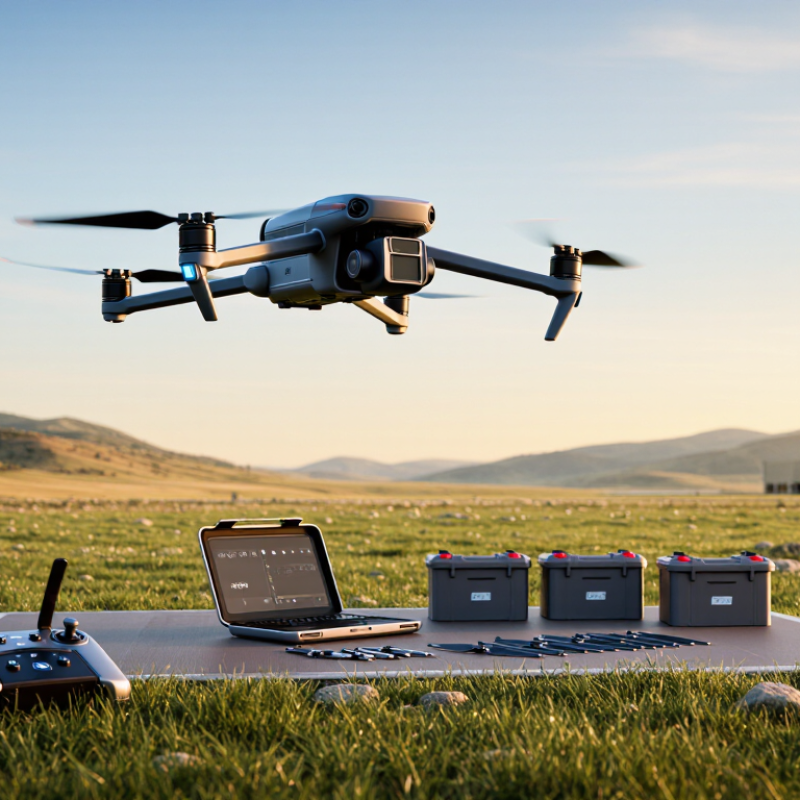
Choosing the best Fly Controller Drone from China requires more than comparing prices or advertised flight time. Global buyers should examine flight stability, controller responsiveness, firmware support, camera integration, battery safety, and replacement-part availability. A reliable unit should hold position steadily in a windy test field, respond smoothly to small joystick movements, and return accurate battery warnings before landing becomes urgent.

Michael Perry, a former DJI executive, once offered a useful warning: “The drone industry is still in its infancy.” That reminder remains relevant. Product specifications can look impressive, yet real performance may change with temperature, payload weight, software updates, and local operating conditions. Buyers need evidence, not polished promises. Factory testing records, quality-control procedures, technical manuals, and responsive after-sales support matter greatly.

This guide explores how China-based manufacturers compare for international purchasing. It considers controller range, communication reliability, obstacle sensing, app compatibility, repair access, and documentation quality. It also highlights responsible use, including privacy awareness, airspace rules, import requirements, and operator training. No single model suits every buyer. A survey drone needs different capabilities than a compact camera drone or an industrial inspection platform.

The best choice may not be the cheapest. It may be the model with clearer support and fewer surprises.

Some judgment is still unavoidable. Even experienced buyers can overlook small details, such as connector standards or regional software restrictions. Careful comparison reduces that risk, but it cannot remove it entirely.
China Best Fly Controller Drone for Global Buyers?

What Is a Fly Controller Drone?

A fly controller drone is not simply a drone with a handheld controller. The term usually describes a drone managed by a flight controller, the onboard computer that coordinates movement, balance, and safety responses. It reads data from gyroscopes, accelerometers, GPS modules, and sometimes altitude sensors. These inputs help the aircraft hover steadily, turn smoothly, and recover from minor disturbances.

In practical testing, the flight controller is the part I check before judging camera quality. A stable drone should hold position near a building, resist light wind, and respond without a sudden jerk. It also needs sensible failsafe settings, battery monitoring, and clear firmware instructions. Good documentation matters for global buyers because voltage standards, radio frequencies, and operating rules vary by market. A controller that performs well in one region may need different settings elsewhere.

It is not magic. Small errors matter.

A poorly calibrated sensor can make an indoor drone drift across a room. Excessive software adjustments may also create delayed responses, especially when the battery becomes weak. I have found that easy maintenance often matters more than impressive specifications. Buyers should ask about replacement parts, data security, testing records, and technical support before selecting a supplier in China. The best choice is not always the fastest drone. It is the system that behaves predictably, can be inspected, and gives operators enough control to correct mistakes safely.

How China’s Fly Controller Drones Are Designed and Manufactured

China’s Best Flight Controller Drones for Global Buyers?

How China’s Flight Controller Drones Are Designed and Manufactured

A flight controller drone begins with stable control architecture, not an attractive shell. Engineers select a processor, gyroscope, accelerometer, and barometer for balanced performance. These parts sit on a compact circuit board with carefully separated power and signal paths. Designers also study heat, vibration, and moisture before finalizing the enclosure. Small details matter.

During manufacturing, automated placement machines install components with measured accuracy. Optical inspection checks solder joints and component direction. Workers then load firmware and test sensor calibration on controlled benches. Each unit should respond smoothly to throttle, direction, and emergency landing commands. Production teams also inspect propeller balance and motor noise. A rough motor can reveal poor assembly.

Global buyers usually need more than factory photos. They should request sample test records, operating temperature data, battery protection details, and firmware update procedures. Packaging should protect the controller from static electricity and repeated impacts during transport. Certification documents must match the actual model, not a similar version. This point is often overlooked.

No factory process is perfect. A sensor may drift after repeated vibration, or a connector may loosen during long use. Reliable manufacturers track these failures and adjust tooling, testing, or component sourcing. That process shows practical engineering maturity. It also gives buyers clearer evidence than impressive specifications alone.

Key Features Global Buyers Should Compare

China Best Fly Controller Drone for Global Buyers?

Key Features Global Buyers Should Compare

A capable drone starts with a reliable flight controller, not a glossy airframe. Global buyers should compare processor speed, sensor quality, firmware stability, and repair access. A controller should process gyroscope and accelerometer data smoothly during wind changes. Look for redundant sensors and clear calibration instructions. Small errors matter when the aircraft hovers above uneven ground. Test logs are valuable evidence.

I recommend checking performance through practical demonstrations, not only technical brochures. Ask for hover footage, emergency landing records, and temperature readings after a long flight. The controller should support stable positioning through approved navigation systems and maintain predictable behavior after signal loss. A useful failsafe should return, land, or hold position according to local rules. Confirm that the system supports legal operation in the target country. Regulations differ widely.

No controller wins every test. I once trusted a smooth indoor demo, then noticed unstable altitude outdoors. That experience changed my checklist. Buyers should inspect firmware update methods, data security controls, replacement sensors, and technical response times. English documentation helps, but accurate diagrams matter more. Check whether spare parts remain available for several years. A low purchase price may hide training costs, limited diagnostics, or difficult repairs. The best comparison combines flight records, field support, compliance documents, and honest testing under heat, dust, and moderate wind.

China Best Fly Controller Drone for Global Buyers? - Key Features Global Buyers Should Compare

Comparison Dimension Entry-Level Controller Professional Survey Controller Industrial Long-Range Controller What Global Buyers Should Verify
Primary Use Training, recreation, basic aerial photography Mapping, inspection, construction monitoring Infrastructure inspection, public safety, industrial operations Confirm that the controller supports the intended aircraft, payload, and operating environment.
Control Link Proprietary digital link or short-range radio Digital radio link with optional cellular or network connectivity Multi-link architecture with radio, cellular, or satellite options Check operating frequency, supported network bands, encryption, and regional radio regulations.
Typical Control Range Approximately 1–5 km in open areas Approximately 5–15 km in open areas More than 15 km may be possible with approved long-range systems Treat range as a laboratory or open-area estimate; buildings, terrain, interference, and local law can reduce it.
Positioning Support GNSS-assisted positioning Multi-constellation GNSS; RTK may be available Multi-constellation GNSS, RTK or network correction support Verify supported satellite constellations, correction services, and stated positioning accuracy.
Display Smartphone or small integrated screen Integrated high-brightness screen, commonly 5–7 inches High-brightness screen, sunlight readability, and optional external monitor output Check screen brightness, touch sensitivity, glove operation, resolution, and language options.
Battery System Rechargeable lithium-ion or lithium-polymer battery Replaceable battery; spare-battery operation is recommended Replaceable or hot-swappable battery system where supported Confirm capacity, charging time, battery transport documentation, and replacement availability.
Operating Time Approximately 1–3 hours per battery Approximately 2–6 hours per battery, depending on display and link usage Approximately 4–8 hours with high-capacity or replaceable batteries Compare actual field operating time rather than standby time.
Environmental Protection Limited protection; dry-weather operation recommended Often designed for dust and light rain protection Rugged housing with a documented IP rating may be available Request the tested IP rating, operating temperature range, drop resistance, and humidity limits.
Payload Control Basic camera and gimbal control Camera, gimbal, zoom, focus, and mapping payload control Multi-payload control, auxiliary ports, and mission-specific interfaces Confirm supported payload protocols, connector types, data bandwidth, and software compatibility.
Safety Functions Low-battery warning and return-to-home support Return-to-home, geofencing, flight warnings, and link-loss protection Redundant alerts, customizable fail-safe actions, and emergency stop support Evaluate fail-safe behavior, alert visibility, manual override, and emergency procedures.
Data Security Basic account and application security Encrypted transmission and local data storage options Stronger access control, encrypted links, and enterprise data-management options Ask about encryption methods, firmware updates, cloud dependency, data location, and user permissions.
Software Compatibility Mobile application support Mission-planning and mapping application support SDK, API, fleet-management, and enterprise workflow integration may be available Verify operating-system support, API documentation, update policy, and offline operation.
Portability Lightweight and compact Portable with integrated controls and protective case Ruggedized and transportable, but generally heavier Compare controller weight, case dimensions, carrying method, and battery transport requirements.
Global Compliance May require regional radio approval Requires documented wireless and electrical compliance May require additional approvals for professional or critical operations Request applicable conformity documents, user manuals, test reports, and region-specific frequency settings.

Buyer note: The specifications above are typical market ranges for controller categories, not guaranteed product specifications. Actual performance depends on aircraft configuration, antenna design, terrain, interference, firmware, weather, and local regulations.

Safety, Regulations, and Compatibility Across Markets

A fly controller is only a safe choice when it matches the aircraft and the destination market. Rules differ: the FAA generally requires registration for drones weighing over 0.55 lb (250 g), while EASA’s open category covers drones up to 25 kg under specific operating conditions. These thresholds are not permission to fly anywhere. Check local registration, pilot training, operating-area, and remote-identification requirements before travel.

Compatibility deserves the same care. A 2.4 GHz or 5.8 GHz label does not guarantee that a controller’s radio settings are permitted or suitable in every country; national spectrum rules can differ, as reflected in ITU radio regulations. Confirm the exact aircraft model, firmware, supported frequency bands, mobile-device operating system, and charging requirements. Also check battery transport limits with the airline. A polished spec sheet can still leave gaps.

Tips: Test the link in an open, permitted area before a trip. Keep the manual and compliance documents handy. Small details matter. I would still verify regional settings directly with the relevant aviation authority; compatibility lists can lag behind software updates.

How to Choose a Reliable Chinese Drone Supplier

China Best Fly Controller Drone for Global Buyers?

Choosing a reliable Chinese drone supplier requires more than comparing prices. The controller must match the aircraft, communication system, and intended operating environment. Ask for detailed specifications, control distance, battery performance, spare-part availability, and software update procedures. Request a working sample before placing a large order. A clear sample test can reveal unstable signals, delayed controls, or weak plastic parts. Small details matter.

Tips: Check the factory’s business registration and production records. Request quality inspection reports and traceable test results. Confirm whether the supplier supports your destination’s import and operational requirements. Review packaging, warranty terms, repair response times, and replacement-part delivery. Put every promise into a written contract. Verbal assurances fade quickly.

A dependable supplier should explain limitations honestly. For example, advertised flight distance may change with weather, buildings, interference, and battery load. Ask how performance was measured. I would also compare two samples from separate production batches, although this adds time and cost. That extra step is not perfect, but it may expose inconsistent assembly. Reliable communication matters too. Slow replies before payment can become worse after delivery. Choose a supplier that provides technical drawings, realistic lead times, inspection access, and a named service contact. Reliability is built through evidence, not attractive product photos.

Article Source:

Scroll to Top