Top Ceramic Knife Gate Valve Manufacturers in China?

China is a major sourcing option for industrial valves, but choosing a supplier takes more than comparing catalog prices. When researching the Top Ceramic Knife Gate Valve Manufacturers in China, buyers should look closely at product design, manufacturing capability, and evidence of quality control. These valves are often specified for abrasive slurries and demanding process conditions. Details matter.

A Ceramic Knif Gate Valve should be evaluated against the actual medium, pressure, temperature, particle size, and operating frequency. Ask suppliers about ceramic grades, lining or seat design, body materials, actuator choices, and inspection procedures. Request drawings and test documentation, then check that the specifications match your project. Small differences can affect service life.

A useful manufacturer comparison also considers customization, delivery schedules, technical support, and responsiveness after installation. Where possible, ask for references from applications with similar operating conditions. A polished website is not proof of performance. Evidence counts. No shortlist is perfect, and supplier claims should be checked carefully. Even a sound sample test may not reflect every condition in a working plant. That uncertainty deserves attention. The overview that follows is intended to help readers compare potential Chinese manufacturers using practical criteria, rather than treating any single ranking as a guarantee. Qualified engineering review remains important before a valve is selected.
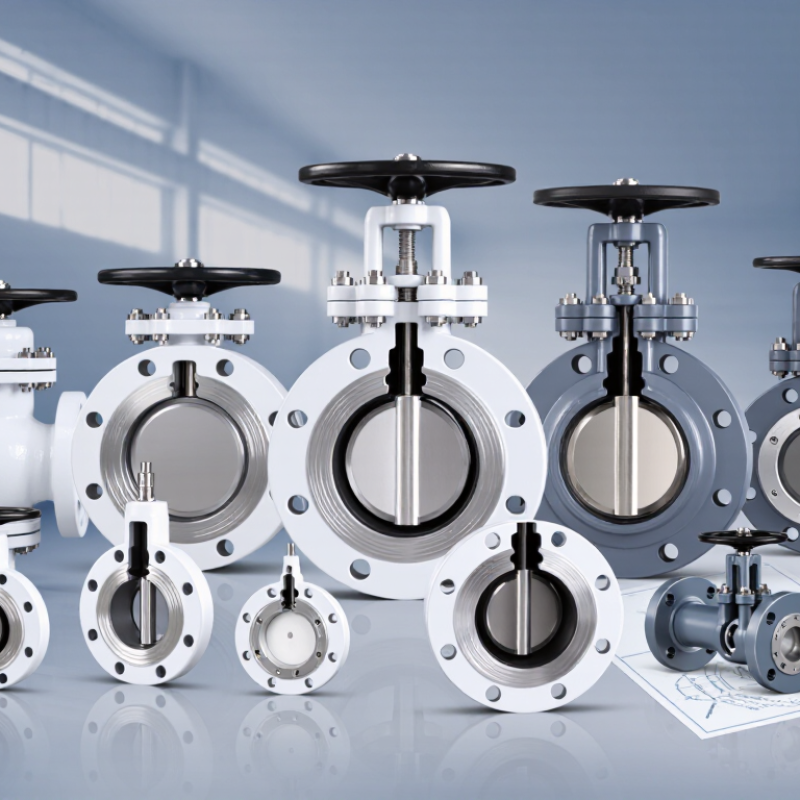
Top Ceramic Knife Gate Valve Manufacturers in China?

What Is a Ceramic Knife Gate Valve and How Does It Work?

A ceramic knife gate valve controls flow with a flat gate that travels through the valve bore. Its thin edge pushes aside settled slurry and fibrous solids. Ceramic inserts or tiles may protect the gate, body, or seating surfaces from abrasive particles. When closed, the gate meets the seat to restrict leakage. Construction varies: “ceramic” does not mean every wetted part is ceramic. This valve is generally intended for isolation, not precise flow control.

The design is useful in abrasive services such as mineral processing. The U.S. Geological Survey’s Mineral Commodity Summaries 2024 estimated world copper-mine production at about 22 million metric tons in 2023. This indicates the scale of mineral processing, not a valve-life guarantee. Service life also depends on particle size, pressure, chemistry, cycling, and installation. Ceramic can resist abrasion, but impact or uneven loading may chip it. Not magic armor.

Tips: Check the slurry’s solids content and particle size before selecting materials. Inspect the seat and gate for deposits during maintenance. Check the seat. A poor match can still leak.

Where Are Ceramic Knife Gate Valves Used in Industry?

Ceramic knife gate valves are used where abrasive solids can quickly wear ordinary valve surfaces. Common applications include mineral processing, mine tailings, cement production, and power-plant ash handling. In a processing line, the valve may isolate a pipe carrying gritty slurry between pumps and settling tanks. The ceramic contact surfaces resist abrasion and many corrosive fluids, helping maintain a reliable shutoff.

The details matter. Slurry concentration, particle size, pressure, and operating frequency all affect valve selection. A valve handling fine mineral pulp may face different wear patterns from one exposed to coarse ash. Engineers should also consider the pipeline layout and access for maintenance. A difficult-to-reach valve can turn a small repair into a long shutdown.

Ceramic components are hard, but they can be vulnerable to impact or sudden temperature changes. That trade-off is easy to overlook. Not everywhere. Before installation, operators should check material compatibility and the expected operating cycle, then confirm that the valve’s design suits the actual service conditions. Field experience is useful, but site-specific data should guide the final choice.

Top Ceramic Knife Gate Valve Manufacturers in China? - Where Are Ceramic Knife Gate Valves Used in Industry?

Industry Typical Service Common Media Why a Ceramic Knife Gate Valve May Be Used Selection Considerations
Mining and mineral processing Slurry isolation in transfer lines, sumps, and processing circuits Ore slurry, mineral concentrates, and tailings Ceramic wear surfaces can help resist abrasion from suspended mineral particles. Check particle size, solids concentration, flow direction, pressure, and the valve’s ability to handle settling solids.
Coal preparation Isolation of abrasive slurry and process-water lines Coal fines, refuse slurry, and water containing suspended solids Wear-resistant trim may extend service life where conventional metal surfaces erode quickly. Assess slurry abrasiveness, operating frequency, sealing requirements, and the risk of solids packing in the body.
Power generation Handling of ash and abrasive residue Fly ash, bottom ash slurry, and ash-laden water Ceramic components can be appropriate for abrasive ash-handling duties. Confirm temperature, pressure, ash particle characteristics, and whether the valve is intended for dry or wet service.
Cement and building materials Isolation in powder, slurry, and solids-handling systems Cement, clinker dust, mineral powder, and abrasive process mixtures Hard ceramic surfaces can reduce wear in services containing hard particles. Consider dust ingress, operating cycle, sealing design, and whether the valve is suitable for the installation orientation.
Metallurgy and steelmaking Slurry and residue line isolation Scale, mineral residues, and abrasive process slurry Can be considered where erosion resistance is important and the process conditions suit ceramic components. Verify process temperature and pressure limits; thermal shock and impact loading can damage ceramic parts.
Chemical processing Isolation of selected corrosive or particle-laden streams Process liquids or slurries, depending on chemical compatibility Certain ceramic materials offer corrosion resistance as well as hardness. Check the exact chemical composition, concentration, temperature, and compatibility of all wetted materials and seals.
Water and wastewater treatment Isolation of sludge and solids-bearing lines Sludge, grit-bearing water, and treatment-process residues May suit abrasive solids service when the valve design and sealing arrangement match the duty. Review solids content, fiber or ragging risk, required shutoff performance, and maintenance access.

Note: Ceramic knife gate valves are generally selected for specific abrasive or chemically demanding duties, not as a universal replacement for metal valves. Confirm pressure, temperature, media compatibility, ceramic grade, sealing arrangement, and applicable design standards with the valve supplier before selection.

How to Evaluate Ceramic Knife Gate Valve Manufacturers in China

When evaluating ceramic knife gate valve manufacturers in China, begin with the process conditions, not the catalogue. Record the slurry’s solids content, particle size, operating pressure, temperature, and cycling frequency. Ask which ceramic grade protects the gate and seat, and how thick those surfaces are. A valve handling fine mineral slurry may face different wear than one handling coarse, abrasive particles. Check the body material, sealing design, and connection dimensions against your piping drawings. A polished brochure is not proof.

Request material certificates, inspection records, and test procedures for the specific valve model. Look for clear checks on dimensional accuracy, gate movement, and seat leakage. Ask how ceramic parts are machined, fitted, and inspected for cracks or edge damage. Manufacturing consistency matters. Compare sample records across production batches, not just one demonstration unit. If possible, review the factory’s quality process or arrange a technical meeting with its engineers. Also clarify spare-part availability, lead times, and how the supplier handles a mismatch between the stated conditions and actual service. No checklist can replace a well-defined duty specification.

Tips: Send the same operating data and drawings to each manufacturer. Ask for written deviations and test criteria. If answers remain vague, pause before ordering; I would want that uncertainty resolved, even if it delays the decision.

Leading Ceramic Knife Gate Valve Manufacturers in China

China’s leading ceramic knife gate valve manufacturers serve abrasive slurry duties in mining, cement, and mineral processing. USGS’s Mineral Commodity Summaries 2024 estimated global cement production at about 4.1 billion metric tons in 2023, highlighting the scale of industries that move abrasive materials. That figure does not predict valve demand, but it helps explain why wear resistance matters. Look for manufacturers that can document ceramic grade, lining thickness, body material, and pressure-test results—not just quote a long service life.

A capable supplier should discuss particle size, solids concentration, temperature, and operating cycles before recommending a valve. Ask how the gate seals against the ceramic seat and how the design handles trapped solids. Request inspection records and confirm testing against a stated procedure, such as ISO 5208 where applicable. Factory audits can reveal machining and assembly controls. A polished brochure proves little. I would still compare field references, because laboratory results may not reflect a plant’s actual slurry.

Tips: Send a sample of the process fluid or a detailed operating profile when requesting a quote. Check spare-part availability and clarify how damaged ceramic components are replaced. Be cautious of claims that promise maintenance-free operation.

What to Check Before Selecting a Chinese Manufacturer

Selecting a Chinese ceramic knife gate valve manufacturer starts with the actual process conditions: slurry concentration, particle size, temperature, pressure, and operating cycles. A valve handling fine mineral slurry may fail differently from one exposed to sharp, coarse particles. Ask for ceramic composition, hardness data, lining thickness, and documented wear-test conditions. Small details matter.

Material claims need context. The World Stainless Association’s Stainless Steel in Figures 2024 reports global stainless-steel production of about 58.4 million tonnes in 2023. That figure shows the scale of the supply chain, not the quality of any individual valve. Request traceability records for the body and ceramic components, plus inspection results tied to the specific order. Paperwork helps, but it can still miss a chipped edge.

Check how the manufacturer verifies sealing and movement. Ask for pressure-test records, gate alignment checks, and leakage criteria, using recognized methods such as ISO 5208 where applicable. Confirm that test conditions resemble your service, rather than relying on a generic certificate. Request drawings, material certificates, and clear warranty terms. Then inspect a sample or arrange a factory audit. It takes time. Yet a polished catalogue cannot reveal how a valve behaves after repeated abrasive cycles.

Scroll to Top