What Is the Best Olylife Foot Product from China?
Choosing the best Olylife Foot product from China takes more than comparing prices or polished product photos. Buyers should check the exact model, intended use, materials, dimensions, warranty, and after-sales support. Look closely at the control panel, cable connections, and any included accessories. Small details matter when a product will be used regularly. The right choice depends on the buyer’s needs, not the boldest promise.
The market offers useful context, but it cannot prove that one device works better than another. Grand View Research estimated the global foot-care products market at about US$3.35 billion in 2023 and projected continued growth. That figure describes a broad category, not Olylife Foot sales or product quality. Podiatrist Dr. Miguel Cunha has used the reminder, “Your feet are the foundation of your body.” It is a helpful buying lens, though not a product endorsement. Compare verified specifications and independent feedback before deciding. A feature list is not a clinical result. Some listings may also leave important details unclear. That deserves a second look. This guide examines what can be checked, what remains uncertain, and which Olylife Foot option may best match different priorities.
What Is Olylife and What Foot Products Does It Offer?
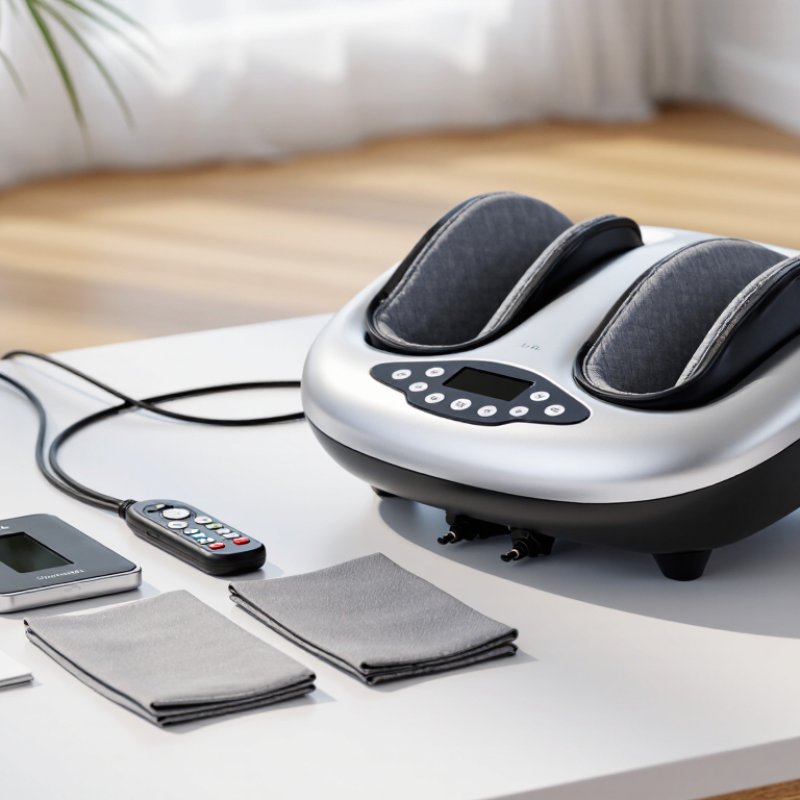
A foot-wellness range generally includes heated foot massagers, air-compression devices, and compact units combining warmth with vibration. These products aim to support relaxation after standing, walking, or exercise. Their controls matter: a clear timer, adjustable intensity, and washable foot liners make daily use easier. The exact selection can vary by model and market, so check the product specifications rather than assuming every feature is included.
Market figures offer context, not proof of health benefits. Grand View Research estimated the global foot-care products market at about US$4.69 billion in 2022, with projected growth through 2030. This broad category includes more than electronic massagers. Comfort is not treatment. A warm, gentle session may feel pleasant, but it should not be presented as a cure for pain or circulation problems. People with reduced foot sensation, persistent swelling, or diabetes should seek professional advice before using heat or compression. I would also compare noise, fit, cleaning needs, and return terms; the most feature-rich device is not always the easiest to use.
How Do Olylife Foot Products Work?
Foot-care products work through simple physical inputs, not mysterious energy. A foot massager may use rollers, air pressure, or vibration to press against the soles and arches. A heated model adds gentle warmth, while a textured mat stimulates the skin through contact. The exact sensation depends on the device, its settings, and how sensitive your feet are.
A practical example: after standing all day, you place your feet in a massager and start with its lowest setting. The rollers move beneath your arches, and warmth may make the session feel more comfortable. Some people find this soothing. Others may find the pressure too strong. Not magic. These products can support comfort, but they should not be treated as cures for pain, circulation problems, or other health conditions.
Check the instructions before use, especially if you have reduced foot sensation, persistent pain, or a medical condition affecting your feet. Keep the device clean and inspect its surfaces for wear. A feature list can look impressive, but fit and ease of use matter more in daily life. I would be cautious about assuming that more heat or stronger pressure means better results. That assumption is easy to make, and not always right.
What Features Distinguish Each Olylife Foot Product?
Foot-care devices in this range are best compared by how they contact the feet, not by appearance alone. Depending on the model, one may use rotating rollers, air compression, or gentle vibration. Rollers tend to focus pressure around the soles, while compression wraps the sides and instep. A wider footbed can feel less cramped, but it may take up more floor space. Check the fit.
Heat, intensity settings, and control placement also distinguish models. Some provide adjustable warmth; others focus on massage without heat. A simple dial may be easier to reach than small buttons near the toes. Look for clear instructions and a timer, especially if several people will share the device. More settings are not automatically better. A few usable levels can be easier to manage.
Portability and cleaning matter in ordinary routines. A lighter unit is easier to move beside a chair, while removable covers can simplify upkeep. Check the power cord length against the outlet you plan to use. Product descriptions do not always show how pressure feels on different feet, so treat comfort claims cautiously. Personal fit can be a little unpredictable, and that deserves more attention than an impressive feature list.
Which Olylife Foot Product Best Matches Different Needs?
The best foot product depends on how you plan to use it, not on the number of settings. For tired feet after a long shift, a compact massager with gentle rolling and adjustable intensity may feel practical. Check that your heel and arch sit comfortably inside the foot wells. Fit matters.
If warmth is your priority, choose a model with a clearly adjustable heat setting and an easy-to-clean fabric liner. Warmth can add comfort, but it should not be treated as medical care. People sensitive to heat may prefer a device without this feature. Read the instructions, and stop if the sensation feels unpleasant.
For a small apartment or shared room, consider a lighter unit with simple controls and manageable noise. If you prefer a more enclosing feel, an air-compression design may suit you, though the pressure can feel too strong for some users. Try the lowest setting first. A useful comparison includes dimensions, cleaning steps, warranty terms, and return conditions—not just photos or feature lists. I would also check cord length before buying; it is an easy detail to overlook. No single option fits everyone, and product descriptions do not always reveal how a device feels during daily use.
How Can Buyers Assess Quality, Safety, and Value?
Buyers should judge a foot-care product by its intended use, not its packaging. For a warming pad, massager, or support item, check materials, dimensions, and instructions against your needs. Details matter. When possible, inspect a sample: seams should be even, edges smooth, and controls easy to read. Ask suppliers in China for model-specific safety reports, traceable batch information, and clear contact details. A certificate image alone proves little; check its issuer, scope, and test date where possible. For electrical products, review plug compatibility, rated voltage, overheat protection, and cord quality.
Value is more than the lowest quote. Compare warranty coverage, spare-part availability, return terms, and delivery costs. Read the manual before buying; vague warnings or sweeping health promises deserve caution. If you have diabetes, reduced sensation, circulation problems, or persistent foot pain, ask a qualified clinician before use. A supplier who answers specific questions is easier to assess than one offering polished photos alone. Still, paperwork cannot tell you how comfortable an item feels after a week. That gap is worth remembering.