A long day can leave your feet feeling heavy, tight, and warm inside your shoes. A Foot Massager may offer a convenient way to unwind at home, but the best choice depends on comfort, fit, and how you plan to use it. Some models knead the soles with rolling nodes; others add air compression, heat, or adjustable intensity. More features do not always mean a better experience.
Podiatrist Dr. Miguel Cunha has described the feet as “the foundation of the body.” That perspective is useful when comparing home devices: a soothing session can feel worthwhile, but it should not be mistaken for diagnosis or treatment. This guide considers practical details, including foot-size limits, control placement, cleaning, noise, pressure settings, and whether heat can be switched off. Small things matter. A remote that is easy to reach may make a device simpler to use after work; a fixed, intense massage may not suit sensitive feet.
The picks ahead cover different needs, from compact designs for small rooms to feature-rich models for longer sessions. We also recognize a limitation: comfort is personal, and product specifications cannot predict exactly how a massage will feel. Read the fit and safety notes before buying, especially if you have reduced foot sensation, persistent pain, or a medical condition affecting circulation. A foot massager should feel comfortable, not forceful.
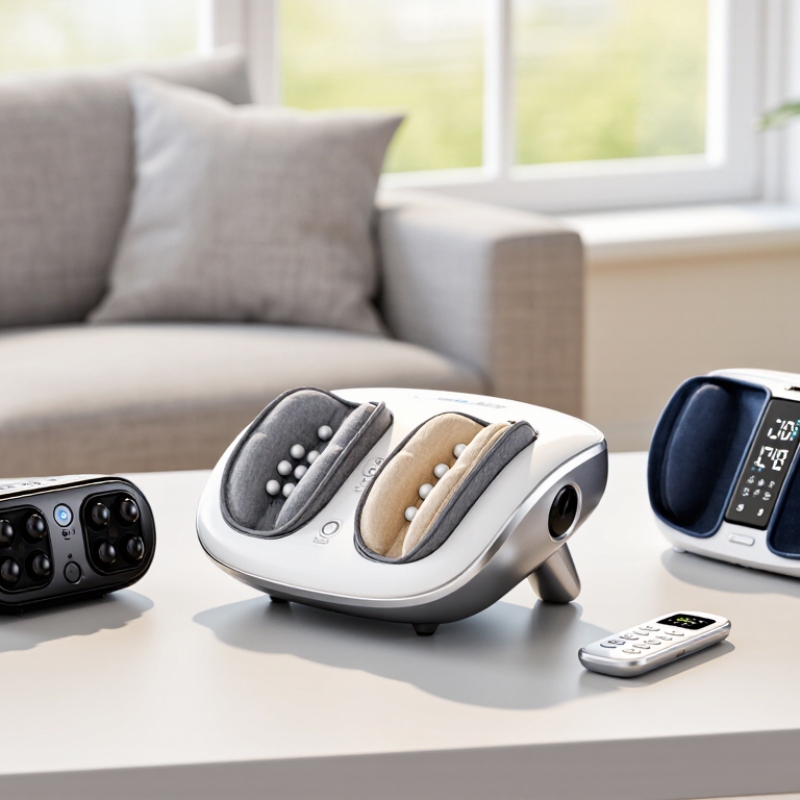
Foot massagers use rotating rollers, air-filled chambers, vibration, or gentle heat to stimulate the feet. Rollers knead the soles; compression chambers squeeze and release them. These sensations may ease temporary tension, but a device does not diagnose or treat the cause of pain. APMA’s 2014 survey found that 77% of American adults had experienced foot pain. That figure is a reminder to take persistent discomfort seriously, not proof that massage solves it.
Fit matters. Your heel should rest naturally, and the rollers should reach the arch without forcing your toes forward. Look for adjustable intensity, simple controls, removable washable liners, and an automatic shutoff. Start low. A strong setting can feel unpleasant rather than therapeutic, especially after a long day on hard floors. Heat is a comfort feature, not a requirement, and hotter is not better.
Check with a clinician before using a massager if you have reduced foot sensation, circulation problems, or unexplained swelling. The device’s pressure may be hard to judge when sensation is limited. Research on massage often examines specific conditions and small groups, so results should not be treated as a guarantee for every home user. I’d also question any promise of “deep” relief; comfort is personal, and sometimes the settings need more trial and error than expected.

Home foot massagers generally fall into three types: shiatsu-style rollers, air-compression devices, and warm-water foot spas. The American Podiatric Medical Association’s 2014 survey found that 77% of U.S. adults had experienced foot problems. That figure describes reported problems, not proof that massage devices treat them. Choose a device for comfort, not as a substitute for medical advice.
Shiatsu models use rotating nodes under the soles. They can feel firm, especially beneath the arch, so adjustable intensity matters. Air-compression units squeeze the feet and sometimes the ankles with inflatable chambers. The pressure feels more like a snug boot than a rolling massage. Check that the fit is secure but not tight. Warm-water spas combine soaking with vibration or small rollers. They need more cleanup, and the water temperature may be hard to judge if sensation is reduced. Small details matter.
Some products combine heat, compression, and rollers, but extra features do not guarantee better relief. I find category labels a little blurry: “kneading” can describe very different sensations. Start with a short session. Stop if you feel pain, numbness, or unusual skin changes. People with diabetes, circulation problems, or reduced foot sensation should ask a health professional before using heated or high-pressure devices.
Price ranges are approximate U.S. retail estimates and vary by features, materials, and retailer. Manual rollers are simple and portable; foot spas add water and heat; vibration, shiatsu, and air-compression devices use powered massage mechanisms.
The 10 best foot massagers for home use in 2026 are not one-size-fits-all winners. A useful shortlist spans shiatsu kneading, air compression, rolling, gentle heat, water-bath soaking, compact designs, calf-and-foot sleeves, manual rollers, quiet motors, and adjustable-intensity units. Each suits a different room, routine, and comfort level. Kneading may feel focused beneath the arch; compression wraps the foot more evenly. Heat can add comfort, but it should never feel scorching. Check that your feet fit the chamber before buying.
Look for washable liners, simple controls, stable placement, and a clear return policy. These details matter after the novelty fades. A noisy machine can disrupt a quiet evening, while bulky equipment may stay under the bed. The comparison is imperfect: comfort varies, and a stronger setting is not automatically better. People with reduced sensation, circulation concerns, or persistent pain should ask a clinician before using heat or deep pressure. Treat glowing reviews with some caution.
Tips: Try five minutes on the lowest setting first. Follow the manual and stop if discomfort begins. Measure your feet. That is easy to forget.
A guide to common foot massager types. Features vary by model; check fit, controls, and care instructions before purchasing.
| Option | Massage method | Typical coverage | Heat | Best suited for | What to check |
|---|---|---|---|---|---|
| 1. Shiatsu-style foot massager | Rotating or kneading nodes apply pressure to the soles. | Usually the soles; some models also reach the sides or heels. | Available on some models. | People who prefer a firm, kneading sensation. | Intensity settings, foot-space dimensions, and whether the pressure feels comfortable. |
| 2. Air-compression foot massager | Inflatable chambers gently squeeze and release around the feet. | Coverage depends on the chamber layout; many focus on the top and sides of the foot. | Model-dependent; compression does not necessarily include heat. | People who prefer a wrapping sensation over strong kneading. | Adjustable pressure, fit, and any health-related instructions in the manual. |
| 3. Foot roller massager | Foot movement across ridged or smooth rollers creates localized pressure. | Primarily the arches and soles; the user controls pressure and movement. | Generally not included. | Simple, manual use and targeted pressure. | Stability, roller texture, and whether the pressure is comfortable for your feet. |
| 4. Vibrating foot massager | Motor-driven vibration provides a broad, pulsing sensation. | Often focused on the soles; coverage varies with the platform design. | Some models offer a separate heat function. | People who want a less targeted sensation than kneading nodes provide. | Vibration levels, operating noise, and the device’s footprint. |
| 5. Heated foot massager | Uses a warming element, sometimes combined with kneading or vibration. | Depends on the design; warmth may be concentrated around the soles or foot chamber. | Included; temperature control and heat intensity vary. | People who value warmth alongside a massage function. | Independent heat controls, automatic shutoff, and safety guidance. |
| 6. Foot spa with bubbles | A basin holds water; bubbles or water movement provide a gentle sensory experience. | The feet are immersed; some basins include raised surfaces or rollers. | Some models maintain or warm water; capabilities differ. | People who prefer a soak as part of their foot-care routine. | Basin capacity, splash control, drainage, and cleaning requirements. |
| 7. Under-desk foot massager | A low-profile platform may provide vibration, rolling, or both. | Usually the soles while seated. | Uncommon; check the individual model. | People who want a compact device for seated use. | Clearance under the desk, stability, controls, and power-cord placement. |
| 8. Manual acupressure mat | Raised points apply pressure when you stand or shift your weight on the mat. | The areas of the soles in contact with the mat. | Not included. | People seeking a non-electric, easy-to-store option. | Surface firmness, non-slip backing, and comfort during use. |
| 9. Foot-and-calf massager | May combine foot kneading or compression with calf air compression. | Feet and lower legs, depending on the model’s height and fit. | Available on some models. | People who want coverage beyond the feet. | Calf circumference limits, device size, pressure settings, and ease of entry. |
| 10. Multi-mode enclosed foot massager | May combine rollers, kneading, air compression, and vibration in selectable modes. | Often covers the soles and sides; some designs include the heel or top of the foot. | Frequently offered as an optional feature, but not universal. | People who want several massage styles in one device. | Available modes, washable or removable liners, fit, controls, and storage space. |
Note: Foot massagers are consumer comfort devices, not medical treatments. Follow the user manual and seek advice from a healthcare professional if you have a medical condition or concerns about using one.
Choosing a foot massager starts with how you want it to feel. Some models knead the soles with rotating nodes; others use air pressure around the feet and ankles. If you dislike firm pressure, look for adjustable intensity and try the gentlest setting first. Check the product’s foot-length range, too. A snug chamber can feel reassuring, but cramped toes can make even a well-reviewed device unpleasant. Fit matters.
Heat is useful only if you enjoy warmth; it should not be the main reason to buy. Compare the control layout, cleaning instructions, noise level, and how easy the unit is to store. Less can be more. A person who wants a quick evening routine may prefer simple controls over many modes.
If you have reduced sensation, circulation concerns, or persistent foot pain, ask a healthcare professional before using heat or strong compression. No checklist predicts comfort perfectly. Your feet may respond differently after a long shift than they do on a quiet morning, so choose a device with settings you can adjust—and give yourself permission to stop if it feels uncomfortable.
A home foot massager should feel comfortable, not painful. Read its manual before use, especially if it combines kneading, heat, and compression. Start with the lowest setting and a short session. Stop if your skin becomes numb, sore, unusually red, or swollen. More pressure is not better.
Check your feet before and after each session. Look for blisters, cuts, swelling, or changes in skin color, using a mirror if the soles are hard to see. The CDC’s National Diabetes Statistics Report (2024) estimates that 38.4 million people in the United States had diabetes in 2021. Diabetes can affect sensation and circulation, so people with reduced feeling, poor circulation, open wounds, or unexplained pain should ask a healthcare professional before using a massager. A device cannot reliably tell you when pressure is too strong.
Keep the unit on a dry, stable floor, and keep cords away from walkways. Clean the foot surfaces as the manual directs, then let them dry fully; damp fabric can hold odor and irritate skin. Unplug the device before cleaning. If you share one, clean it between users. Small detail, but easy to miss. Don’t use a massager to treat persistent swelling or pain; get medical advice instead. My own rule would be to stop early rather than assume discomfort is part of the benefit.
Get in Touch
570 Alden Road Unit #10, Markham Ontario Canada, L3R 8N5
Quick Links
Featured Products
Industries