Who Is the Best Food Packaging Machine Manufacturer in 2026?
Choosing a Food Packaging Machine Manufacturer in 2026 means looking beyond polished product photos and broad promises. A reliable partner should match the package, product, production speed, and sanitation needs of a real facility. That may mean testing a sticky sauce on a filling line or checking whether delicate snack bags seal evenly. Small details matter. Film changes, changeover time, spare-part access, and operator training can shape daily output more than a headline speed. Ask for documented machine specifications, application references, service coverage, and a clear explanation of what the quoted system includes. Claims deserve questions. An impressive demo is useful, but it cannot replace a trial using your actual product and packaging material.
This guide compares manufacturers through practical criteria: equipment range, customization, build quality, controls, safety features, and after-sales support. It also considers whether a supplier can explain limitations, not only showcase its strongest installation. That distinction is easy to miss. Some buyers need a compact machine for growing volumes; others need integrated weighing, filling, sealing, coding, and inspection. Neither setup is automatically better. Factory layout, cleaning routines, workforce skills, and future product plans all change the answer. Evidence may be uneven, and manufacturer claims are not always directly comparable. Use the rankings and examples as a starting point, then verify specifications, references, and service terms with each company. The best choice is the one that performs consistently in your conditions, with support you can reach when production stops.
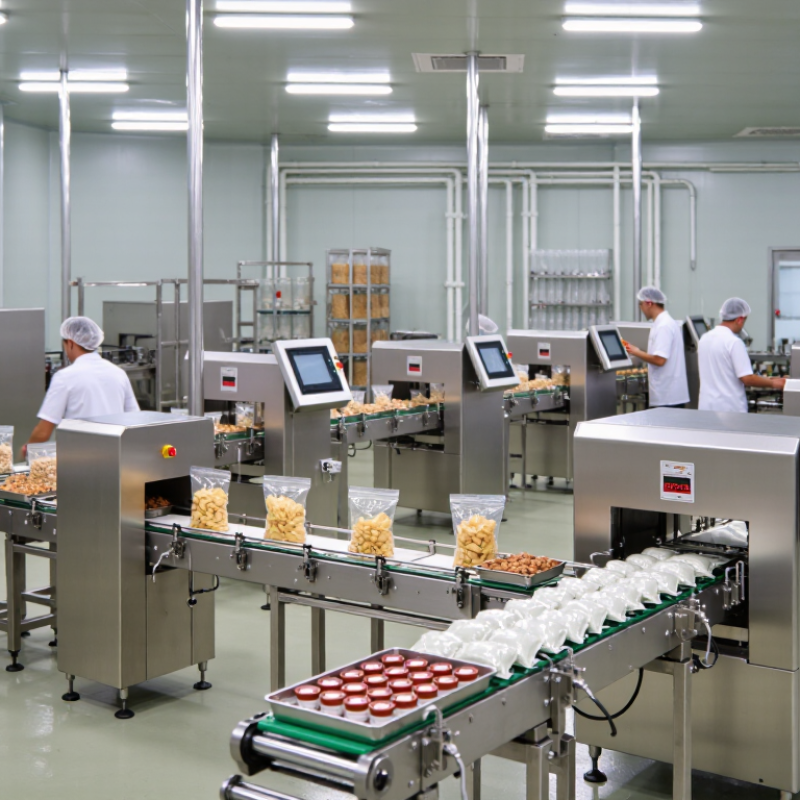
What Food Packaging Machine Manufacturers Produce
Food packaging machine manufacturers produce equipment for filling, wrapping, sealing, labeling, and preparing products for shipment. A pouch line may form a bag from film, dose in measured portions, then seal it. Other machines fill bottles or cups, seal trays, or wrap individual bars. The right setup depends on the food’s texture, portion size, and packaging material.
They also build supporting equipment, such as conveyors, checkweighers, date coders, and case packers. These machines can be connected into a production line, but compatibility matters. A conveyor that runs too quickly can leave gaps at the sealer. A sticky sauce may need different filling components from dry grains. Small details count.
Buyers should ask about changeover time, cleaning access, spare parts, and the machine’s tested output with their actual product. A published speed may reflect ideal conditions, not a shift with frequent size changes. Even a well-specified machine can disappoint. It is worth checking the sealing quality, fill accuracy, and film waste during a product trial. No setup is perfect; some packaging formats simply demand slower, more careful handling.
How to Define the Best Manufacturer in 2026
Defining the best food packaging machine manufacturer in 2026 starts with your actual production needs, not a polished brochure. A machine that runs quickly with one pouch film may struggle with another. Ask manufacturers to test your product and packaging materials on the proposed equipment. Watch the seals, check for damaged packages, and record output over a sustained run. Numbers matter. But one test is not enough.
Set clear criteria before comparing suppliers: usable speed, changeover time, cleaning access, operator training, spare-parts availability, and response times for technical support. Request a written test plan and confirm what counts as a successful run. If possible, speak with customers who operate similar products and shifts. Their experience may reveal practical details, such as how long format changes take on a busy Monday. Fit matters more. A supplier’s impressive average output may not match your line, staffing, or product mix. I would also leave room for doubt: early test results can look better than everyday production. Recheck assumptions with your own team before choosing.
Leading Manufacturers and Their Areas of Expertise
Food packaging machine manufacturers often specialize in different parts of the production line. Some focus on vertical form-fill-seal systems for snack bags and dry powders. Others build tray sealers for chilled meals or vacuum machines for products needing reduced air exposure. Their expertise shows in practical details: seal consistency, changeover time, and how reliably a machine handles uneven product sizes. Small details matter.
A manufacturer with strong engineering support may help match the machine to a product’s texture, package film, and target output. Ask for a trial using your actual product, not just an easy demonstration sample. Check how operators load film, clear jams, and clean contact surfaces. Review spare-part availability and response times, too. A high quoted speed can be misleading if frequent adjustments slow real production. No design is perfect; some machines trade flexibility for faster output, and that trade-off deserves an honest discussion.
Tips: Compare verified results, not brochure claims. Record seal quality, changeover time, and rejected packs during a product trial. Ask who handles installation and training. Then check whether the machine fits your floor space and existing line. A short test can reveal a lot.
How to Match a Manufacturer to Your Production Needs
Who Is the Best Food Packaging Machine Manufacturer in 2026?
How to Match a Manufacturer to Your Production Needs
The best manufacturer is the one whose equipment fits your product, line speed, and changeover routine—not just its brochure rating. PMMI’s 2024 State of the Industry report valued U.S. packaging machinery shipments at $10.4 billion in 2023. It forecast growth of 2.5% in 2024 and 3% in 2025. These figures indicate continued investment, but they cannot tell you whether a filler handles chunky sauce or a sealer works with your film. Test your own products.
Before comparing proposals, record actual conditions: packages per minute, product temperature, fill-weight range, floor space, washdown needs, and shifts per day. Request a factory acceptance test using your product and packaging materials. Watch changeovers, reject handling, and restarts after jams. Ask operators, not only sales staff. Spare-parts lead times and service coverage matter when a line stops overnight. A polished demonstration is not proof of reliable output. It can still mislead.
Tips: Share recent production data and a sample of your most difficult product. Request guaranteed throughput at an agreed quality level, with test methods and exclusions in writing. Check references from plants with similar products and batch sizes. Then ask whether the line speed matches your upstream process. That answer may be uncomfortable.