What is a Ball Valve and How Does it Work?
A Ball Valve is a common device in various industries, known for its reliability and efficiency. It controls fluid flow through a hollow, spherical ball that rotates around an axis. This simple yet effective design makes ball valves popular for both residential and industrial applications.
Understanding how a ball valve operates is crucial. The ball’s position determines whether the flow is on or off. When the valve is open, the hole in the ball aligns with the pipe, allowing fluid to pass. Conversely, when closed, the ball blocks flow completely, ensuring safety and control.
Despite its straightforward mechanism, users often overlook the importance of quality maintenance. A malfunctioning ball valve can lead to serious issues. Regular inspections are necessary to prevent leaks or blockages. Users must be aware of how their specific ball valves function, as this knowledge can influence performance and longevity. Understanding these details can empower users to make informed decisions regarding their fluid control systems.
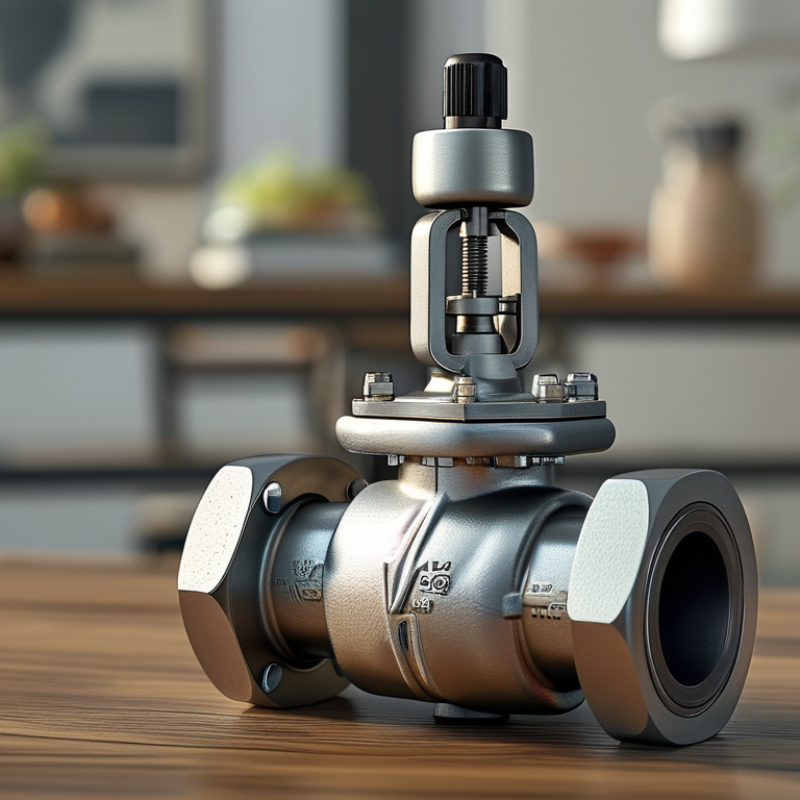
What is a Ball Valve?
A ball valve is a type of flow control device. It regulates fluid flow using a spherical obstruction known as a ball. The ball has a bore that aligns with the pipe when opened. This design allows for easy operation and effective sealing. Ball valves can be made from various materials, including brass, stainless steel, and plastic. Each material has its unique properties, suitable for different environments.
These valves are favored for their simplicity and reliability. They function well in high-pressure systems. The smooth surface of the ball helps reduce friction and wear over time. Installation is typically straightforward, but some nuances exist based on the fluid type and pressure conditions. It's crucial to understand these factors for optimal performance.
While ball valves are efficient, they do have limitations. For instance, they are not ideal for throttling applications. The quick on-off capability can lead to water hammer in certain scenarios. Users should consider these factors carefully. Regular maintenance is also essential to ensure their longevity and effectiveness.
Ball Valve Performance Characteristics
Components of a Ball Valve and Their Functions
A ball valve is a simple yet effective device used to control fluid flow. Its efficiency comes from its design, which includes a spherical ball with a bored hole. Understanding the components of a ball valve is crucial for its effective use.
The most important component is the ball itself. It rotates within the valve body to either open or close the flow. The sealing mechanisms, often made of rubber or PTFE, ensure no leaks occur. The stem connects to the ball and provides a means to rotate it. Together, these elements work seamlessly for reliable operation.
Tip: Always check for wear and tear on the seals. Damaged seals can lead to leaks, affecting overall functionality.
Another critical aspect is the valve body. It encloses all components and withstands the pressure of the flow. The handle is also vital; it's how operators control the ball. Some designs may include a locking mechanism for added safety.
Tip: Consider the environment when selecting materials. Different fluids can corrode or damage components. This awareness can prevent costly mistakes.
How a Ball Valve Operates Mechanically
A ball valve is a type of valve that controls fluid flow using a spherical disc, known as a ball. This design allows for quick opening and closing of the flow path. When the valve is open, the ball turns so that the hole is aligned with the flow direction. Conversely, when it closes, the ball rotates to block the flow.
Mechanically, a ball valve operates with a simple yet effective mechanism. A handle or actuator connected to the ball allows for smooth rotation. The ball is often made from durable materials like stainless steel or plastic. This ensures longevity and resistance to wear and corrosion. Seals around the ball prevent leaks, which enhances the reliability of the valve.
Despite its straightforward design, ball valves can present challenges. Installation must be precise; otherwise, the valve may not function properly. Misalignment can lead to wear, reducing its lifespan. Regular maintenance checks are crucial to ensure optimal performance. With careful attention, ball valves can efficiently manage fluid flow for various applications.
What is a Ball Valve and How Does it Work?
| Dimension | Description |
| Type | Quarter Turn Valve |
| Operation | Rotating Ball |
| Material | Brass, Stainless Steel, PVC |
| Sealing Type | Soft or Metal Seals |
| Applications | Water Supply, Oil & Gas, Chemical Processing |
| Advantages | Low pressure drop, Tight sealing, Quick operation |
| Disadvantages | Not suitable for throttling |
| Sizes Available | From 1/4 inch to 48 inches |
Applications of Ball Valves in Various Industries
Ball valves are critical components in numerous industries due to their simple design and reliable operation. They are widely used in oil and gas, water treatment, and chemical processing. The quarter-turn operation allows for quick valve closure or opening, making them efficient in systems where time and safety are paramount. For example, in oil and gas extraction, rapid shut-off is crucial to prevent spills.
In water treatment plants, ball valves help control flow rates and pressure. They enable operators to manage water without causing disruptions. Chemical industries benefit from these valves as well, as they can handle a variety of substances without leakage. However, it's essential to select the right materials to prevent corrosion and ensure longevity. Missteps in valve selection can lead to costly repairs or safety hazards.
Challenges remain in maintaining ball valves, especially under extreme pressure or temperature. Regular inspections are necessary to detect wear and prevent failures. Some may overlook this routine maintenance, which could lead to devastating consequences. Understanding the specific application requirements is vital. This knowledge ensures operational efficiency and safety in critical environments.
Advantages and Disadvantages of Using Ball Valves
Ball valves are commonly used in various industries due to their unique design and functionality. They can efficiently manage the flow of liquids and gases. One significant advantage of ball valves is their ability to provide a tight seal. This feature minimizes leaks and ensures a reliable shut-off. The simple quarter-turn operation makes them user-friendly.
However, not everything is perfect. Ball valves can be costly compared to other valve types. Their mechanism may require periodic maintenance to ensure optimal performance. Additionally, they are not always suitable for throttling applications. This limitation can restrict their versatility in some situations. Users must carefully consider their needs before choosing ball valves.
In summary, the decision to use ball valves should be based on specific applications. Weighing both advantages and disadvantages is essential. While ball valves excel in sealing and ease of use, the potential drawbacks warrant reflection. Choices should align with operational requirements and maintenance capabilities.