Why Is Automation Technology Essential for Global Procurement?
In today's global marketplace, automation technology has become a pivotal element in procurement strategies. It streamlines processes and enhances efficiency. Businesses face growing pressures to reduce costs and improve outcomes. Automation technology can play a vital role in achieving these goals.
Many organizations are still grappling with manual procurement processes. This can lead to delays and inaccuracies. Automation technology offers solutions, such as real-time analytics. These tools provide insights that help companies make informed decisions. Embracing this technology can, however, pose challenges that require careful evaluation.
The integration of automation technology is not without its pitfalls. Companies must consider their specific needs when implementing new systems. A one-size-fits-all approach often fails. Adopting automation requires commitment and a willingness to adapt. Firms that successfully navigate these challenges can gain significant advantages in the competitive landscape of global procurement.

The Role of Automation in Enhancing Procurement Efficiency
Automation technology is transforming global procurement processes. A recent study shows that organizations implementing automation in procurement report a 30% reduction in processing times. This means teams can focus more on strategic tasks instead of manual entry. Advanced technologies streamline workflows, ensuring that documents move swiftly through the necessary approvals.
Moreover, automation enhances data accuracy. According to the Procurement Leaders' Report, automated systems reduce errors by up to 50%. This accuracy in data handling is crucial for decision-making. However, the shift toward automation is not without challenges. Some employees may feel threatened by job displacement. It’s essential for organizations to address these concerns. Training programs can help equip workers with needed skills for the future.
While automation tools can enhance procurement efficiency, they introduce complexities. Integrating new systems with legacy ones may create friction in processes. Additionally, relying heavily on technology may lead to overdependence. Companies need a balanced approach, blending technology with human insight. Emphasizing ongoing evaluations and feedback can help navigate these challenges effectively.
Key Statistics Highlighting Automation's Impact on Cost Savings
Automation technology plays a crucial role in global procurement. Recent studies show that companies that adopt automation can achieve significant cost savings. For instance, automating invoice processing can reduce costs by up to 70%. This efficiency is not just theoretical; data indicates that automated systems can process documents much quicker than manual workflows.
Tips: Consider evaluating your current procurement processes. Identify areas prone to errors or delays. Automating these workflows can lead to noticeable improvements in speed and accuracy.
In addition to saving money, automation reduces human error. Statistics reveal that organizations witnessing a 50% decrease in mistakes report higher satisfaction among stakeholders. Satisfied stakeholders lead to improved relationships and better negotiation positions.
Tips: Regularly review the impact of your automated systems. Collect feedback from your team to identify potential tweaks. A small adjustment today can lead to sizable benefits tomorrow. Automation is not a “set it and forget it” process. Continual improvement is key for maximizing its impact.
Why Is Automation Technology Essential for Global Procurement? - Key Statistics Highlighting Automation's Impact on Cost Savings
| Statistic |
Impact Category |
Percentage |
| Reduction in Procurement Costs |
Cost Savings |
30% |
| Increase in Procurement Speed |
Efficiency |
50% |
| Enhancement in Supplier Management |
Supplier Relations |
40% |
| Decreased Errors in Orders |
Accuracy |
25% |
| Improvement in Compliance |
Risk Management |
35% |
How Automation Technology Facilitates Supplier Management and Selection
Automation technology plays a pivotal role in supplier management and selection. It streamlines processes, making them more efficient and less prone to error. With automated systems, procurement teams can quickly identify potential suppliers and evaluate their performance. This data-driven approach reduces the reliance on subjective judgment, which can lead to inconsistent choices.
Utilizing automation enables organizations to assess supplier capabilities more accurately. It allows easy access to critical data, such as pricing, delivery timelines, and compliance records. Being able to compare these metrics side by side enhances decision-making. However, over-reliance on technology may overshadow the importance of personal relationships in supplier selection. Trust and communication should not be neglected in the quest for efficiency.
Moreover, automated tools can highlight issues in supplier performance. They can flag trends that require attention and prompt timely interventions. Yet, these technologies may generate overwhelming amounts of data. Companies must remember to prioritize actionable insights over mere statistics. Balancing automation with human expertise is essential for effective supplier management.
The Importance of Data Analytics in Automated Procurement Processes
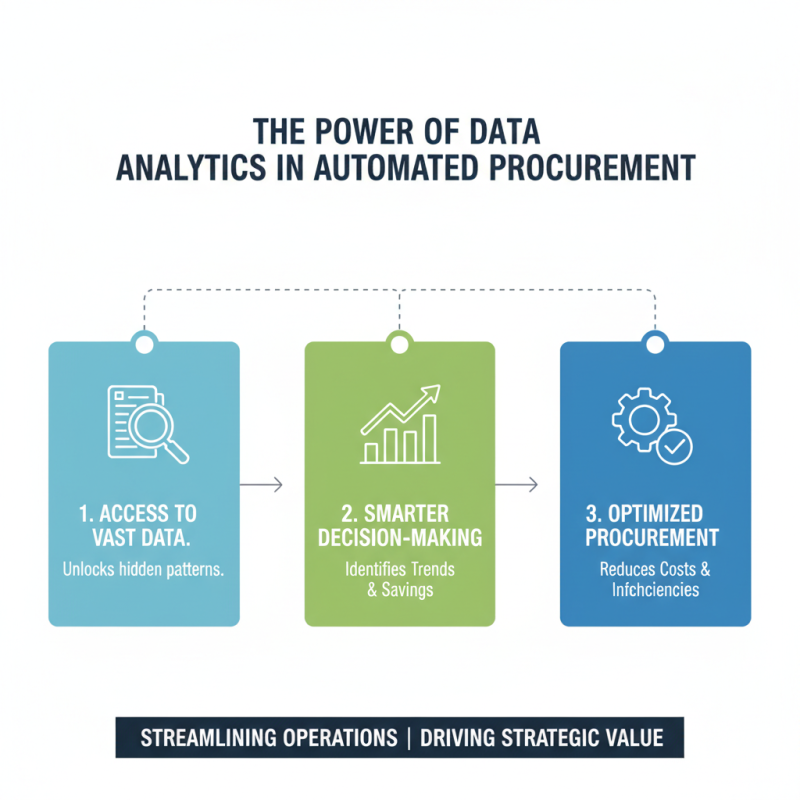
Data analytics plays a crucial role in automated procurement processes. With access to vast amounts of information, organizations can make better decisions. Effective data analysis identifies trends, supplier performance, and cost-saving opportunities. These insights help streamline procurement tasks and reduce operational inefficiencies.
Machine learning algorithms can predict future needs based on historical data. This predictive capability enables companies to stock up on essential supplies. However, relying on past data can be misleading. Changes in market conditions might render previous patterns obsolete. Balancing historical insights with real-time data is vital for success.
Furthermore, automation systems must adapt to evolving circumstances. The integration of data analytics should focus on user experience. Misinterpretation of data could lead to suboptimal outcomes. Organizations must continuously refine their data strategies, ensuring they remain robust against changing dynamics. The goal is not just automation but creating a responsive procurement process that thrives on accurate insights.
Future Trends in Automation Technology for Global Procurement Strategies
Automation technology is reshaping global procurement strategies. As businesses adapt, trends are evolving rapidly. One significant trend is the incorporation of artificial intelligence. AI can analyze vast amounts of data. It identifies patterns and predicts purchasing behaviors. This leads to smarter decision-making.
Another crucial trend is the use of robotic process automation (RPA). RPA streamlines repetitive tasks. It enhances efficiency and reduces errors in processes such as order management. Organizations can reallocate resources to strategic activities. This shift allows teams to focus on core tasks, driving innovation and growth.
Here are some tips for adapting to these trends:
- Invest in training for your team on new technologies. Understanding automation tools is vital.
- Evaluate your current processes to identify areas for automation. Not all tasks are suitable for automation.
As automation continues to advance, procurement strategies must evolve. While implementation may face challenges, the potential benefits are substantial.
Constant reflection on technology's role is essential for sustained success.